Ecuadorian Toquilla Straw Hat Weaving
UNESCO documents the knowledge and techniques behind the hat often called a Panama hat.
Open the UNESCO record ↗The short story
More than
a name.
The object is widely known as a Panama hat, yet its weaving story begins in Ecuador. The UNESCO record corrects that familiar geographical detour and brings the maker and technique back into view. From there, a shopper can ask better questions about origin, weave and workmanship instead of relying on a famous commercial name alone.
Why it is here
A useful starting point,
not a verdict.
Correct origin creates better questions about weave, maker and the commercial use of the name.
This listing is informational. It is not an endorsement, certification, ranking or guarantee. Independently confirm identity, credentials, licences, safety information, price, availability, terms and current operating status before acting.
The researched view
Then, now and
what can be verified next.
This section follows the named sources. If a future direction is not published by the source, it is not added here.
The famous hat begins in Ecuador
UNESCO inscribed the traditional weaving of the Ecuadorian toquilla straw hat in 2012. The record places cultivation, fibre preparation and weaving in Ecuador, correcting the commercial shorthand that often calls the object a Panama hat.
The fineness begins before the brim
The official heritage account follows a process from preparing fibres of the toquilla palm to hand weaving and finishing. Place, material and skill are therefore part of the object—not optional decoration around it.
Buy with the geography restored
Ask the seller to identify the Ecuadorian maker or weaving community, the fineness and weave, and where finishing occurred. UNESCO recognition explains the tradition; it does not authenticate a particular hat.
Questions worth carrying
Take these to
the source.
- 01
Use the heritage record for cultural context, terminology and safeguarding information.
- 02
Do not treat recognition of a tradition as verification of an individual seller or product.
- 03
Ask a commercial seller about maker identity, origin, materials, process and benefit to practitioners.
Before you act
Use the listing
with context.
These checks are adapted to this kind of entry. The official source remains the place to confirm current details.
- 01
Use the heritage record for cultural context, terminology and safeguarding information.
- 02
Do not treat recognition of a tradition as verification of an individual seller or product.
- 03
Ask a commercial seller about maker identity, origin, materials, process and benefit to practitioners.
Controlling source
Continue with
the official record.
Pass the intriguing part forward—then let the sourced profile do the explaining.
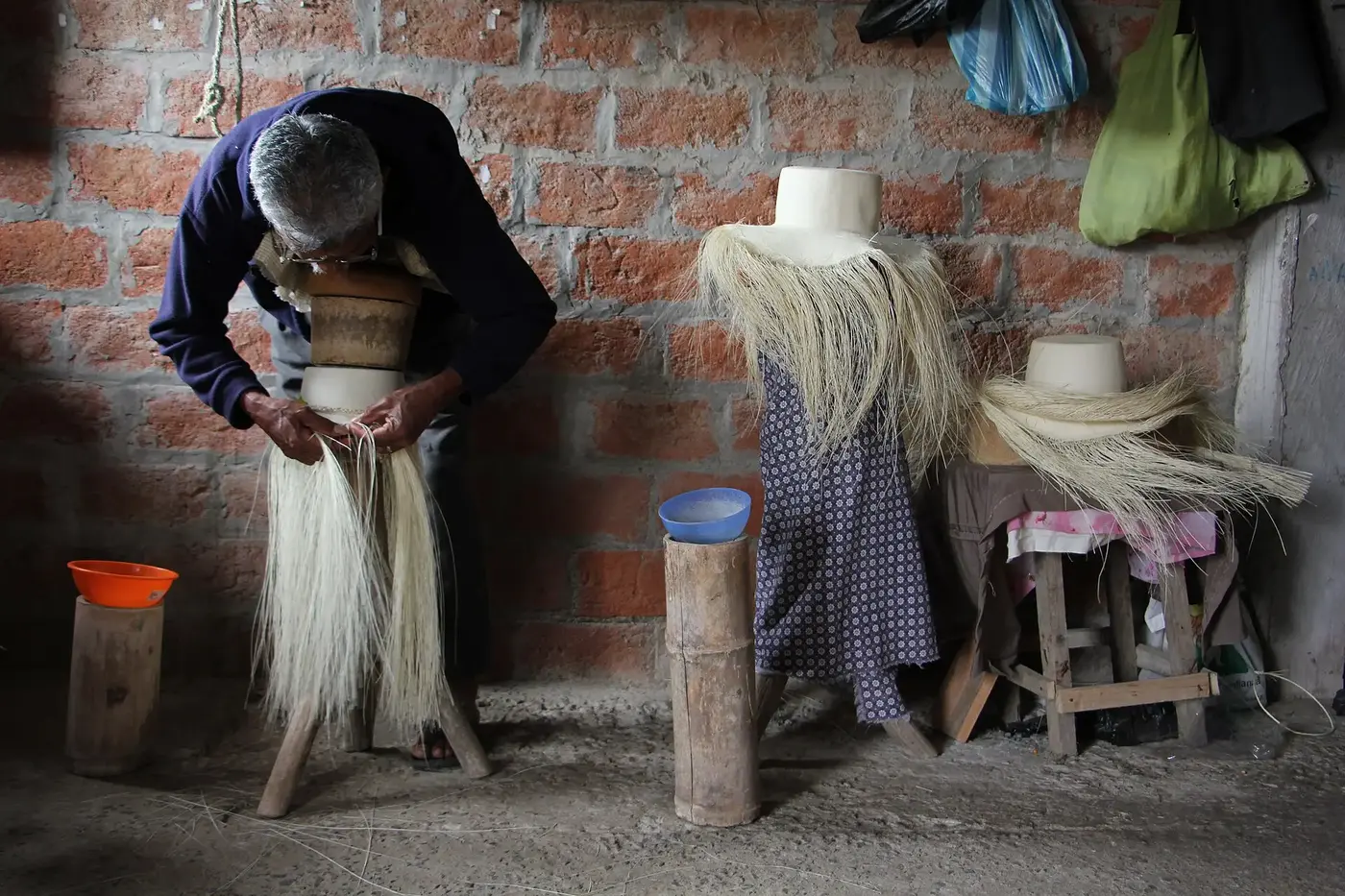
The ‘Panama’ hat has been carrying the wrong country in its popular name.
Image: hatsfromtheheart.ec · CC BY-SA 4.0 · cropped, colour-adjusted and overlaid by Eightjune.com.
Ready to share
Made for personal and editorial sharing with Eight June attribution. Card copy is shortened; the listing and its named sources carry the full context.
Submit, claim or correct
Bring a useful name
into the blue.
Suggest a new listing, identify your relationship to an existing one, or send a correction. Every submission is reviewed before publication.
Payment cannot buy verification. Commercial relationships are labelled wherever they apply.