Ask Blue
Begin with why.
Leave with something useful.
Six ways to explore an ocean-shaped world: its meaning, movement, people, places, timing and the way it can become part of your life.
WHY · WHAT · WHO · WHERE · WHEN · HOWSix ways to discover
Choose what you
want to explore.
The first collection
Articles worth
exploring.
Every story shows its sources, review date, commercial relationship and a simple way to report a mistake or request an improvement.
Explore by EJ world
Showing 1–9 of 3 stories
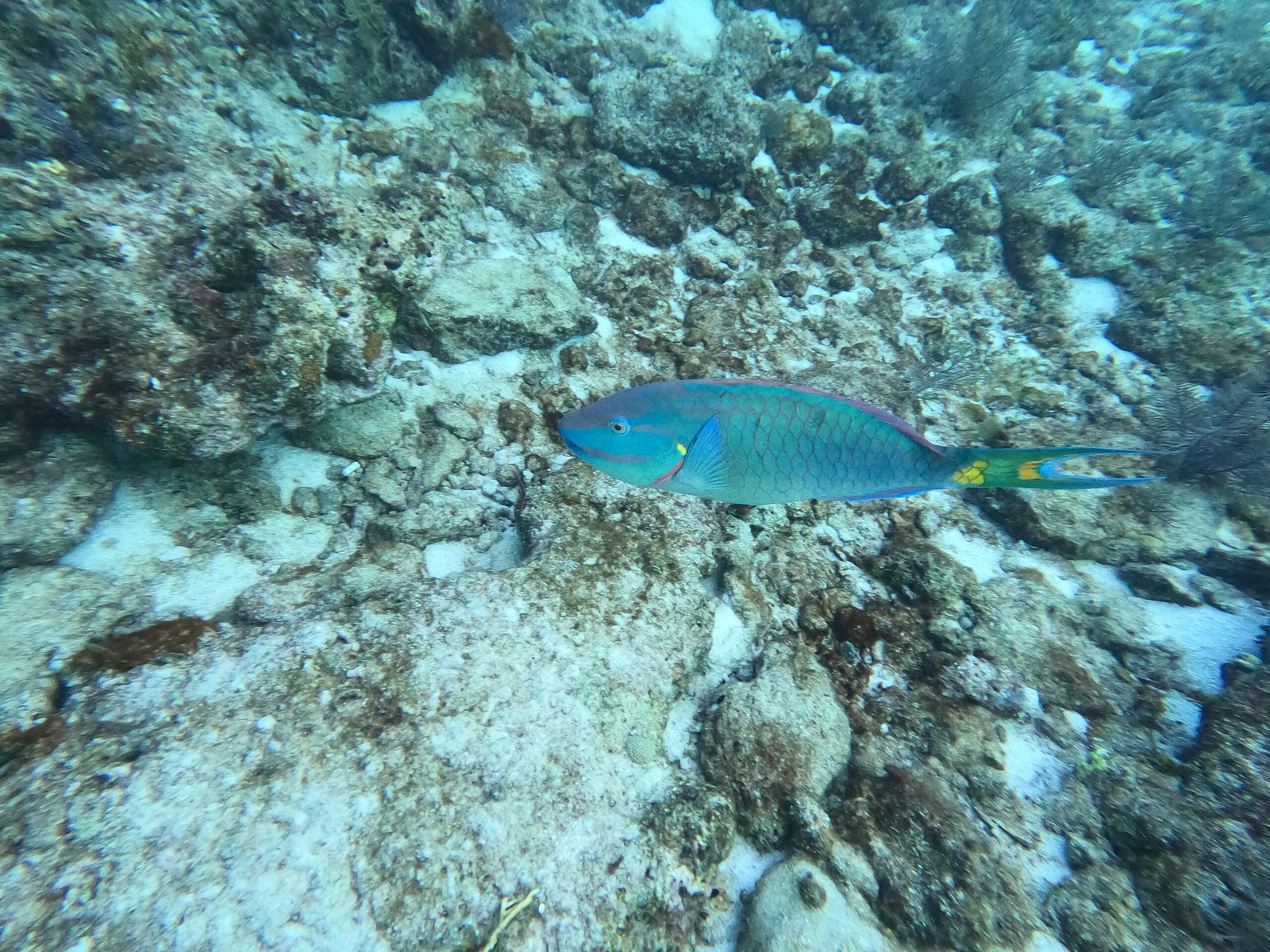
Why do parrotfish matter to coral reefs?
Parrotfish help shape coral reefs by grazing algae, scraping reef surfaces and returning some ground calcium carbonate to the reef as sediment.
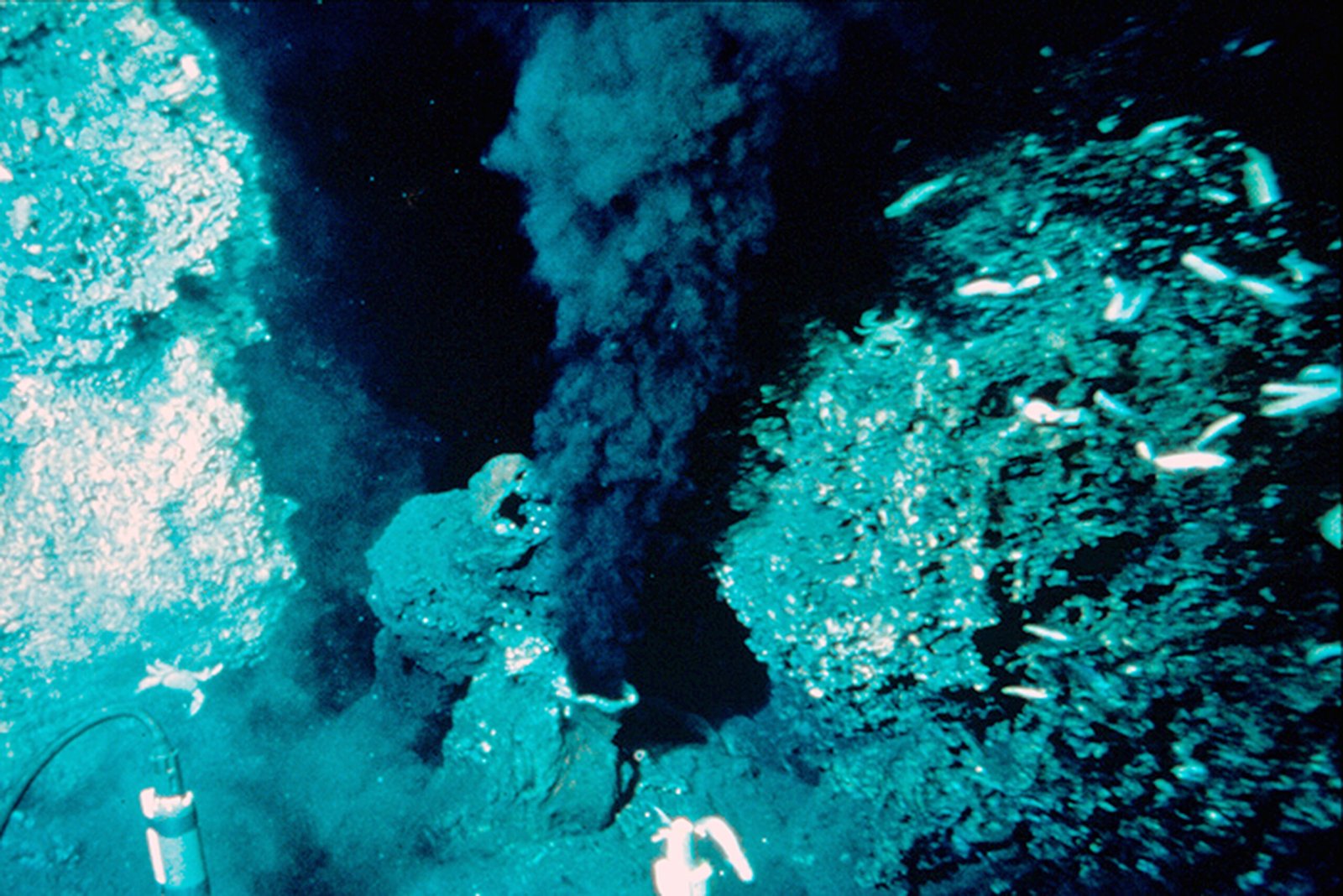
How can deep-sea life thrive around hydrothermal vents without sunlight?
Hydrothermal-vent communities can build food webs from chemical energy rather than sunlight, with chemosynthetic microbes turning vent chemicals into organic matter.
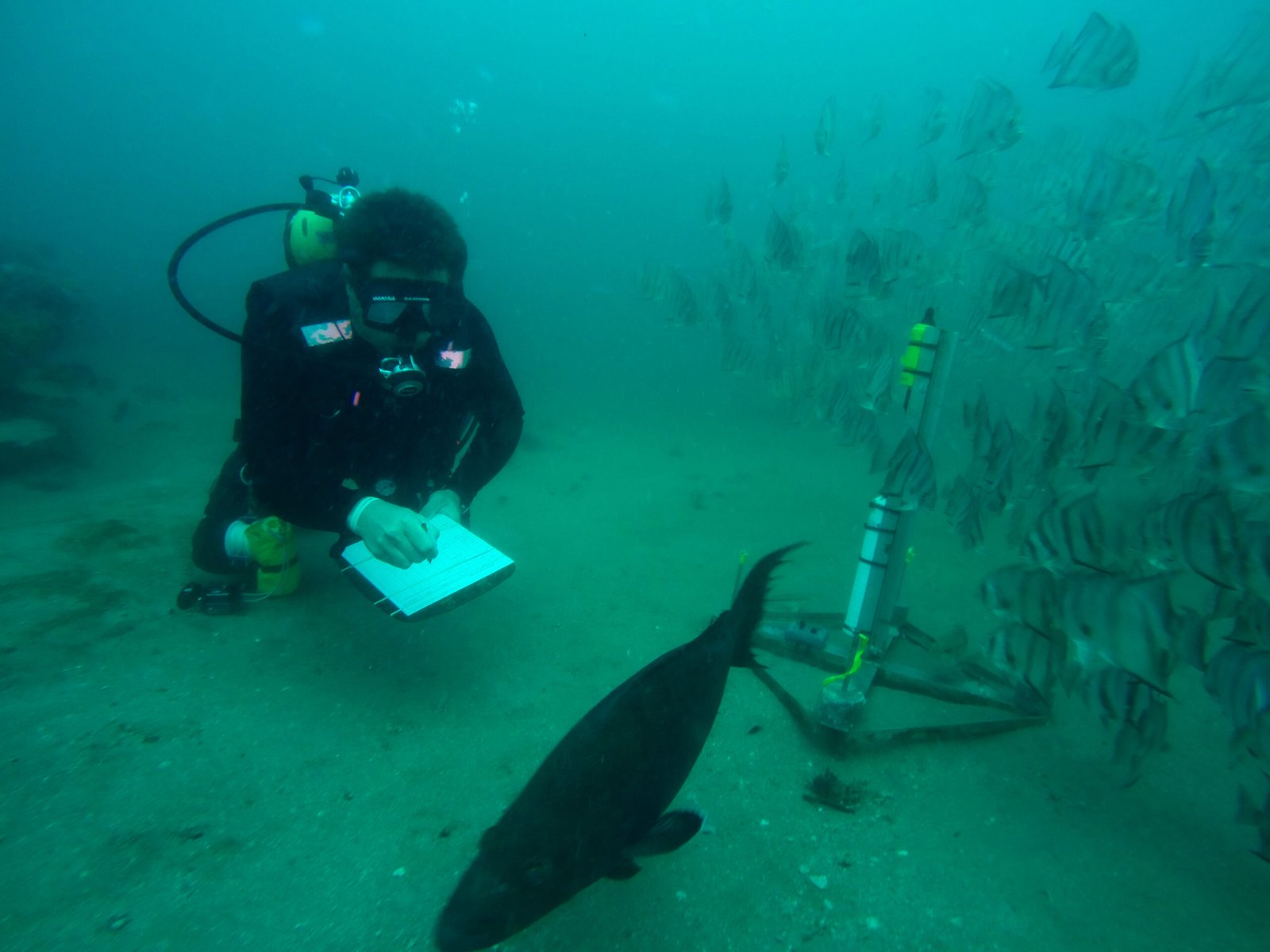
Why can sound travel so far through the ocean?
A deep-ocean sound channel can trap low-frequency sound so that it travels hundreds or even thousands of miles through seawater.
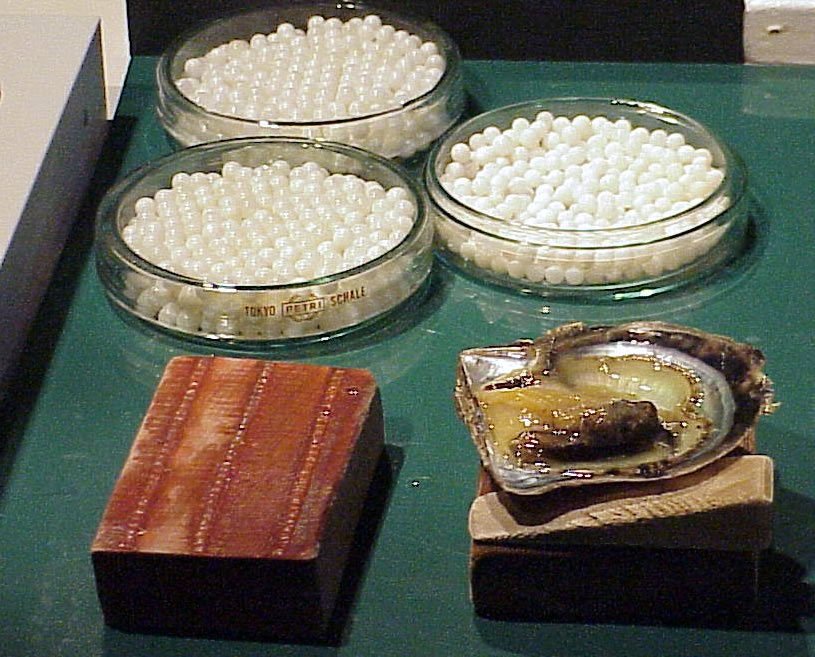
How to read and verify a GIA pearl report
Identify the exact GIA pearl report, check its scope and verify the report number before using it as one part of a buying decision.
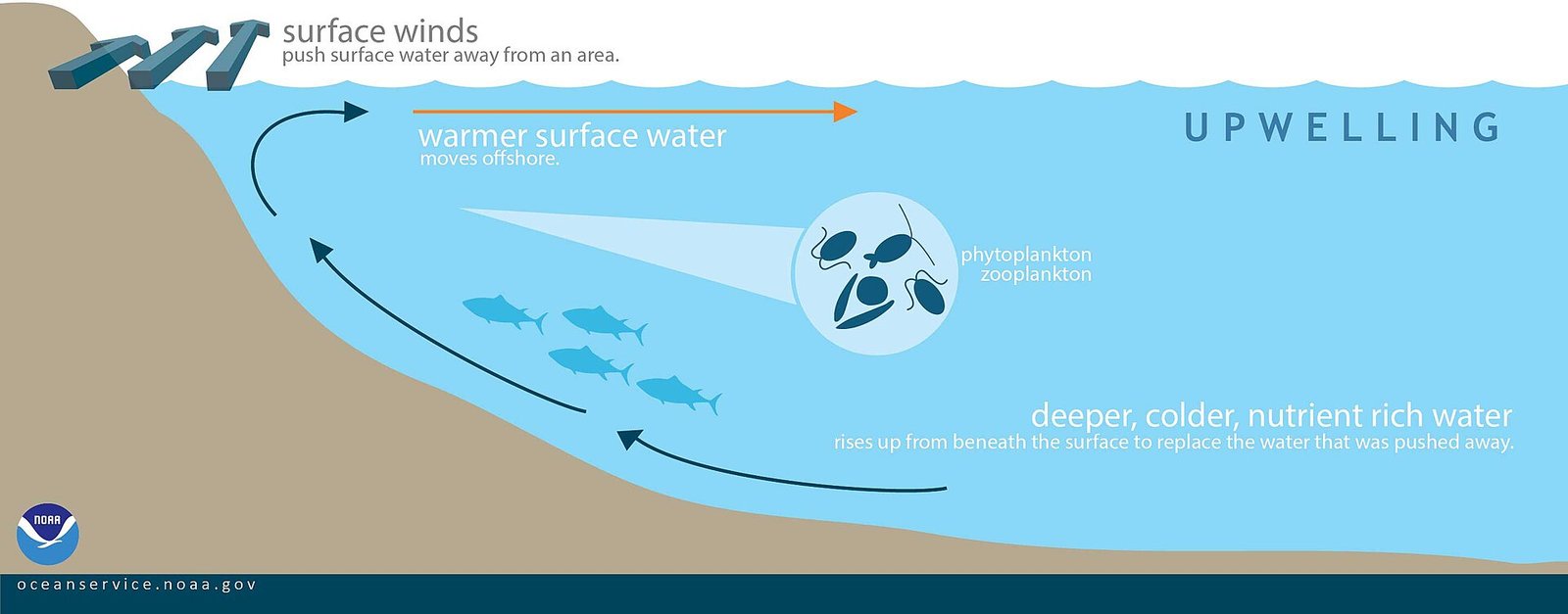
Why can cold, nutrient-rich water suddenly rise near a coast?
Coastal upwelling happens when winds move surface water offshore and deeper, colder, nutrient-rich water rises to replace it.
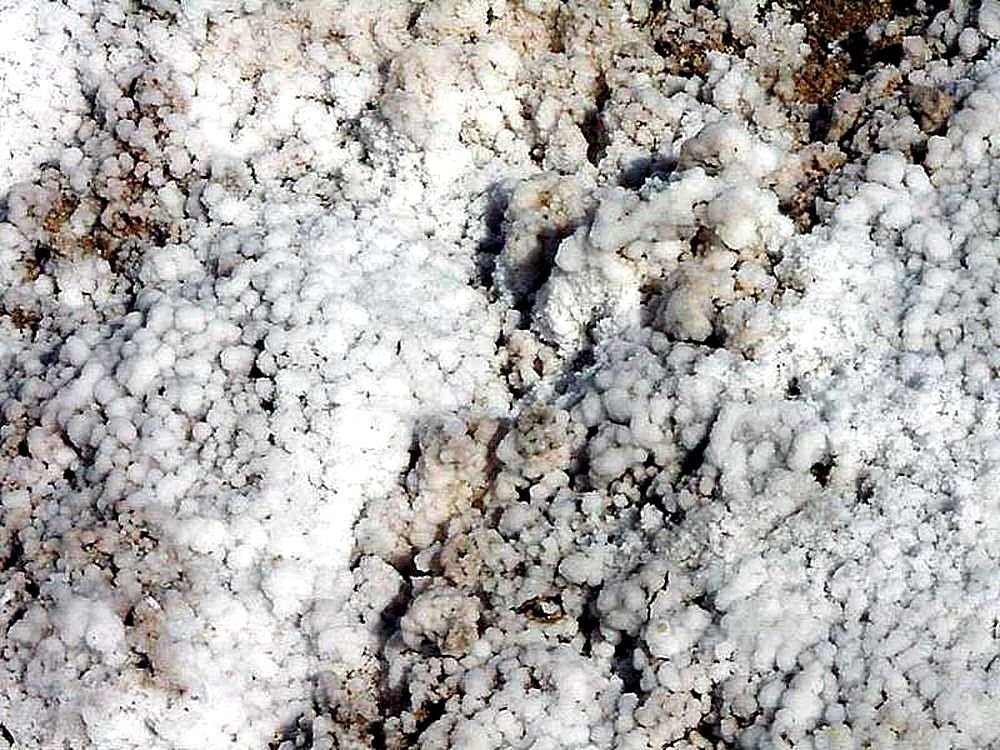
Why is the ocean salty?
Ocean salt comes mainly from minerals released from rocks on land and from chemical inputs at the seafloor, while long-term removal processes keep the modern ocean from simply becoming saltier without limit.
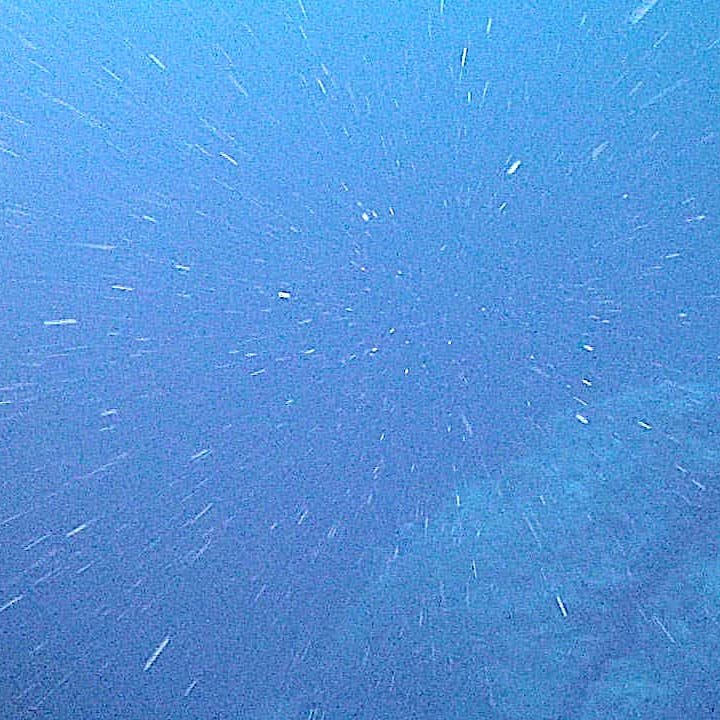
Why does ‘marine snow’ fall through the deep ocean?
Marine snow is a continuous shower of mostly organic particles sinking from surface waters, carrying food and carbon toward the deep ocean.
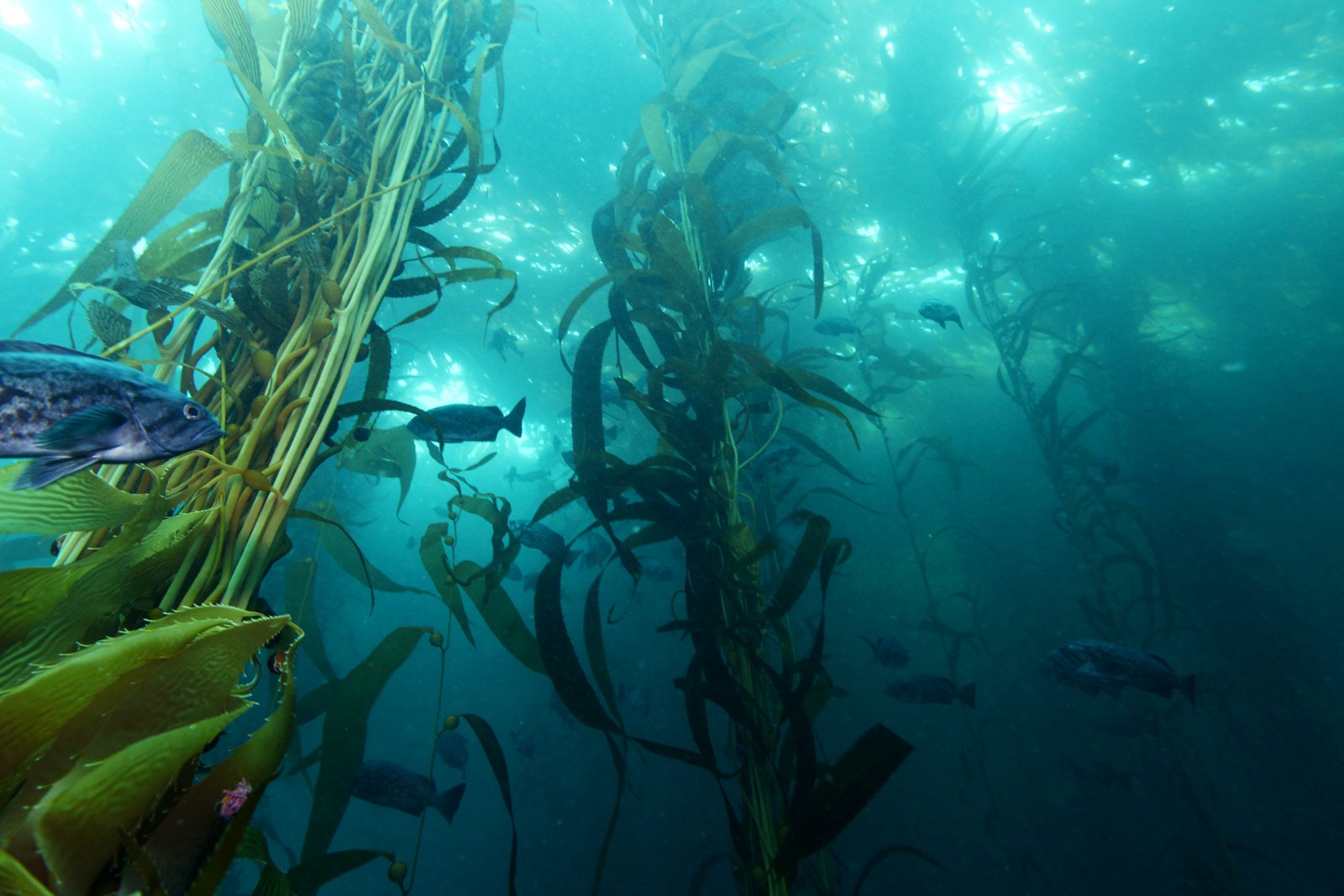
Why do kelp forests form underwater canopies?
Kelp are large brown algae that anchor to rocky seafloors and grow upward through cool, nutrient-rich coastal water, creating layered marine habitat from the bottom to the surface.
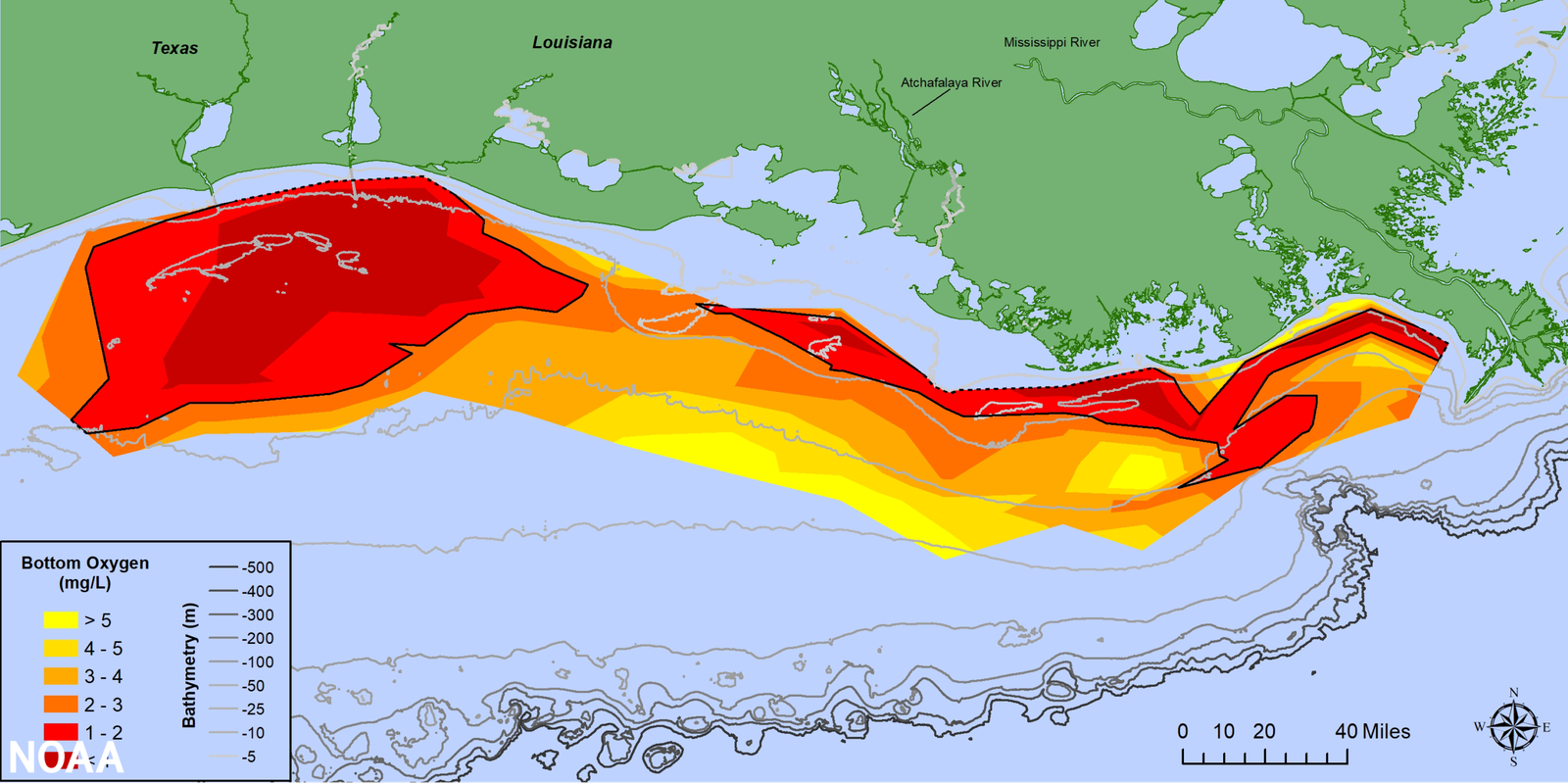
Why can coastal water run out of oxygen?
Coastal hypoxia develops when dissolved oxygen falls too low to support many animals, often after nutrient-fuelled algal growth, decomposition and restricted mixing combine.
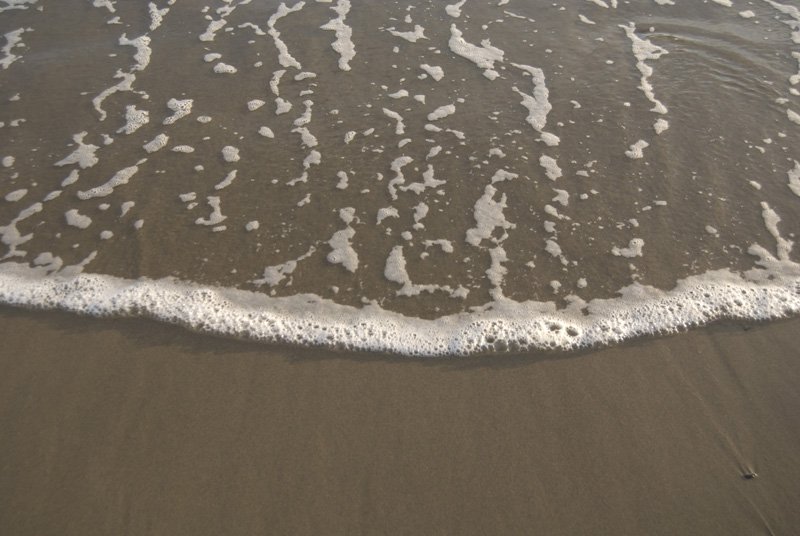
Why do ocean waves break as they reach the shore?
As wind-driven waves enter shallow coastal water, interaction with the seabed slows and steepens them until they become unstable and break.
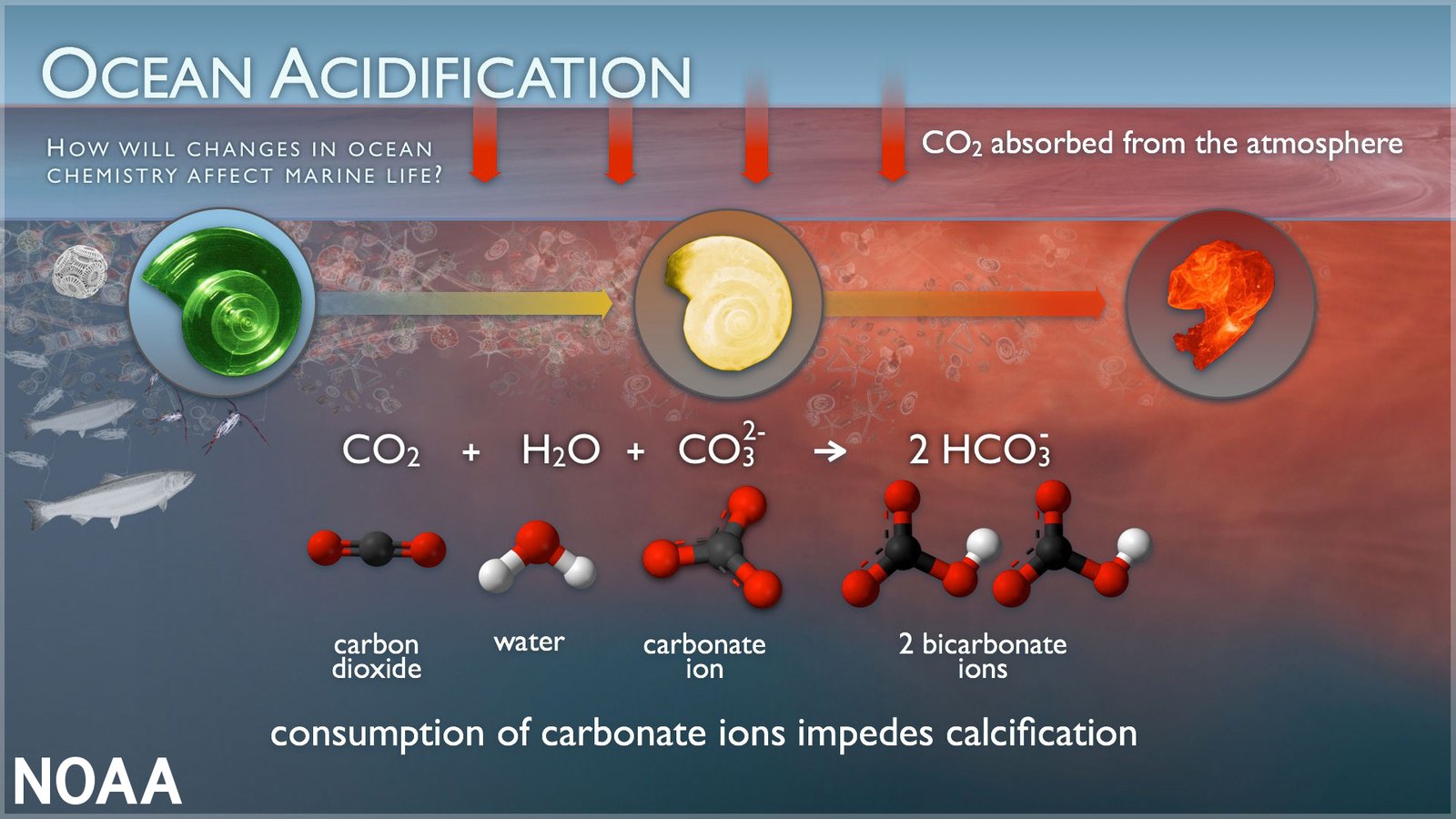
Why does absorbing carbon dioxide change ocean chemistry?
Ocean acidification begins when seawater absorbs atmospheric carbon dioxide, increasing hydrogen ions, lowering pH and reducing the carbonate ions used by many shell- and skeleton-building organisms.
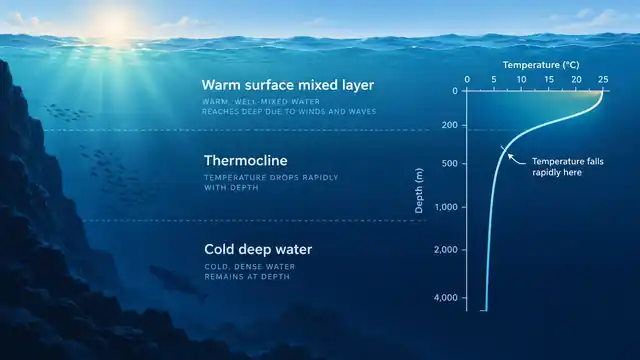
Why can ocean water turn sharply colder as you descend?
A thermocline is the transition layer between warmer mixed surface water and cooler deep water, where temperature can fall rapidly with depth.
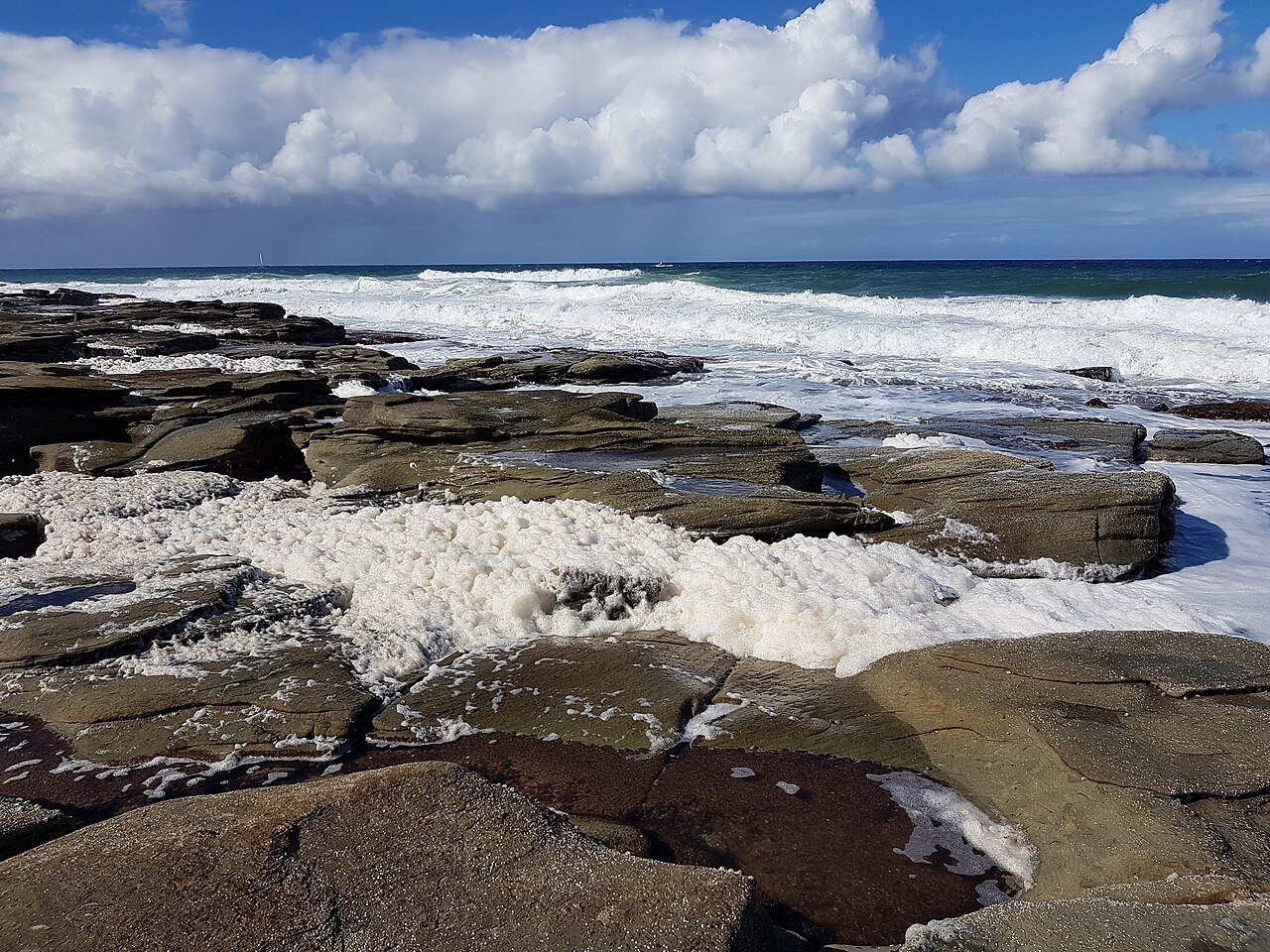
Why does sea foam gather along some beaches?
Sea foam forms when wind and waves churn seawater containing dissolved organic matter, creating bubbles that can persist when natural surfactants stabilize them.
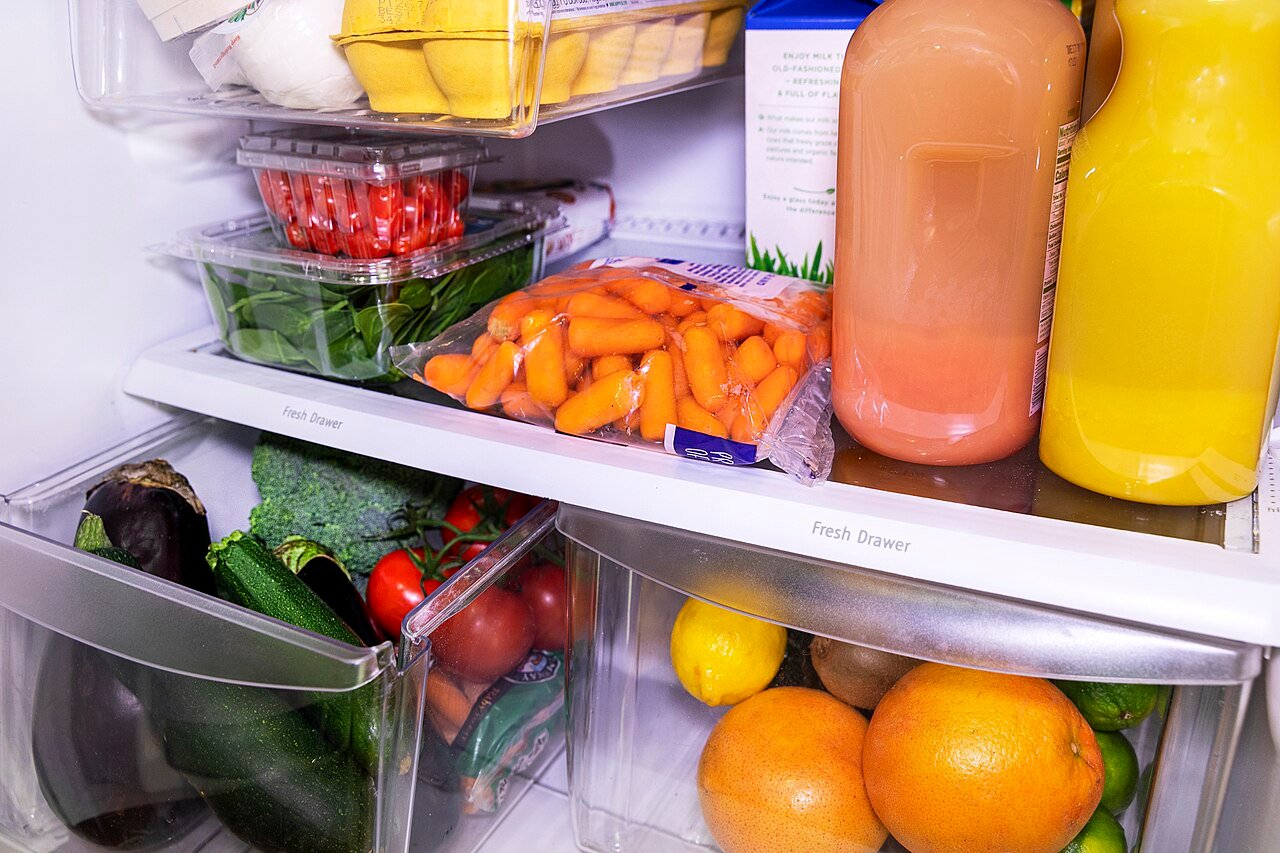
How can you waste less food at home without making meal planning complicated?
Start with what you already have, plan the meals you expect to eat at home, buy realistic quantities and freeze surplus before it is forgotten.

How can you enjoy a dark night sky without adding to light pollution?
A good night-sky visit starts with darkness: use less artificial light, shield what you need, choose warmer light and protect your own night vision.
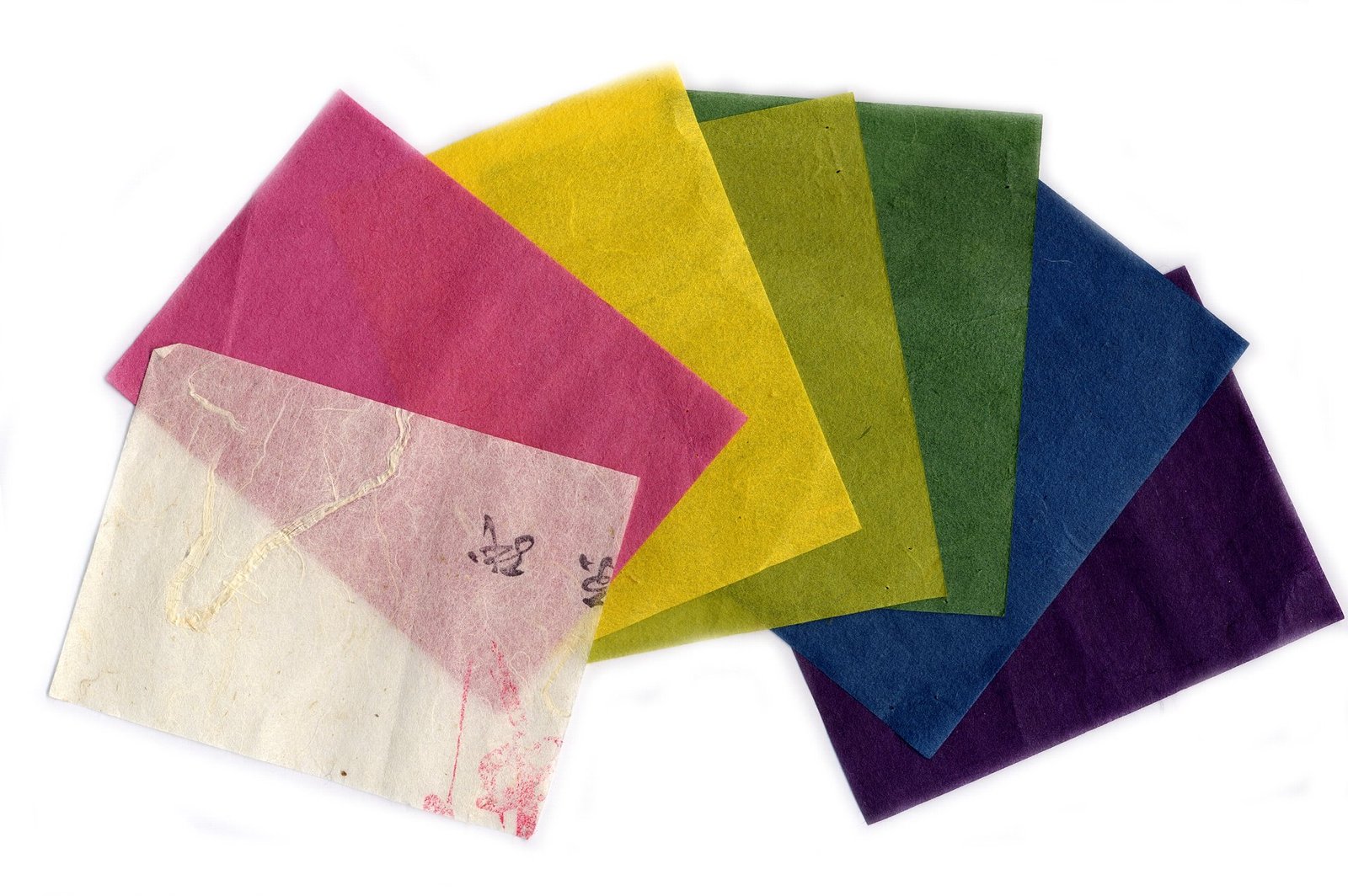
What does UNESCO recognition of washi actually cover?
UNESCO recognition is about living hand-made papermaking knowledge and the communities that transmit it—not a blanket certification for every product sold as washi.
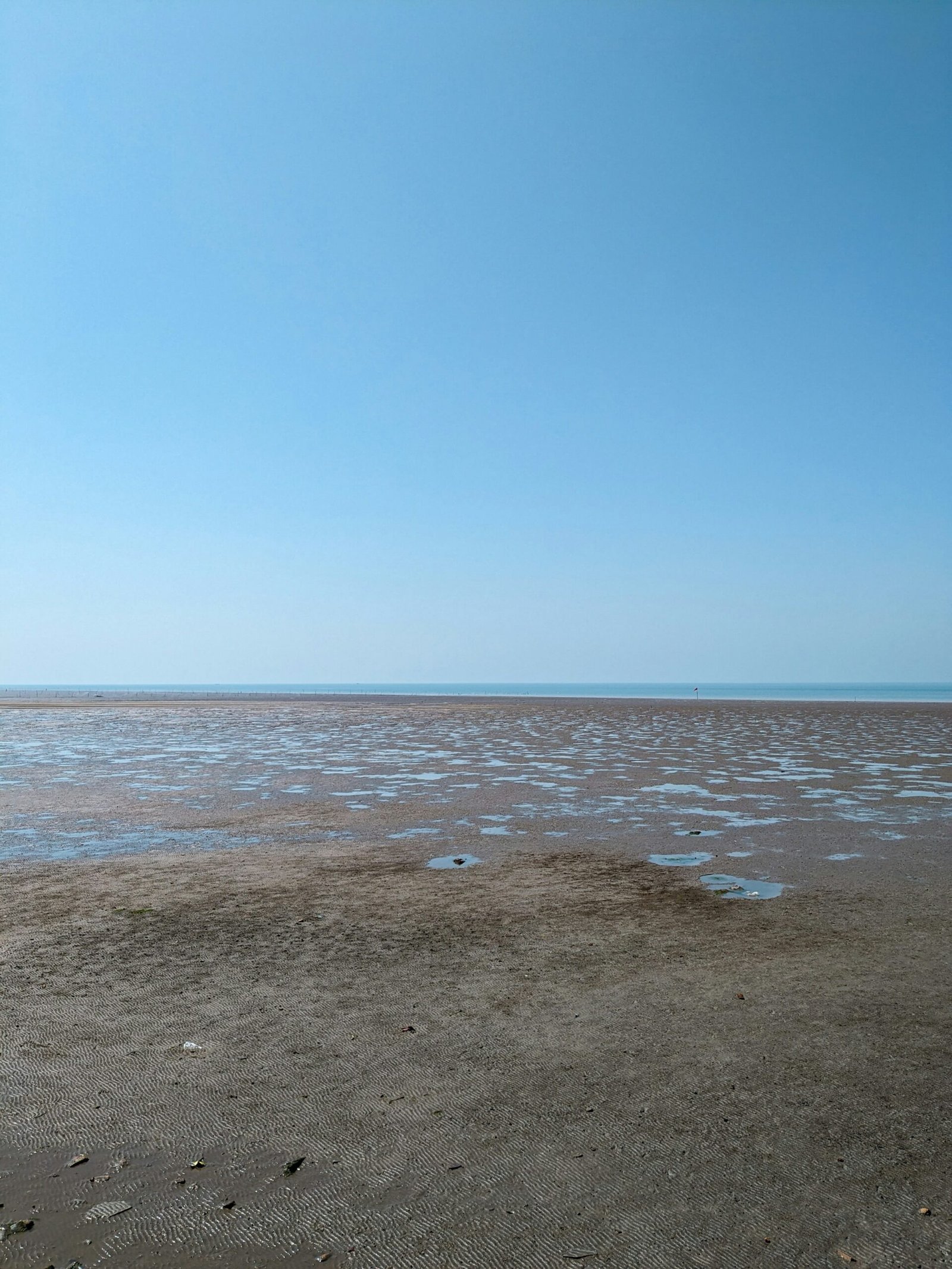
How to read a tide table without treating the prediction as a promise
A tide table tells you when and how high or low the predicted tide is at a named station and reference datum. Read the station, time zone, units and datum first, then separate that prediction from the water level you will actually encounter.
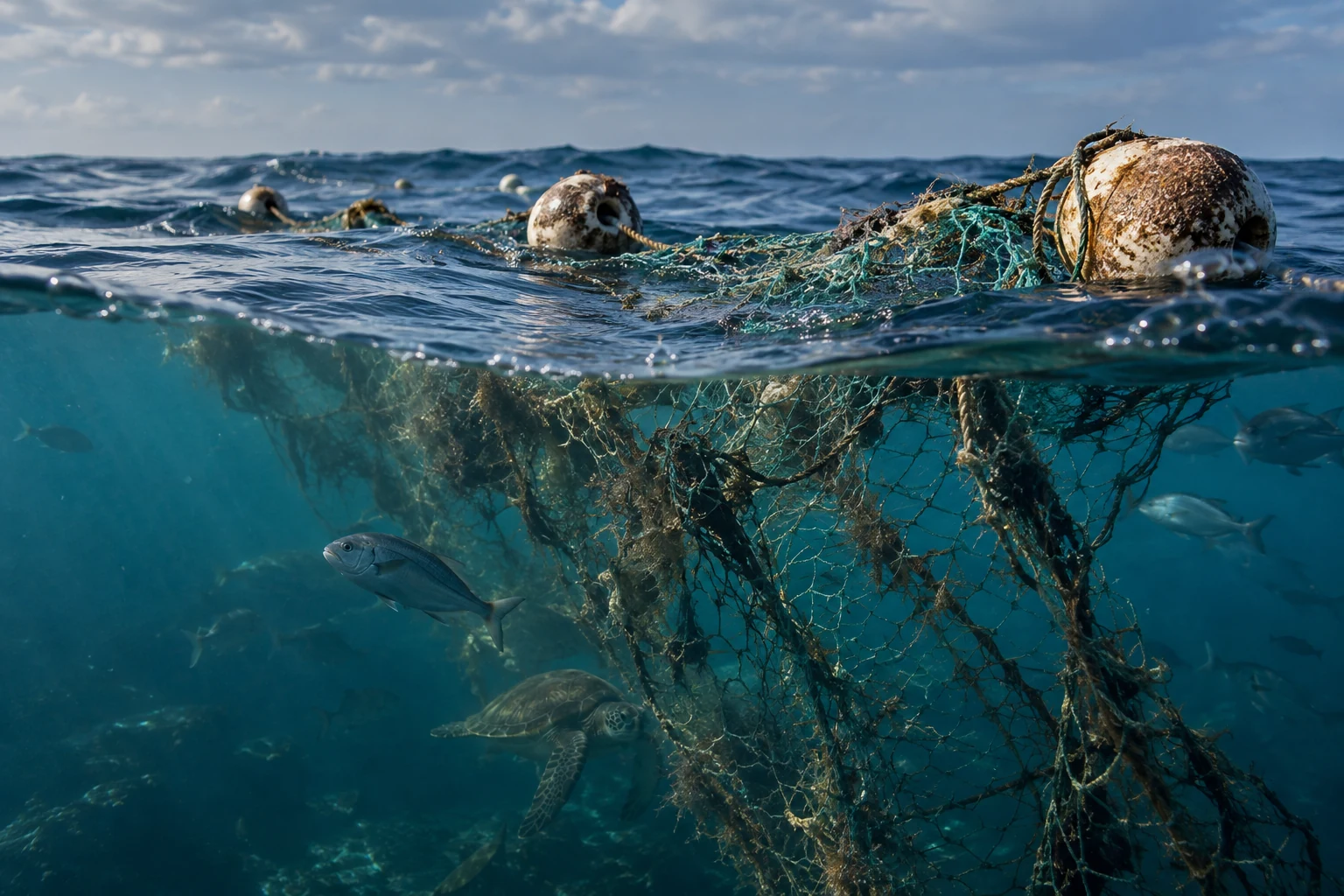
Why can lost fishing gear keep fishing after nobody owns the catch?
Abandoned, lost or otherwise discarded fishing gear can continue trapping and entangling marine life after it has left a working fishery. FAO calls this continuing capture ‘ghost fishing’; marking, reporting and retrieval are part of the response.
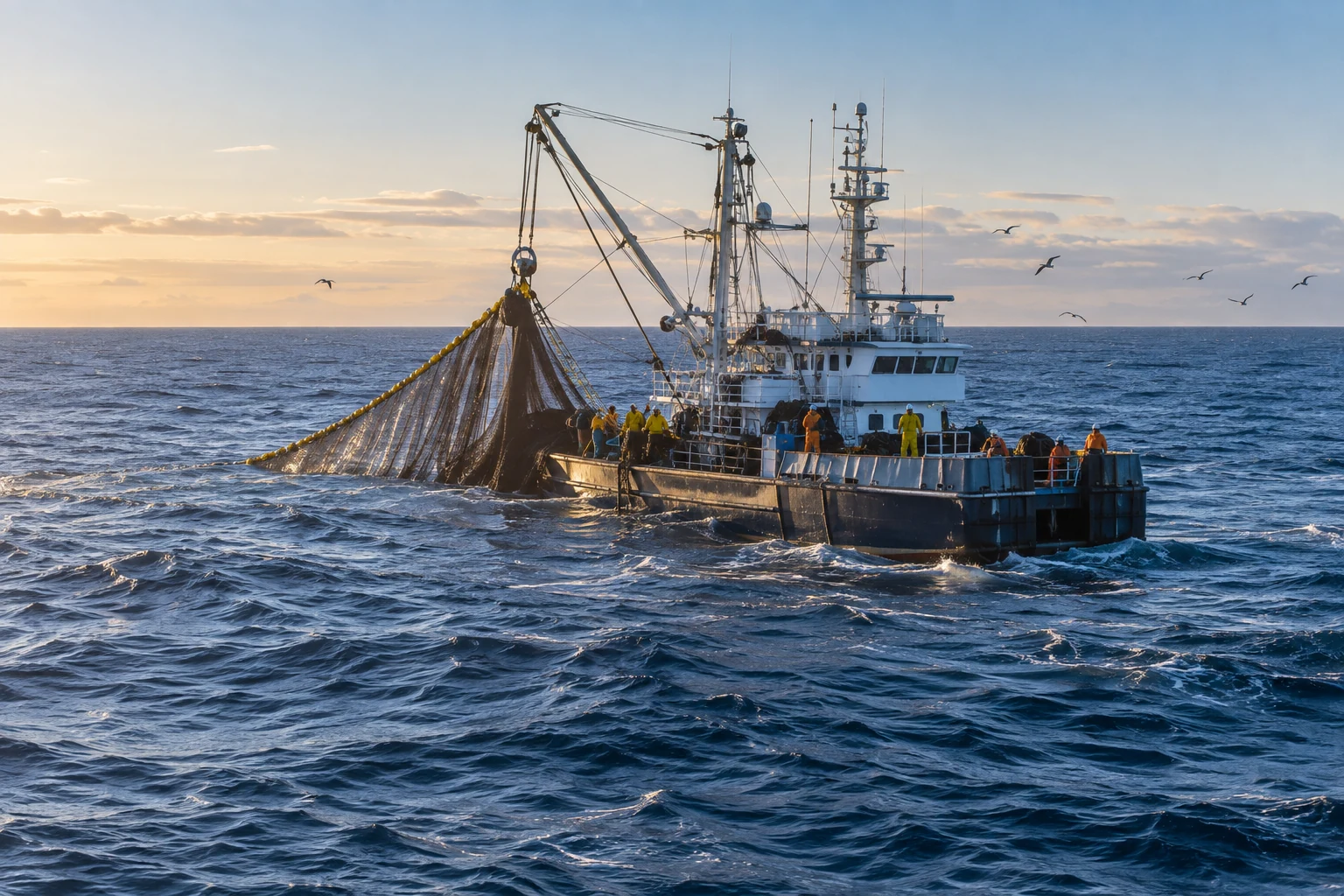
Who actually sets the rules for tuna fisheries across oceans?
Tuna cross national boundaries, so no single global regulator sets every rule. Five tuna regional fisheries management organisations coordinate major international fisheries, while coastal, flag and port states still apply their own legal responsibilities.
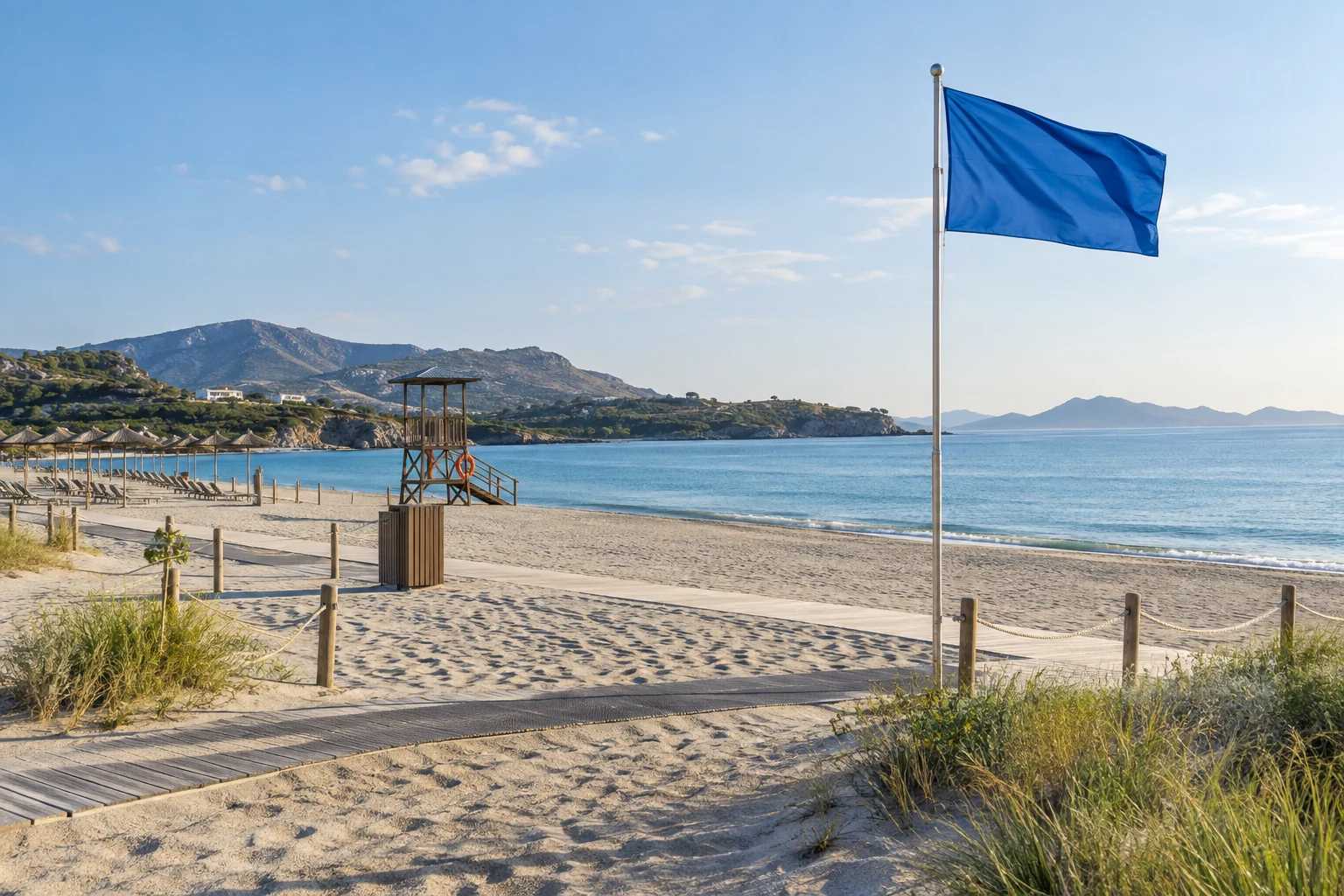
What does a Blue Flag beach award actually mean?
A Blue Flag is a voluntary sustainability award for qualifying beaches, marinas and tourism boats. For beaches, it signals compliance with programme requirements spanning water quality, environmental management, education, safety, services and accessibility—but it is not a promise that every condition will be perfect on every visit.
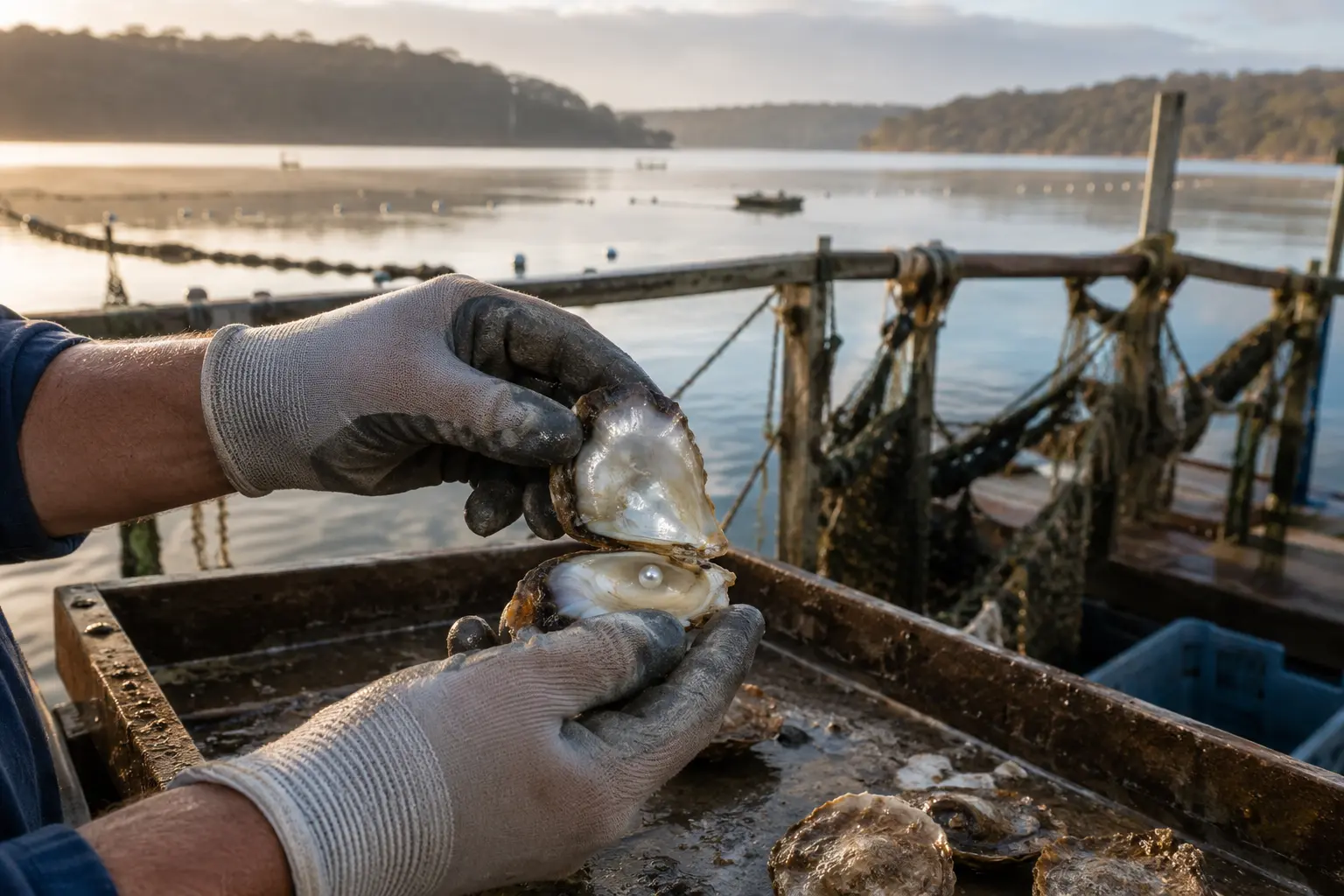
What makes Australia’s east-coast Akoya pearls distinct
The story of Akoya cultured pearls is not confined to Japan and China. GIA documented a native New South Wales oyster, a sheltered farm system in eastern Australia and a locally developed cultivation record that should be read precisely rather than turned into a blanket quality claim.
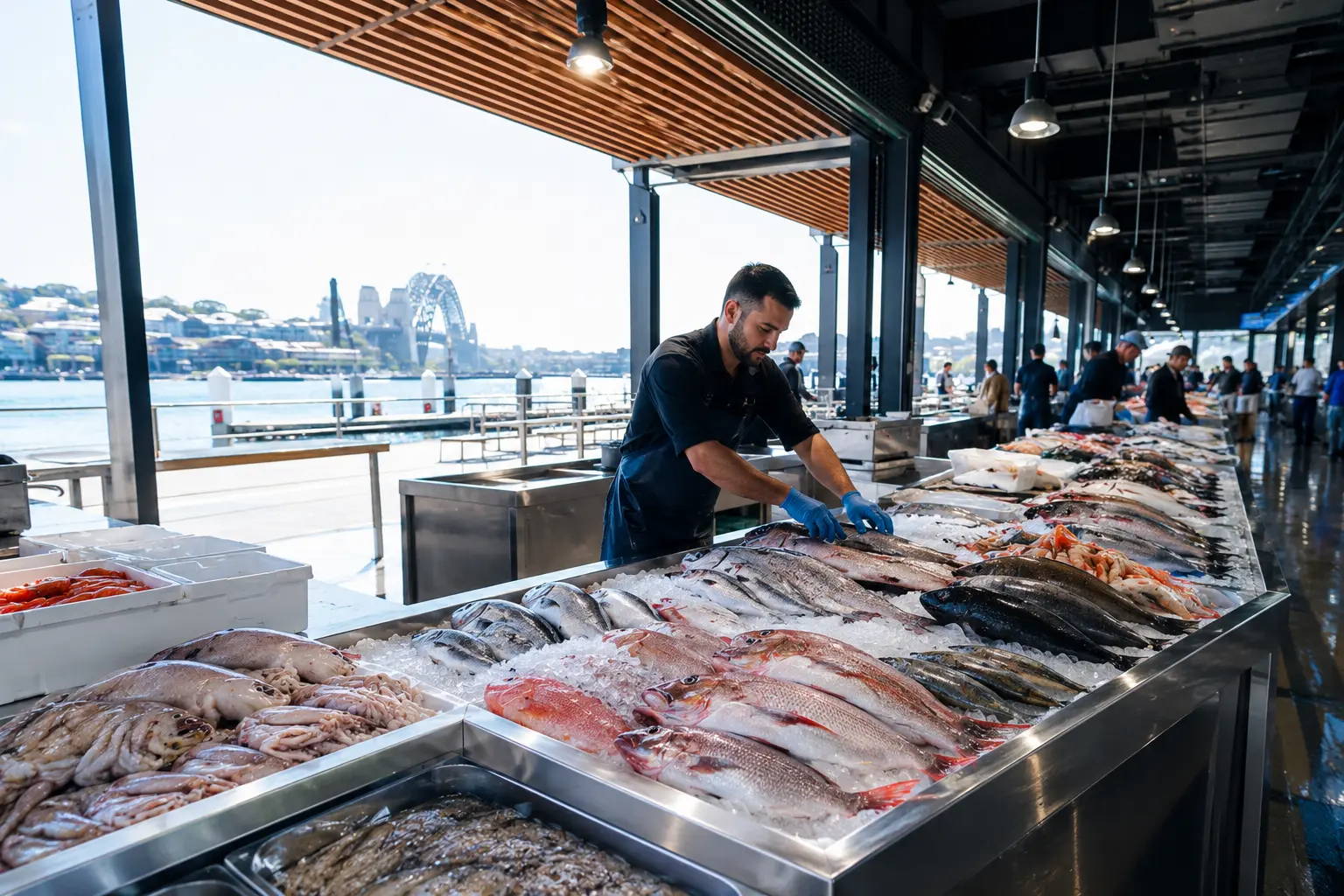
What makes Sydney Fish Market a working market—not merely a food hall
The new Sydney Fish Market combines public dining and retail with wharves, wholesale trade, auction facilities, ice-making, crate washing and seafood education. The working supply chain is part of the visitor story—not scenery behind it.

Why seagrass matters to fisheries, storms and blue carbon
Seagrass is a flowering marine plant, not seaweed. UNEP says meadows occur in 159 countries, support fisheries, protect coasts and store substantial oceanic carbon.

How to use EC3 without treating every EPD as directly comparable
EC3 makes Environmental Product Declaration data searchable and useful for embodied-carbon decisions, but its own 2026 data account explains why EPD structures and indicators can differ. Comparison needs aligned product category, functional unit, life-cycle scope, geography and indicator definitions.
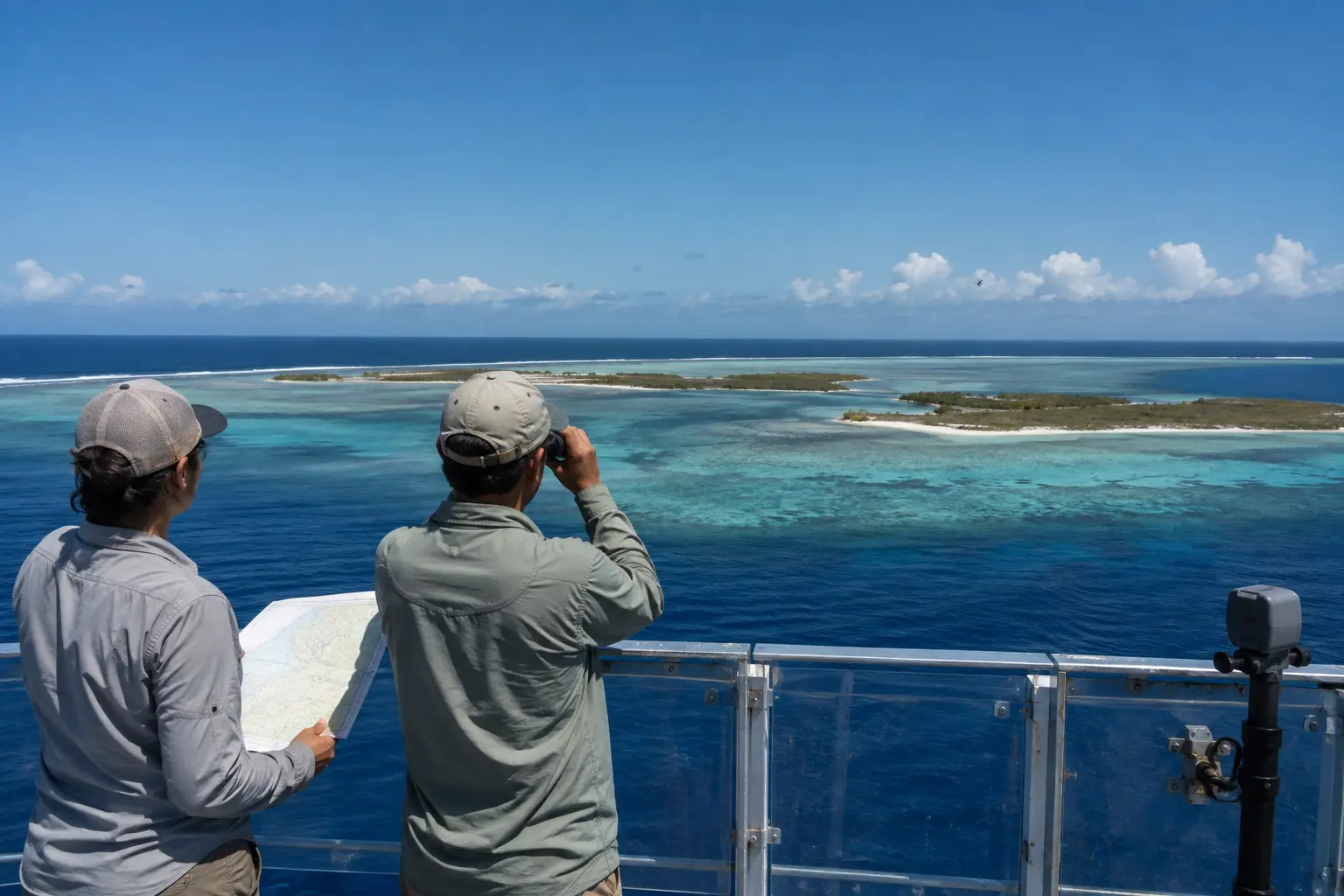
How to understand access to Papahānaumokuākea before calling it a destination
Papahānaumokuākea is not an ordinary leisure destination. Its managers state that activities are prohibited, exempted or regulated and that, with limited exceptions, activities inside the monument require a permit. Official virtual interpretation is the appropriate public starting point.
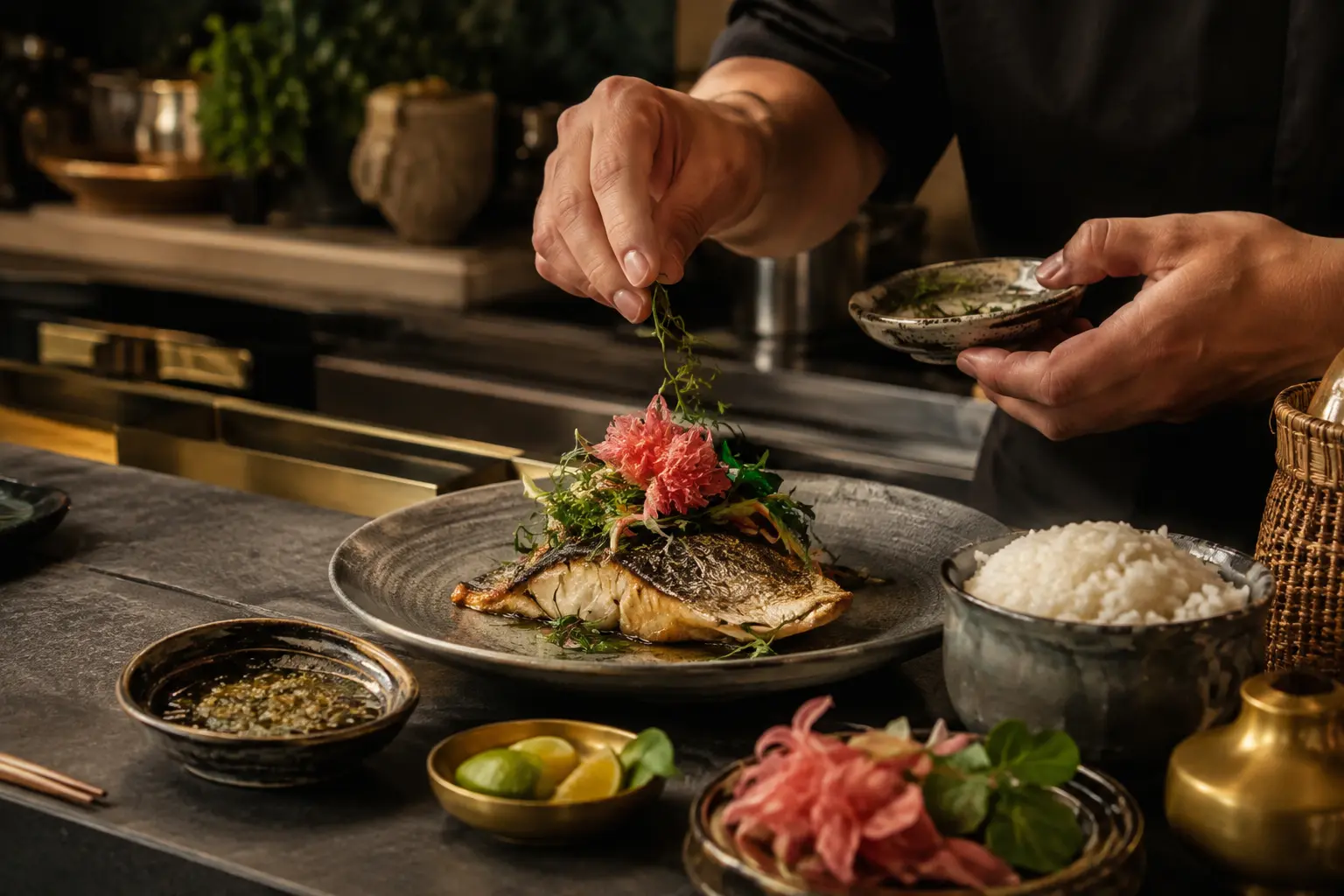
Why Seroja frames Singapore through the Malay Archipelago
Seroja’s own account presents the restaurant as a personal and collaborative interpretation of the Malay Archipelago. The frame comes through chef Kevin Wong’s family story, regional flavours and named growers, fishers, craftspeople and artisans—not through a generic idea of tropical cuisine.

What FAO’s Global Record can—and cannot—tell you about a fishing vessel
FAO’s Global Record is a public route to State-supplied vessel identity and related data. It can strengthen a source investigation, but coverage depends on participating authorities and a record is not a real-time activity map or automatic illegality verdict.

How to use Leather Working Group certification without overclaiming the product
Leather Working Group certification is facility-focused. Its directory can help identify audited supply-chain actors, but LWG explicitly says the facility—not the finished product—carries certification and discourages broad product-level sustainability claims.
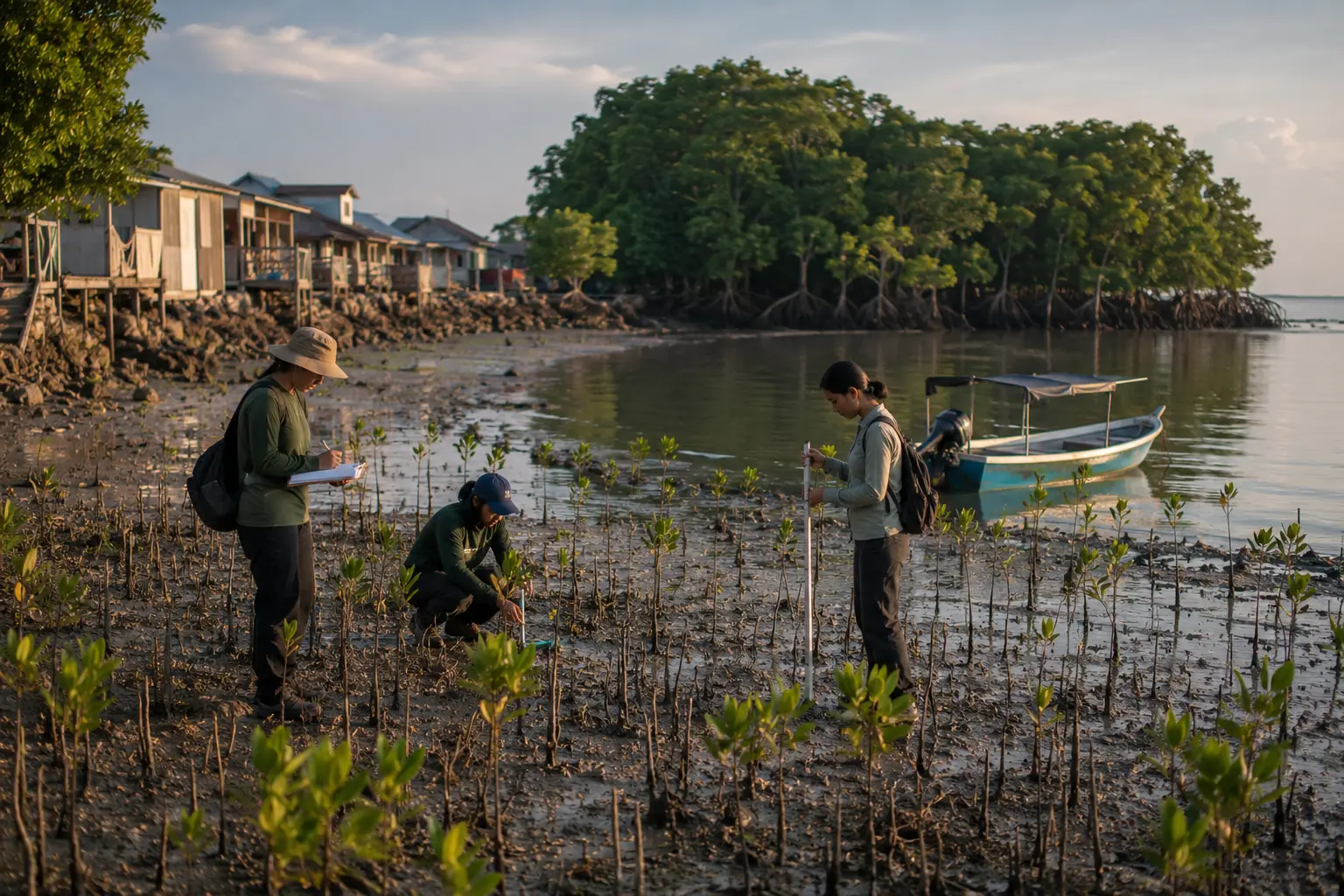
What the Mangrove Breakthrough’s 2030 target actually means
The Mangrove Breakthrough is mobilising a stated US$4 billion to secure the future of 15 million hectares of mangroves by 2030, combining protection, restoration, finance, policy and community-led delivery.
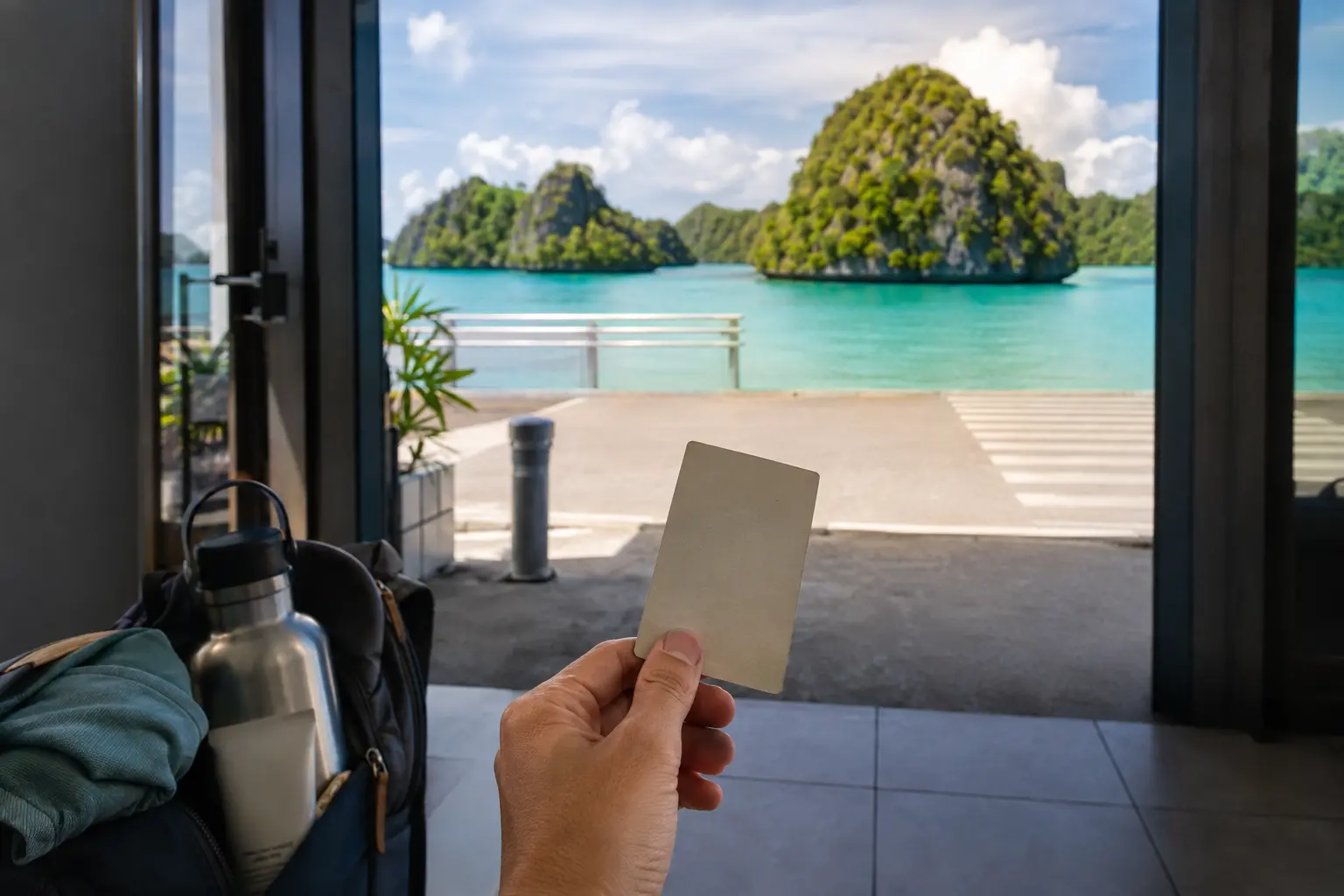
How the Palau Pledge changes the first step of a visit
Palau placed an environmental and cultural promise inside the arrival process. The pledge asks visitors to recognise responsibility before the reef, beach or tour begins, but practical conduct still depends on current rules and local guidance.

How to read the Global Fishing Watch map without overreading it
Global Fishing Watch turns vessel-tracking data and models into open map layers. It can reveal patterns of apparent activity, but coverage gaps, transmission limits and model choices mean a bright track is not a verdict and an empty sea is not proof of no fishing.
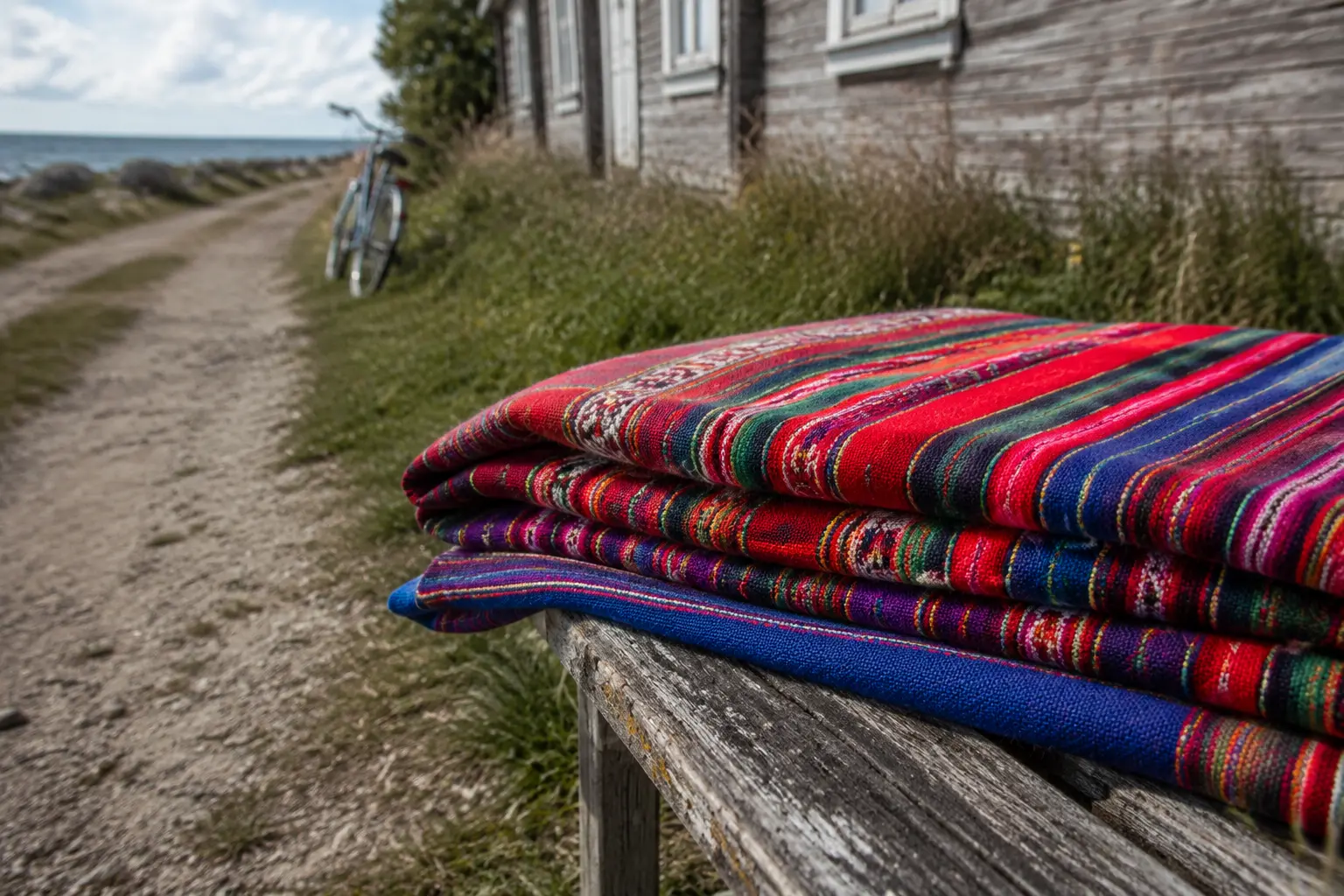
Why Kihnu’s striped skirts carry an island’s identity
UNESCO treats Kihnu’s woollen handicrafts and women’s clothing as visible parts of a wider cultural space that also includes language, music, ceremonies, community life and a maritime island setting.

Where Bahrain’s pearling story still joins land and sea
Bahrain’s UNESCO-listed pearling property is not one museum object: it connects Muharraq buildings, a seashore, a fort and three offshore oyster beds, preserving the economic and cultural system that once linked the island to the Gulf.

How to respond if you are caught in a rip current
The U.S. National Weather Service advises staying calm, not swimming directly against the current, escaping along the shoreline if able, or floating and signalling for help if you cannot escape.

What the FDA Food Code says about freezing fish for raw service
The FDA Food Code uses time-and-temperature freezing controls for many fish served raw or undercooked to destroy parasites, with defined exemptions. It is a model code, so local adoption still matters.

How to read an EU seafood label
EU consumer information for fishery and aquaculture products can include the commercial and scientific species name, production method and catch or farming area. Each field answers a different sourcing question.

What FAO’s latest global marine fish-stock assessment says
FAO’s latest global assessment reports 64.5% of marine fishery stocks within biologically sustainable levels, while 77.2% of global marine landings came from sustainable stocks when weighted by production.

How quickly should wet materials be dried to limit mold?
EPA advises drying wet or damp materials as soon as possible, ideally within 24–48 hours after a leak or spill. The source of water must also be fixed or the problem can return.

What indoor humidity range does EPA recommend?
EPA advises keeping indoor relative humidity below 60%, ideally around 30–50% where possible, because moisture control is central to limiting mold growth and condensation.

What an EU textile fibre label must tell you
EU textile rules standardise fibre names and composition labelling. The label tells consumers what textile fibres are present; it is not a general certification of origin, sustainability or garment quality.

How to read a U.S. textile fibre label
Most U.S. textile and wool products must disclose fibre content, country of origin and the responsible manufacturer or marketer. Those fields answer different questions.

How does GIA separate natural and cultured pearls?
GIA identifies pearl growth structure with X-radiography and other gemological testing. Natural and cultured origin is a laboratory determination, not something a buyer should infer from shape or colour alone.

What pearl treatments does GIA test for?
GIA says pearl testing can examine bleaching, heating, dyeing, irradiation, coating, peeling, filling and impregnation. Treatment detection depends on the report service and what can be detected.

How to visit seagrass coastlines without damaging the meadow
Seagrass can be harmed by anchoring, trampling, propellers and careless shallow-water access. A low-impact visit starts by treating the meadow as habitat rather than empty seabed.

Did the fourth global coral bleaching event end? What NOAA says now
NOAA Coral Reef Watch says the fourth global mass coral bleaching event likely ended in 2025. That does not mean reefs are now free from local heat stress or bleaching risk.

How to read fish and shellfish allergen labels in the U.S.
For packaged foods in the United States, FDA allergen rules require the species of fish and Crustacean shellfish to be declared rather than only the generic words fish or shellfish.

What the U.S. Seafood Import Monitoring Program covers—and what it does not
NOAA’s Seafood Import Monitoring Program tracks key chain-of-custody data for 13 at-risk seafood groups. It is a trade traceability program, not a consumer label.

What seafood traceability actually records
Seafood traceability is more than a QR code. FAO frames it around critical tracking events and key data elements that preserve identity and chain-of-custody information through the value chain.

How to reduce textile microfibre shedding without replacing your wardrobe
Practical ways to reduce avoidable fibre shedding from synthetic clothes, based on current EEA evidence—without pretending a laundry trick solves the whole microplastics problem.

Do synthetic clothes shed microplastics? What the evidence actually says
Synthetic textiles can release microfibres during manufacturing, wear, washing and disposal. The evidence is real, but the size of the problem and best interventions still carry uncertainty.

What changed in GIA’s pearl nacre classification?
GIA replaced its older Acceptable/Unacceptable nacre description with a five-level scale. Here is what Excellent, Very Good, Good, Fair and Poor actually describe.
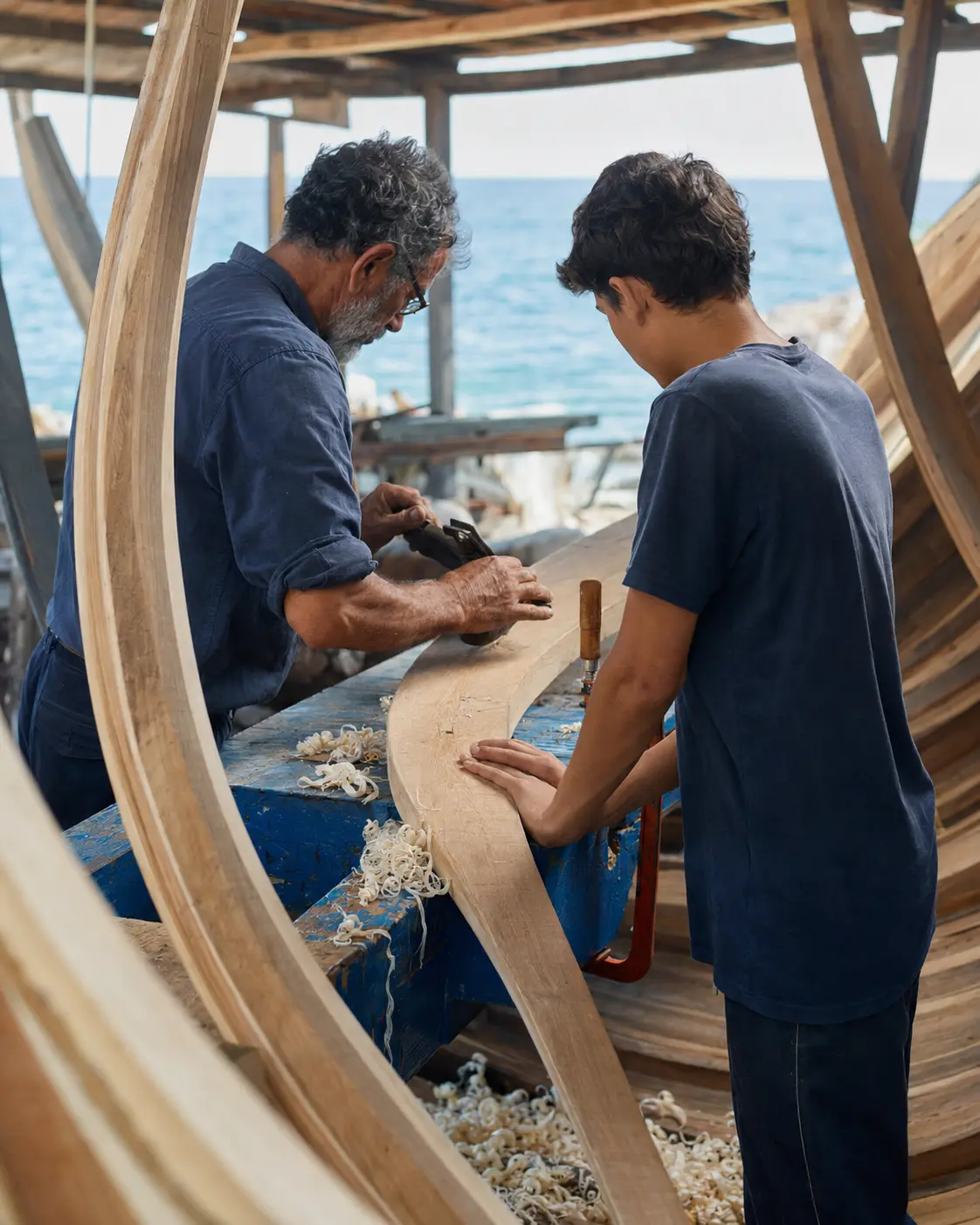
The boatbuilders who keep maritime memory alive
A traditional boat is not only an object. Its proportions can hold knowledge of local timber, currents, fishing, trade, wind and repair—knowledge that survives because people keep building, sailing and teaching it.
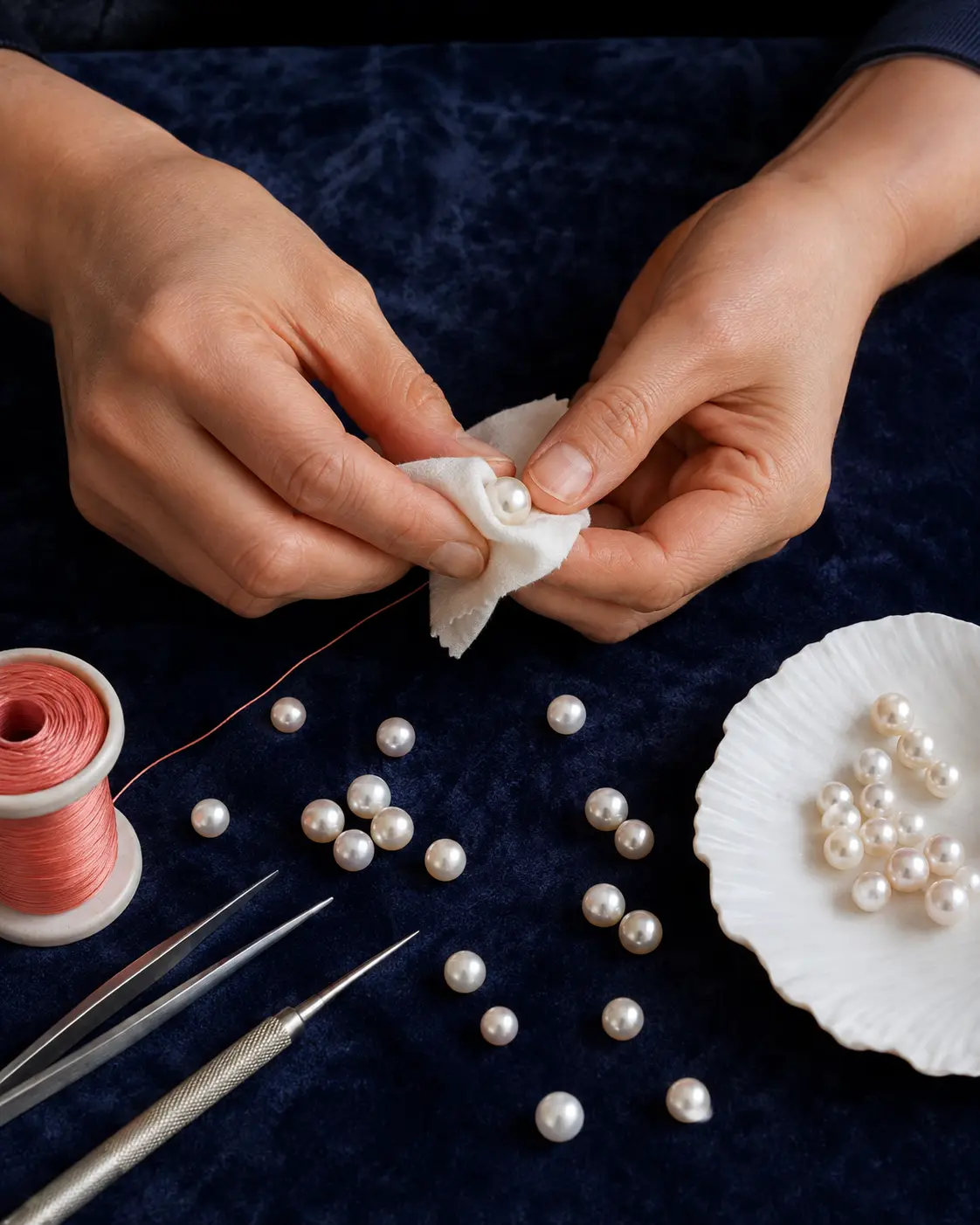
The hands behind a pearl’s final lustre
A pearl arrives without a designer’s sketch inside it. Its final character is built through decisions—on the water, at the sorting table, beside the drill and at the jeweller’s bench.
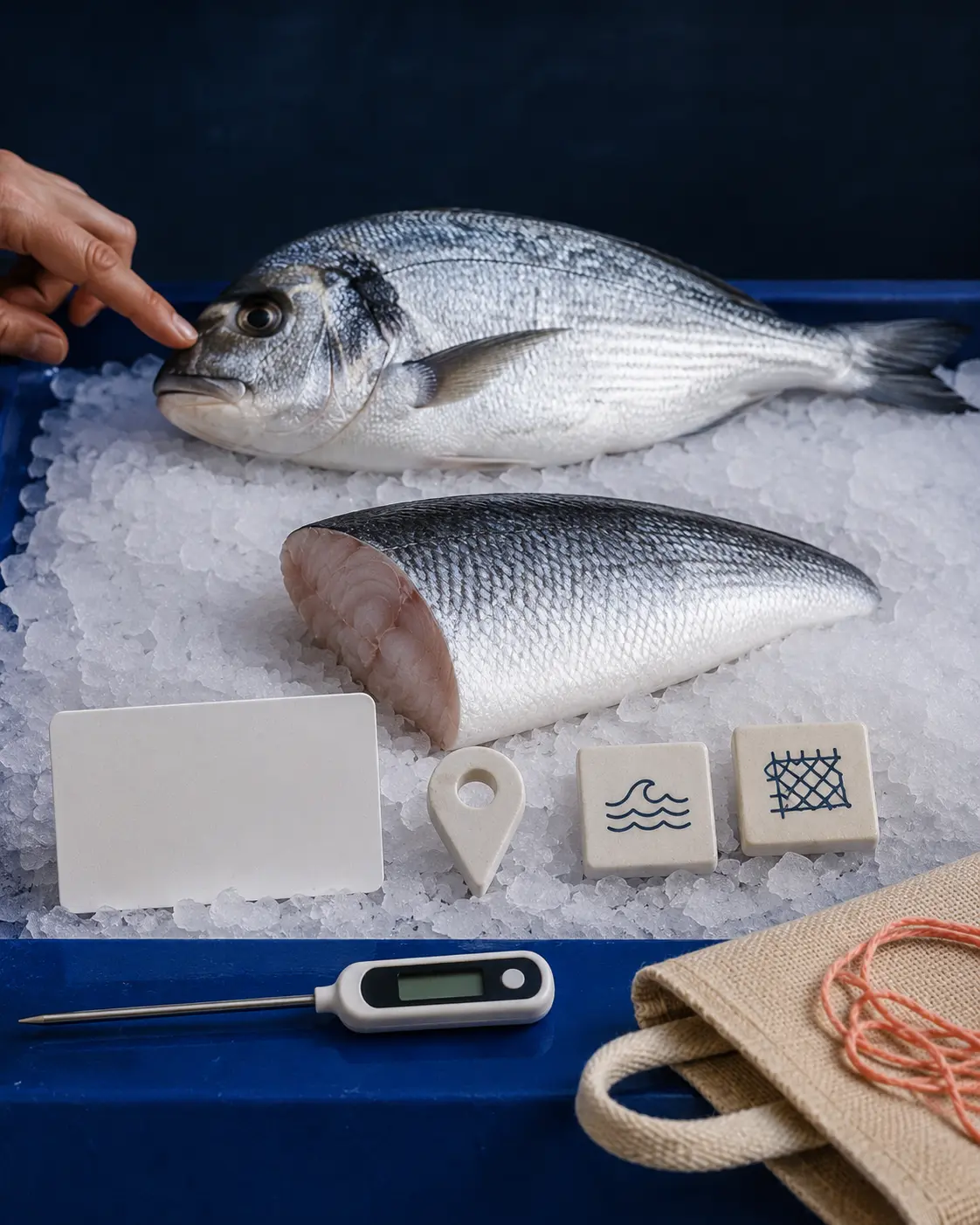
How to buy seafood without pretending one label knows everything
A trustworthy seafood decision is rarely made from one green logo or one word like ‘wild’. Start with identity, then build the answer through origin, production method, local management, handling and your own needs.

How to choose hardware for a coastal home
Near salt water, the hinge, screw and bracket can fail before the beautiful material around them. Choosing coastal hardware means matching the whole assembly to exposure, not buying a product because its finish looks marine.

How to choose pearl jewellery that feels like you
The right pearl is not the one a chart assigns to your age, face or wardrobe. It is the one whose scale, light and movement make you look more like yourself—not more like the idea of somebody wearing pearls.
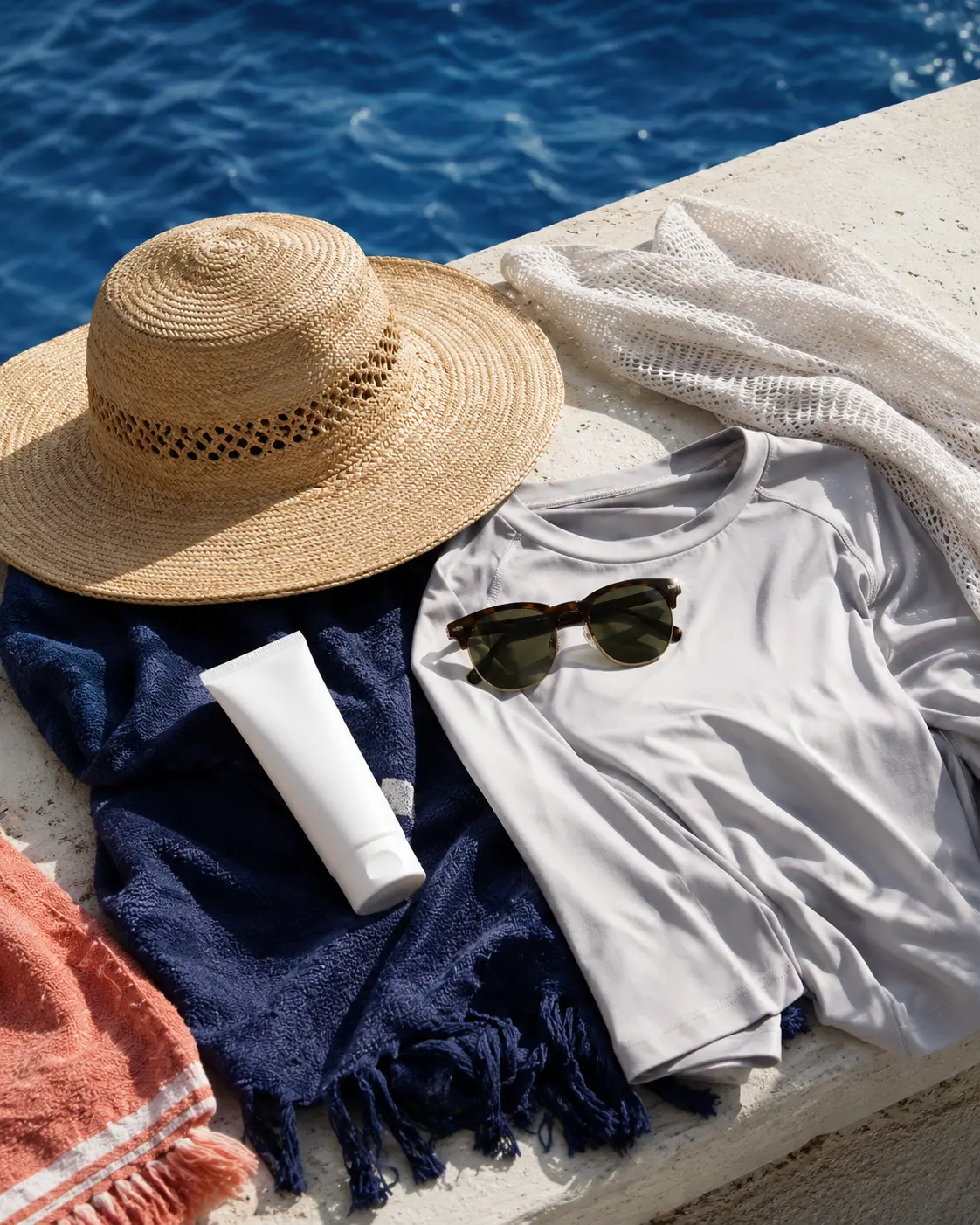
How to choose sun protection by the water
The useful sun-protection plan is layered: shade, timing, clothing, hat, eyewear and a regulated sunscreen used as directed. A marine-sounding label should not distract from protecting skin properly.
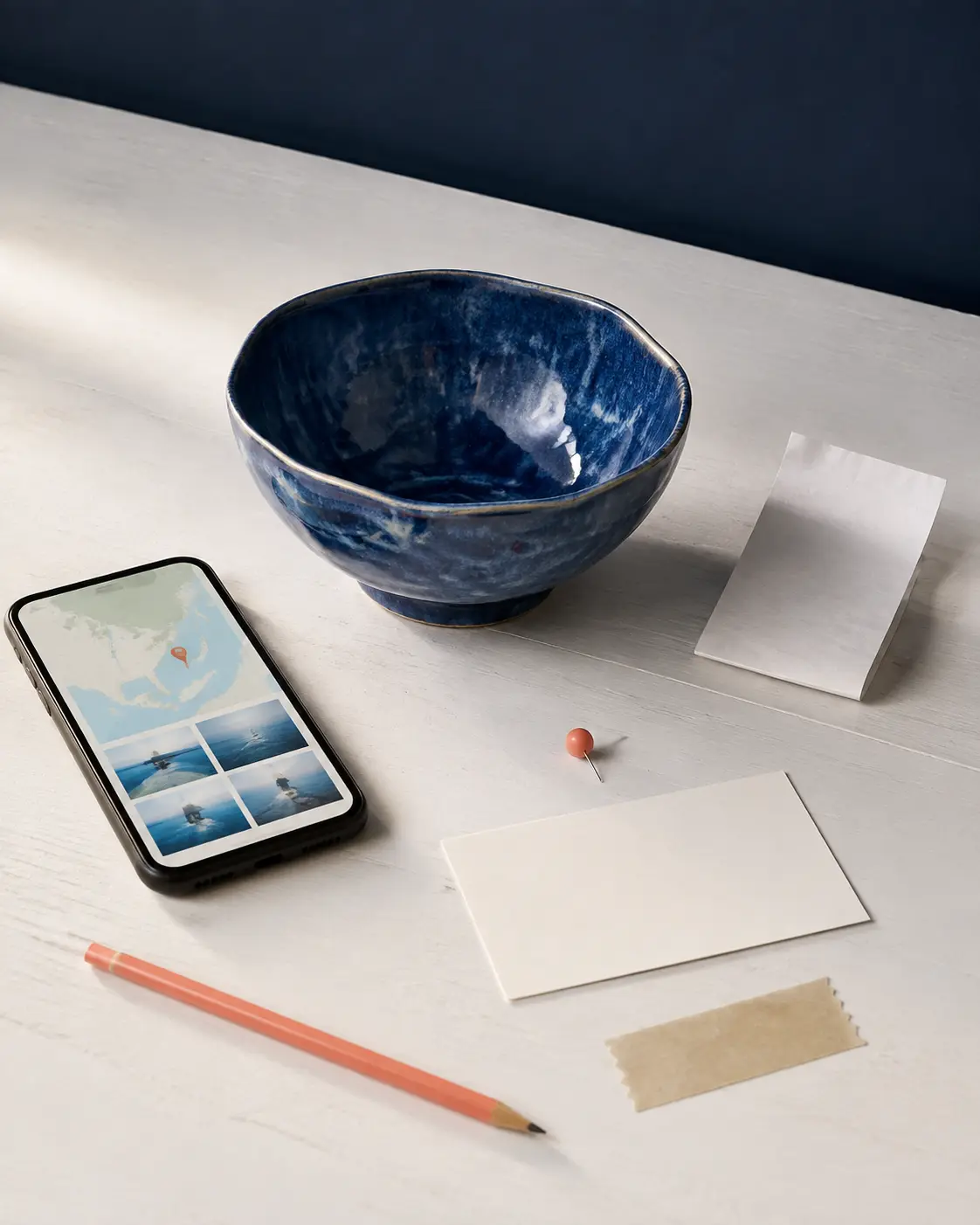
How to find something you loved on a journey
The object you regret leaving behind is rarely found by searching ‘blue bowl from beach shop’. It is found by rebuilding context: where you stood, what the material was, who made it and what evidence survived in your phone.
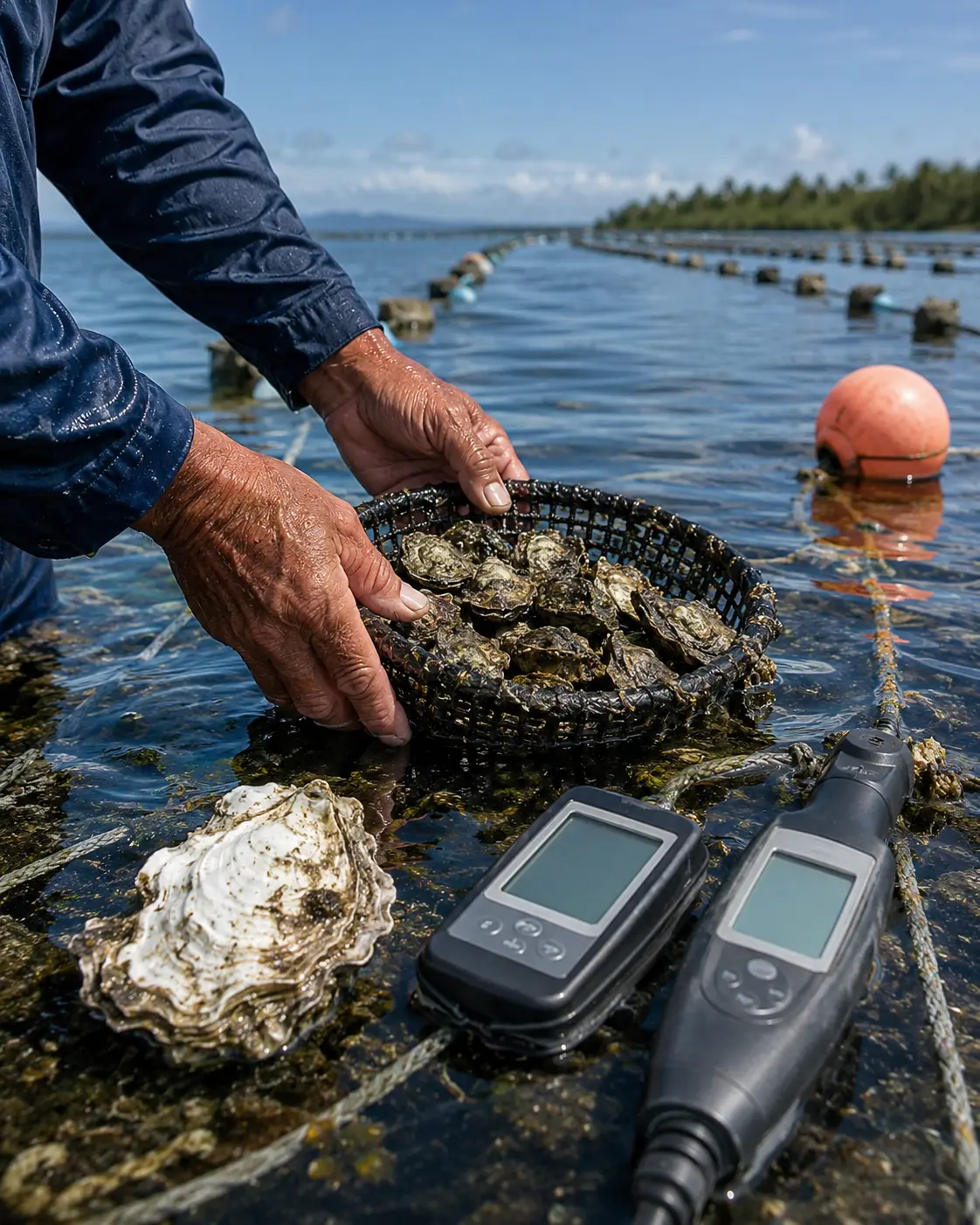
Pearl farmers reading change in the water
A pearl farm asks a living animal to grow something beautiful inside changing water. Farmers therefore read temperature, storms, mortality, water quality and time alongside the qualities a buyer sees at the jewellery counter.
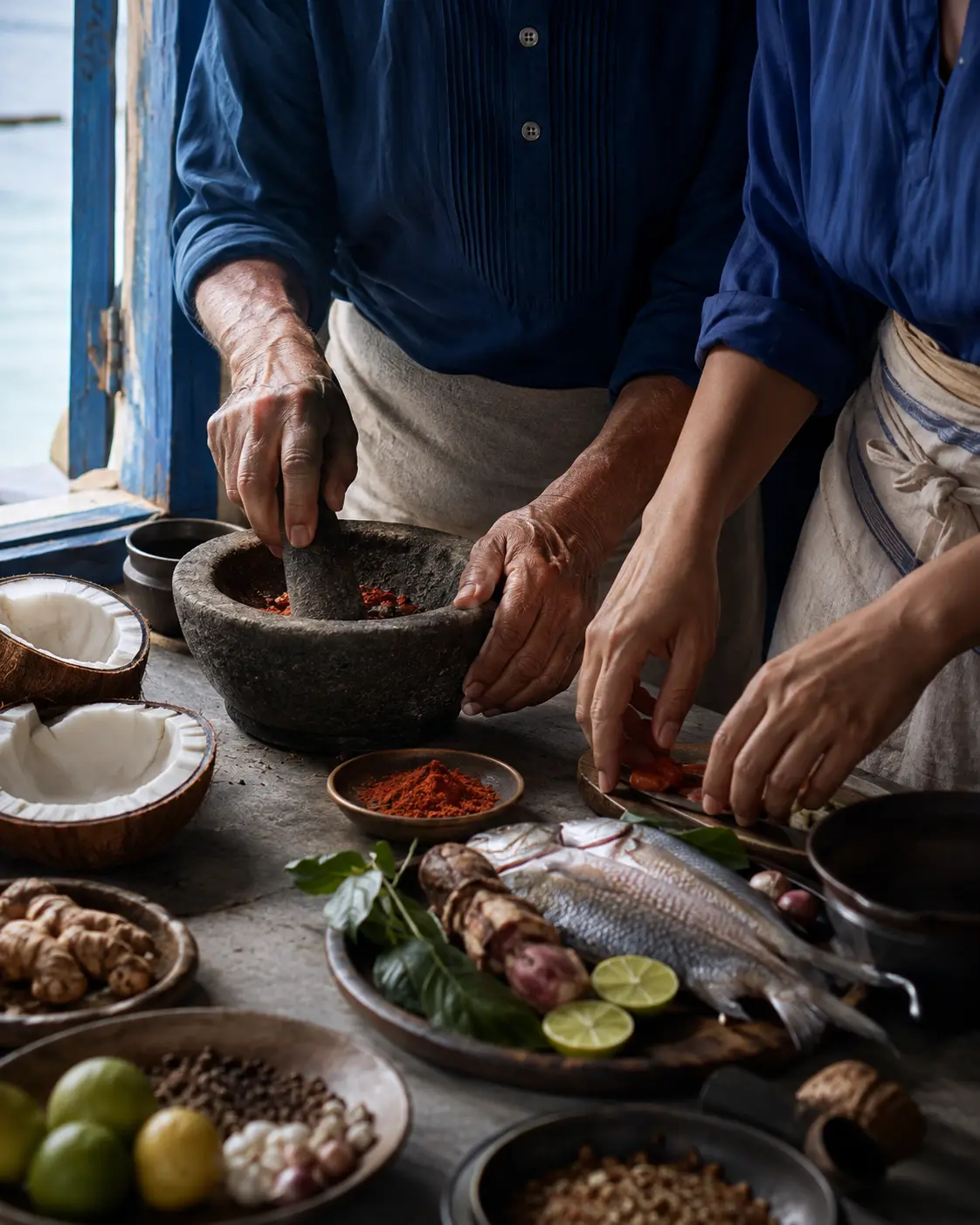
The people keeping the world’s coastal kitchens alive
A cuisine survives because people keep cooking it, adjusting it and teaching it—not because a dish is frozen at one perfect moment. Coastal food lives through many hands, some celebrated and many almost invisible.

What circular coastal style looks like now
The newest coastal wardrobe is not defined by another shade of blue. It is moving toward pieces that can be worn repeatedly, repaired, resold and understood—garments with a life beyond one holiday photograph.
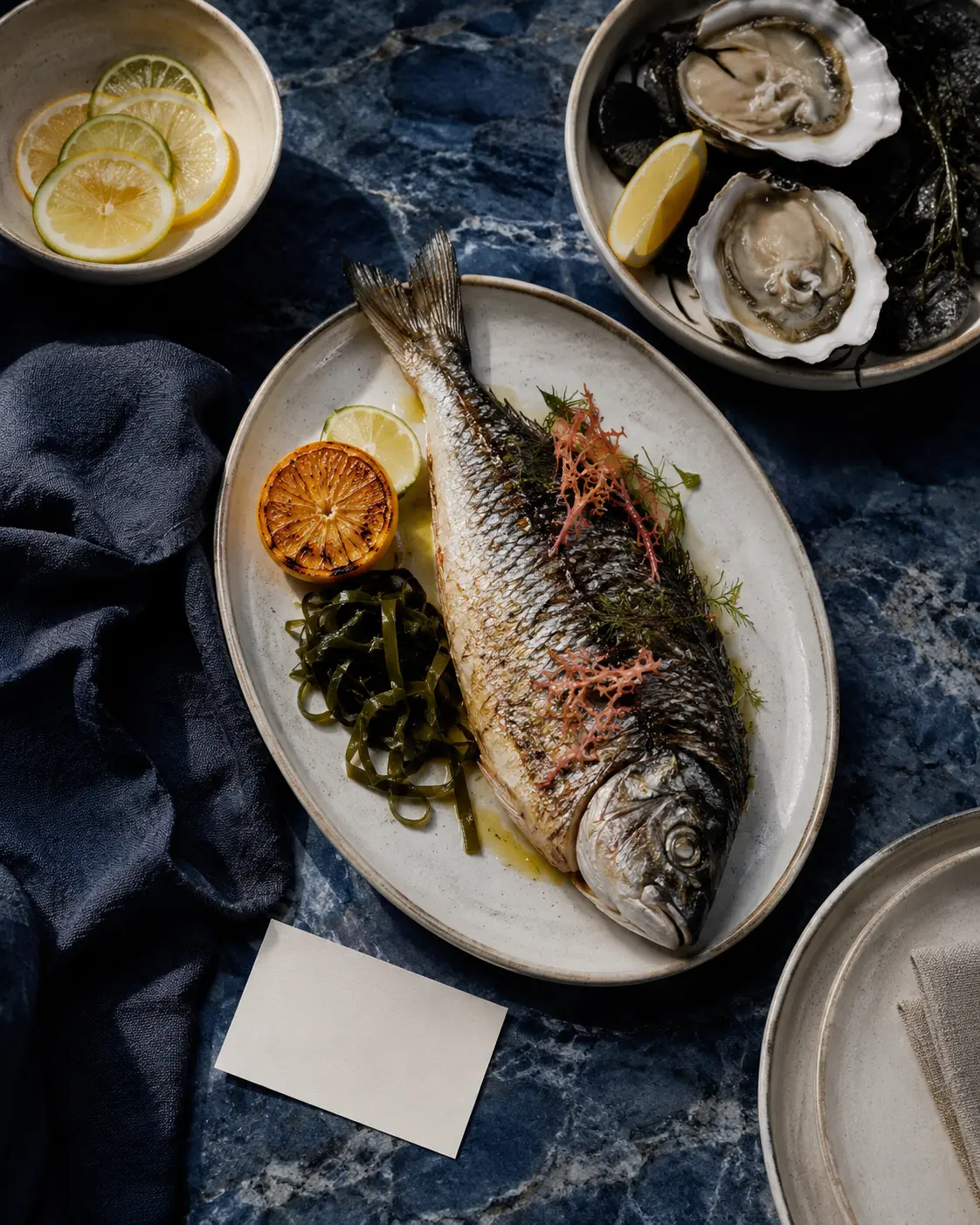
What do diners now expect from the coastal table?
‘Fresh seafood’ used to be the whole promise. It no longer answers enough. Curious diners want to know the species, origin, production method and why the kitchen chose it.
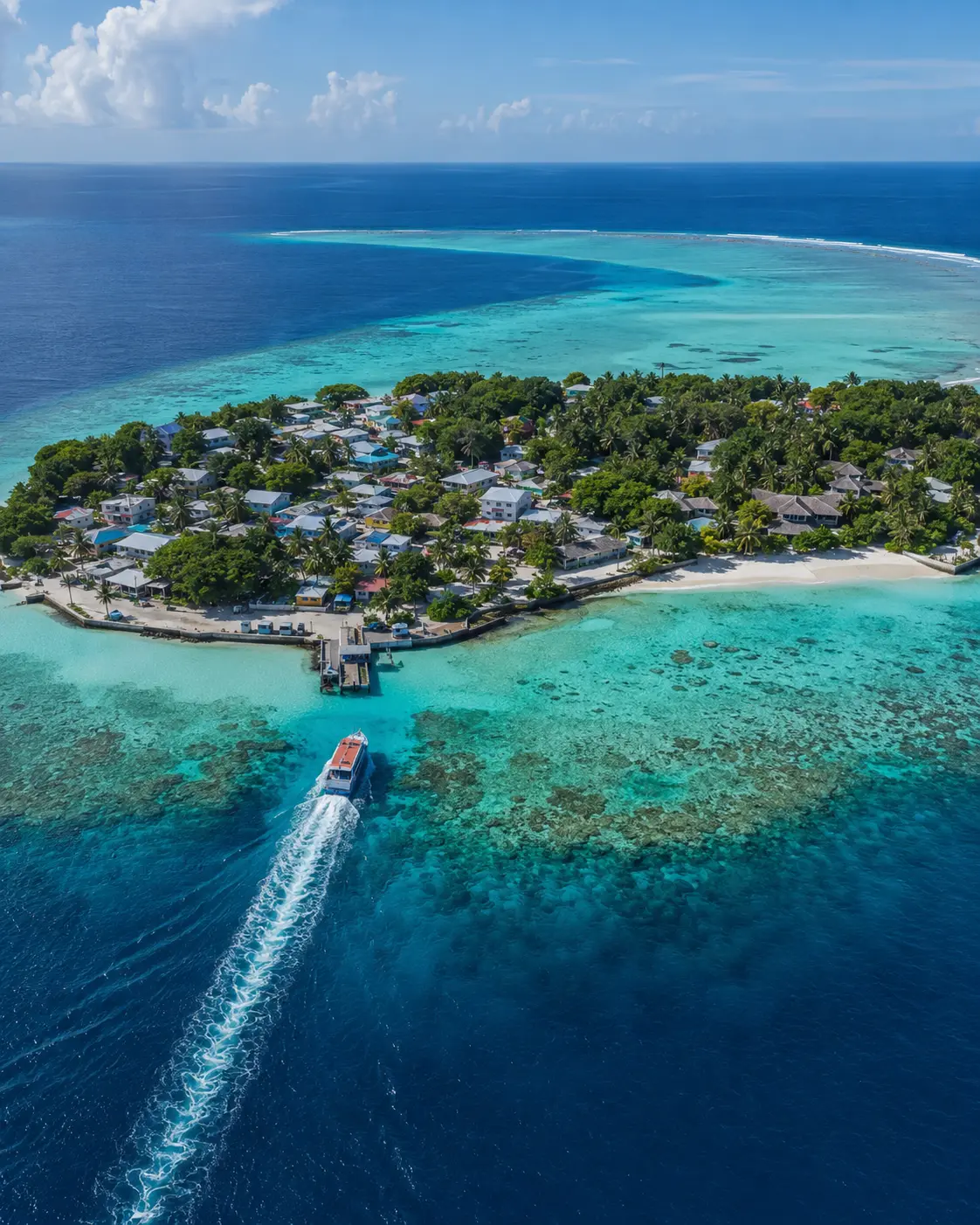
What is changing in the way people choose island escapes?
The island dream is still blue water and distance from routine. What is changing is the decision around it: travellers are comparing access, crowd pressure, weather risk, local value and the cost of getting it wrong before they compare room photographs.
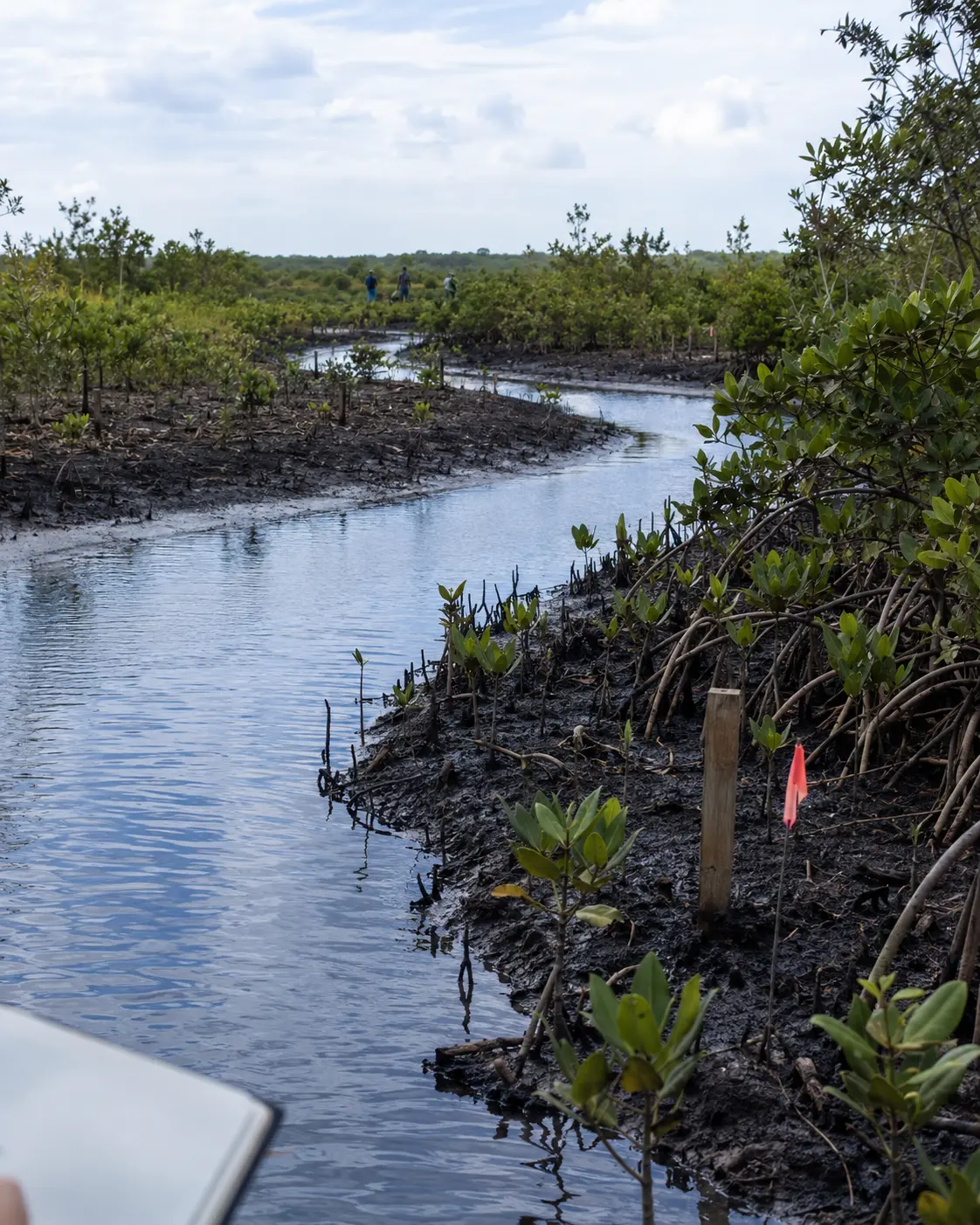
What is changing in mangrove restoration
Mangrove restoration is becoming less impressed by the number of seedlings planted and more interested in whether water, sediment, species and community stewardship can support a forest years later.
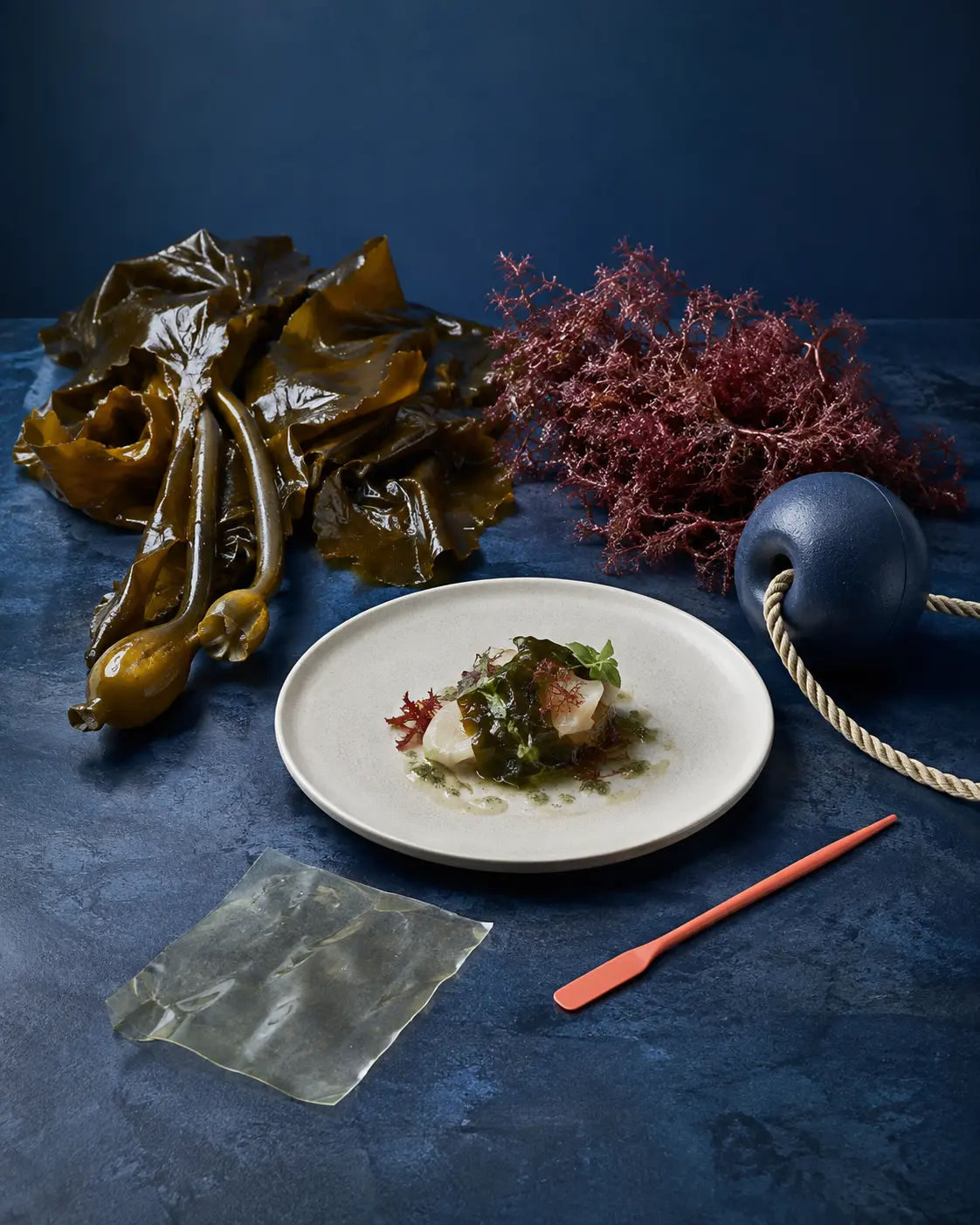
What is really changing in seaweed
Seaweed is appearing in menus, snacks, farms, packaging ideas and climate conversations. The interesting signal is not uninterrupted growth; it is the shift from novelty to harder questions about species, production, processing and genuine use.
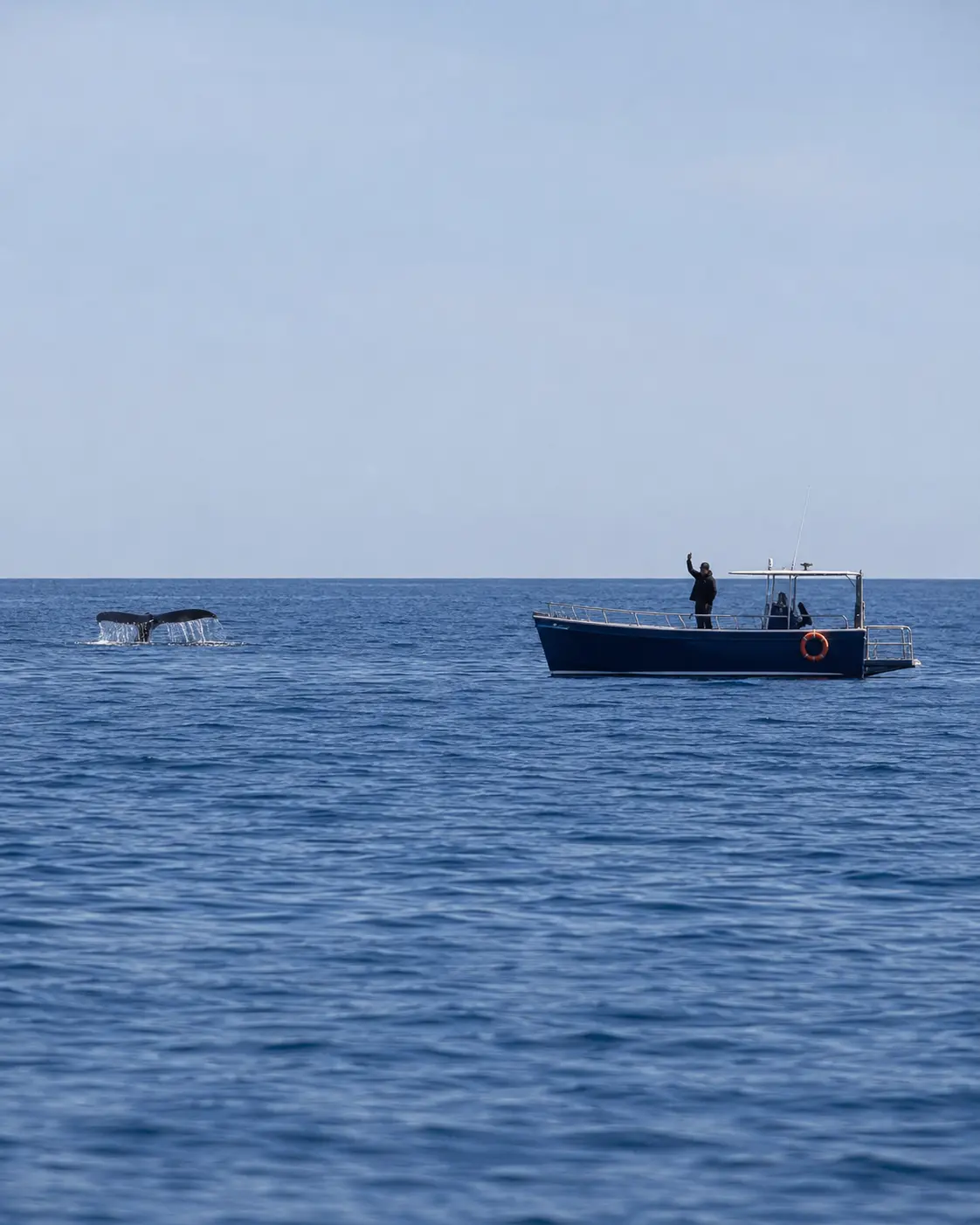
What travellers now ask before a marine-wildlife encounter
The old promise was proximity. The better promise is restraint: an encounter shaped around the animal’s space, local rules and the possibility that the most responsible trip returns without the photograph advertised.
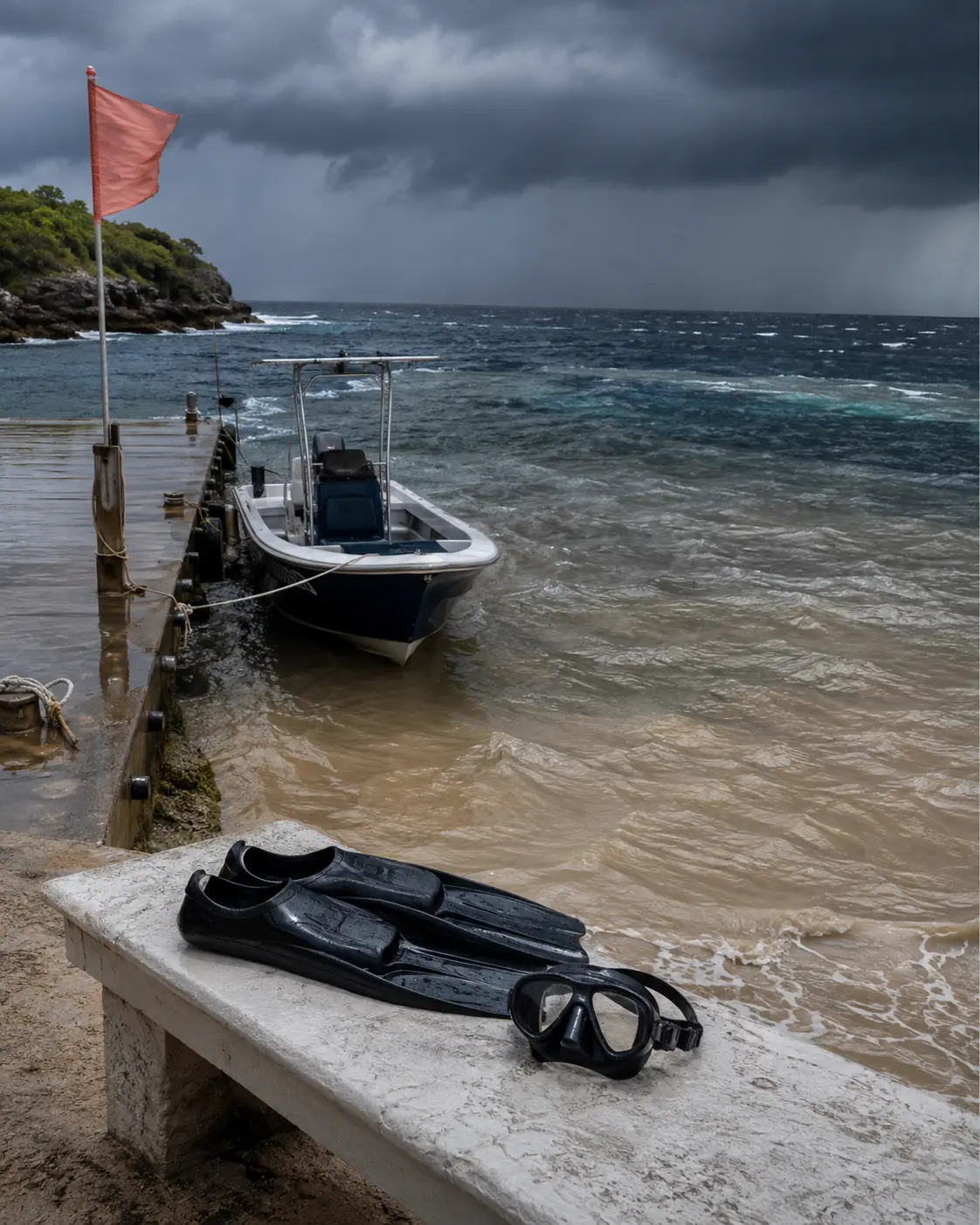
When a reef visit should wait
The best time to visit a reef is not simply the driest month. Safe sea conditions, live heat-stress information, local closures, visibility and pressure at the site can make a different day—or a different activity—the better choice.
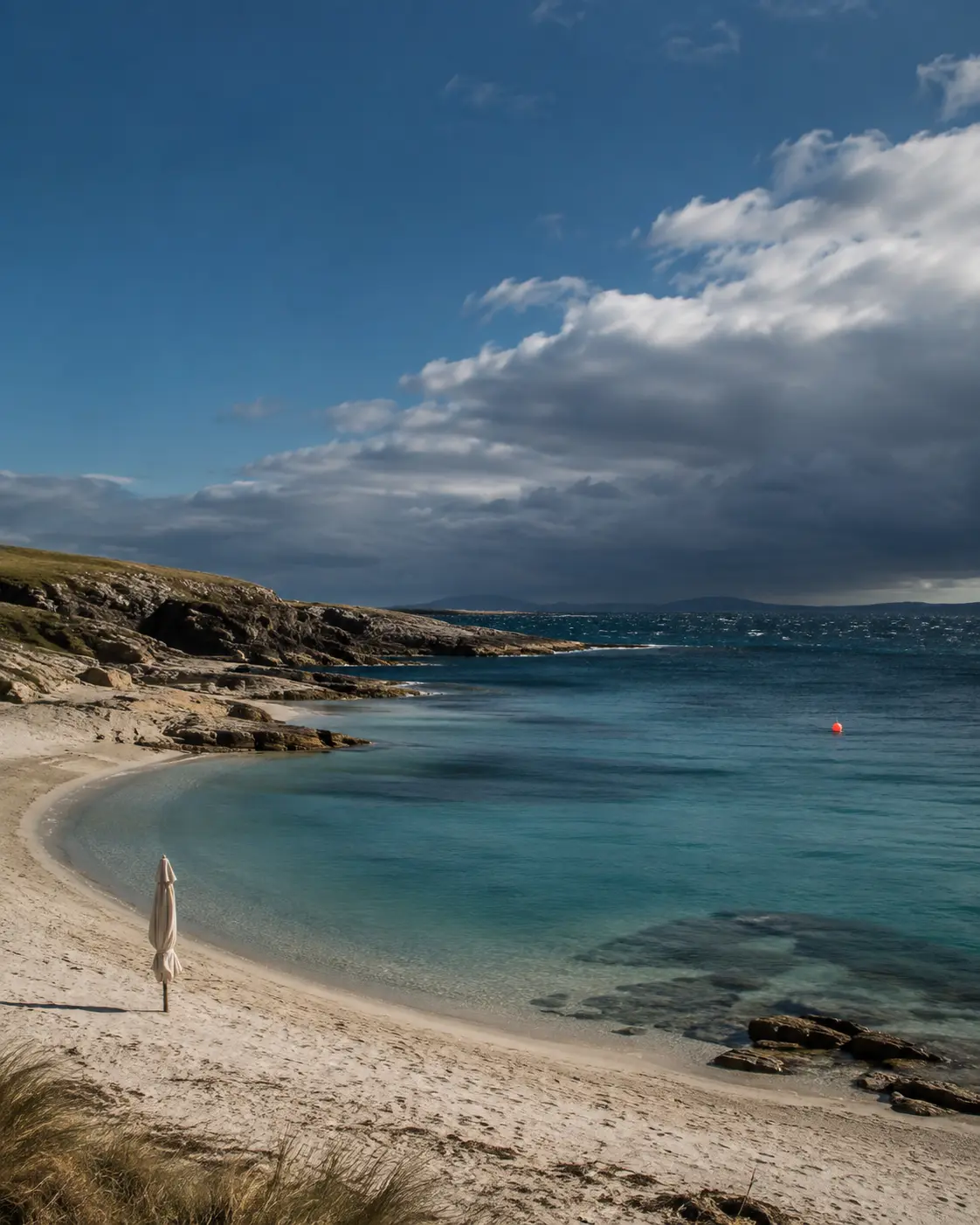
When is the coast truly at its best?
There is no single best month for the world’s coasts. The Caribbean, Mediterranean, Indian Ocean, Pacific and temperate shores answer to different rain, wind, swell and cyclone patterns—and travellers want different things from the same water.
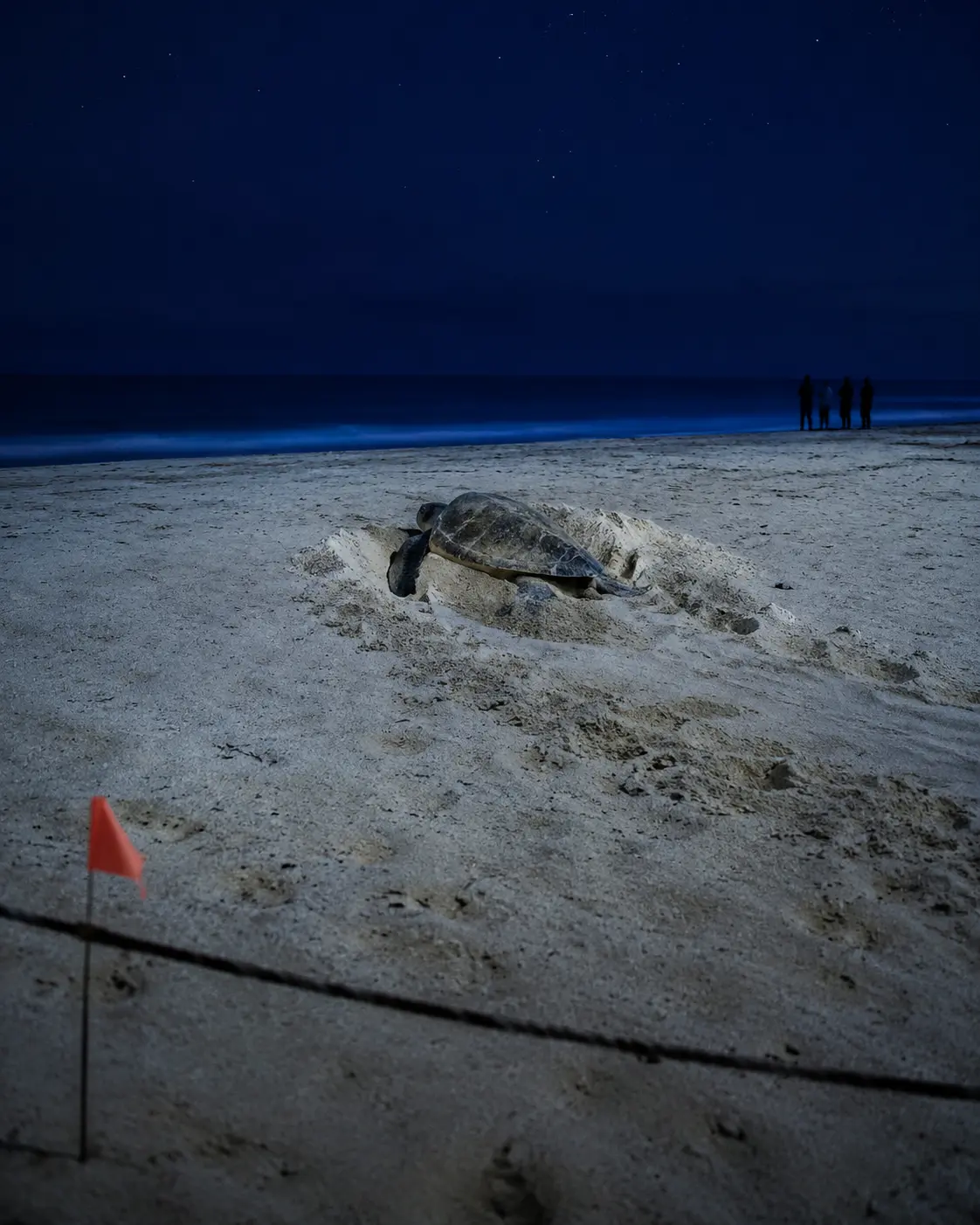
When sea turtles set the calendar
Sea-turtle seasons can reshape a beach after dark: lights change, furniture moves and visitors learn to walk more carefully. But there is no universal nesting month—species, hemisphere and coastline all matter.
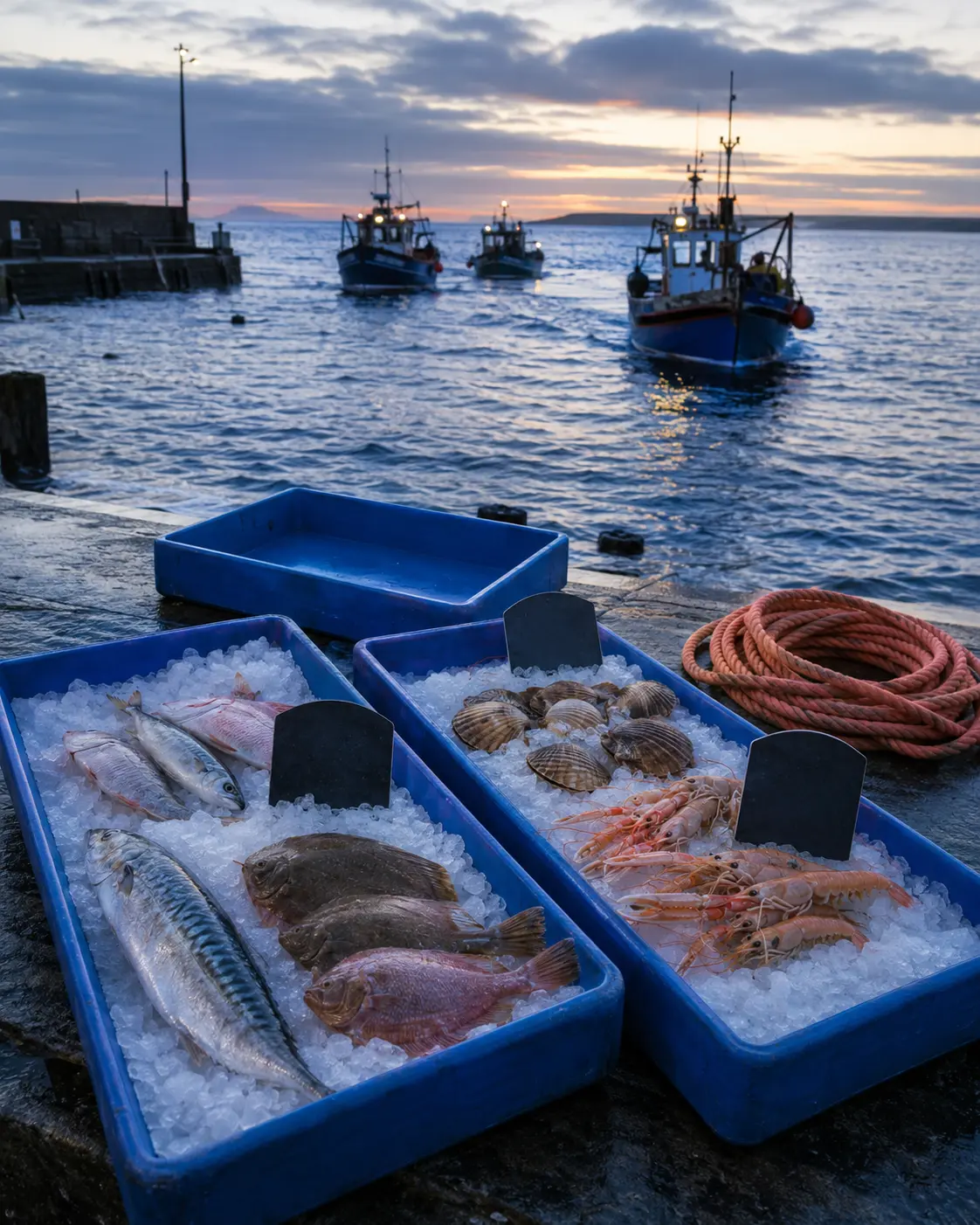
When seasonal seafood is worth waiting for
Seafood season is not one global calendar printed above a restaurant door. It is a local relationship among biology, management, weather, fishing method, market supply and the dish a kitchen wants to serve.
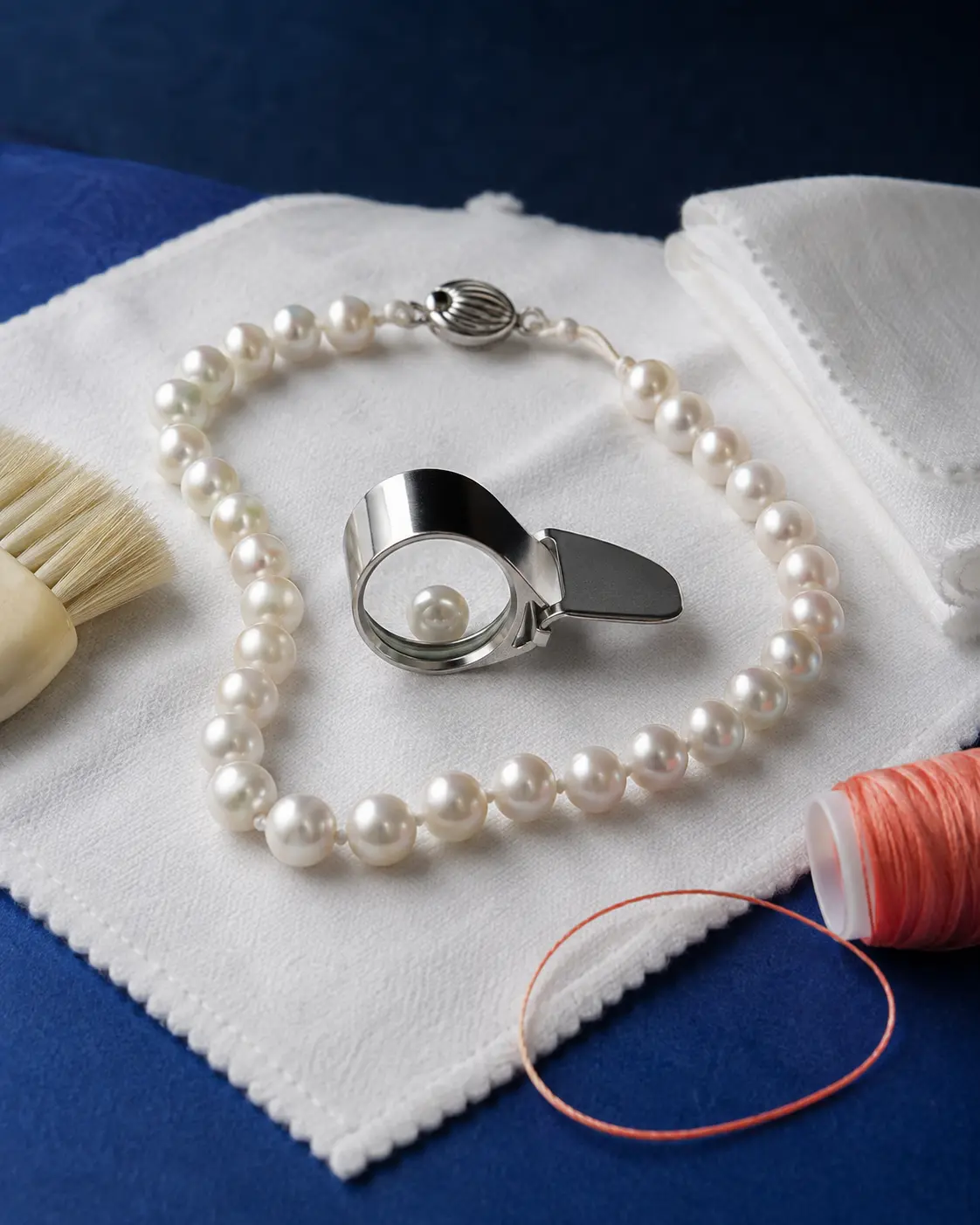
When should pearls be checked, cleaned or restrung?
Pearls do not need fear; they need gentleness and attention. The useful schedule is not a rigid annual ritual but a rhythm based on how often the piece is worn and what the silk, clasp, drill holes and surface are telling you.

Where ocean-led design moves beyond the obvious beach look
Ocean-led design does not require anchors, shells or a wall painted turquoise. It can begin with reflected light, air movement, weathered material, shade, repair and the fact that water changes how a place is used.
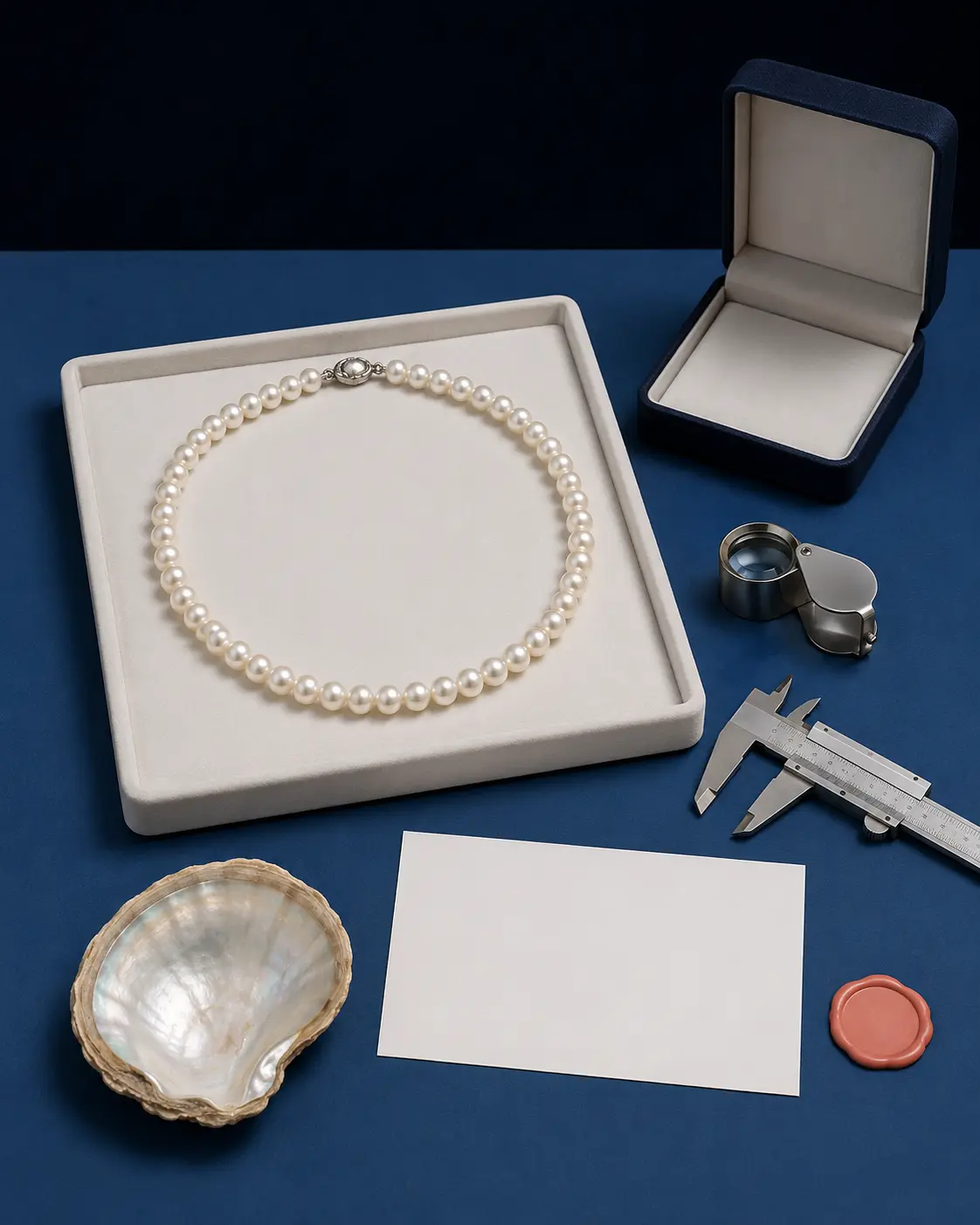
Where to buy a pearl with a clear story
A romantic address is not a guarantee of a truthful pearl. The safer place to buy is wherever identity, treatment, metal, price, return terms and the seller’s responsibility are made clear in writing.
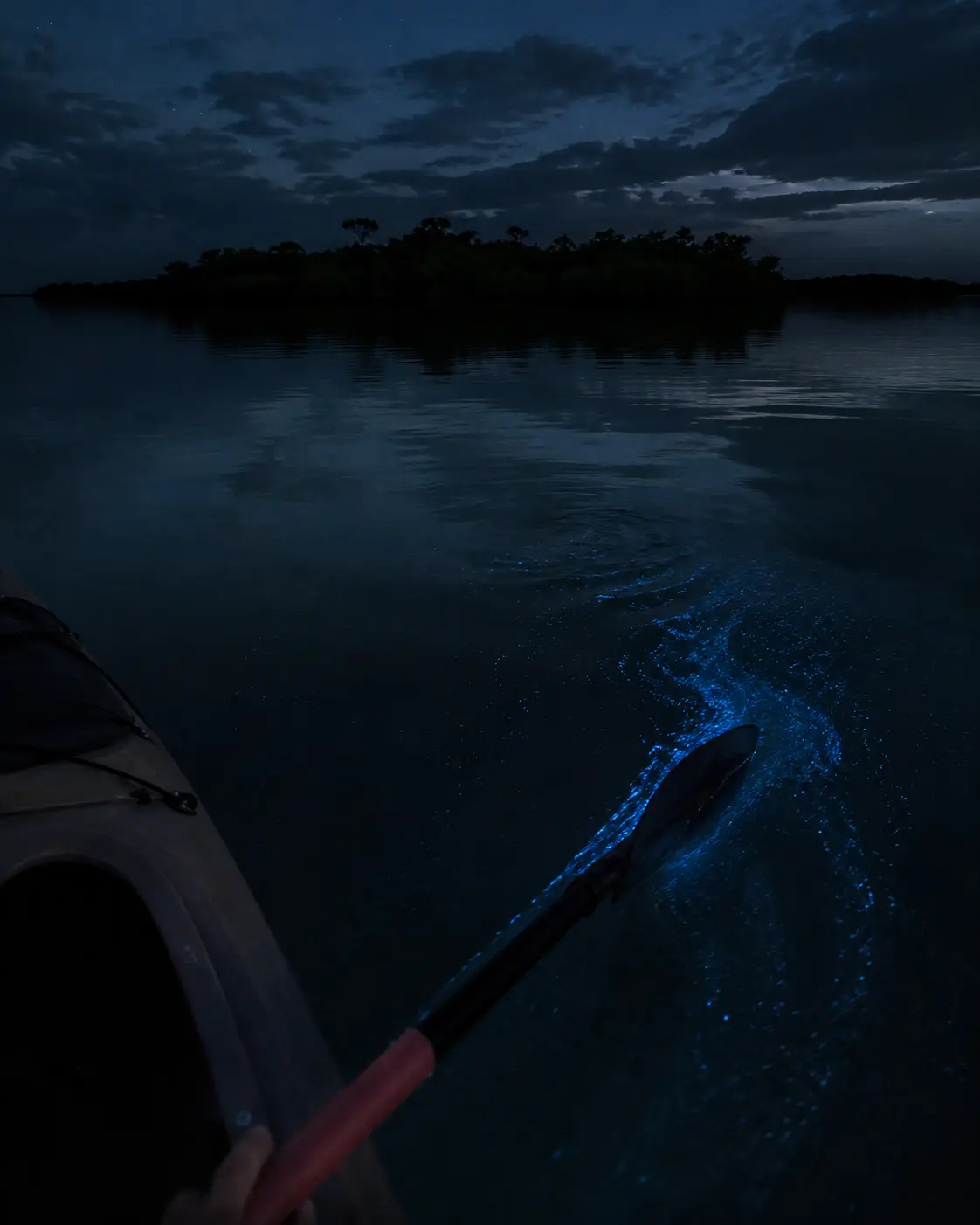
Where to experience bioluminescence—with care
Bioluminescent water can feel impossible: every paddle stroke waking blue-green light. The phenomenon occurs in many marine organisms, but dependable visitor experiences are local, seasonal and vulnerable to light, weather, pollution and crowding.

Where to experience the world’s distinct coastal flavours
There is no single coastal cuisine. Every ocean edge is shaped by different waters, migrations, rains, faiths, crops, preservation methods and languages. The richest route follows those differences instead of collecting famous dishes.
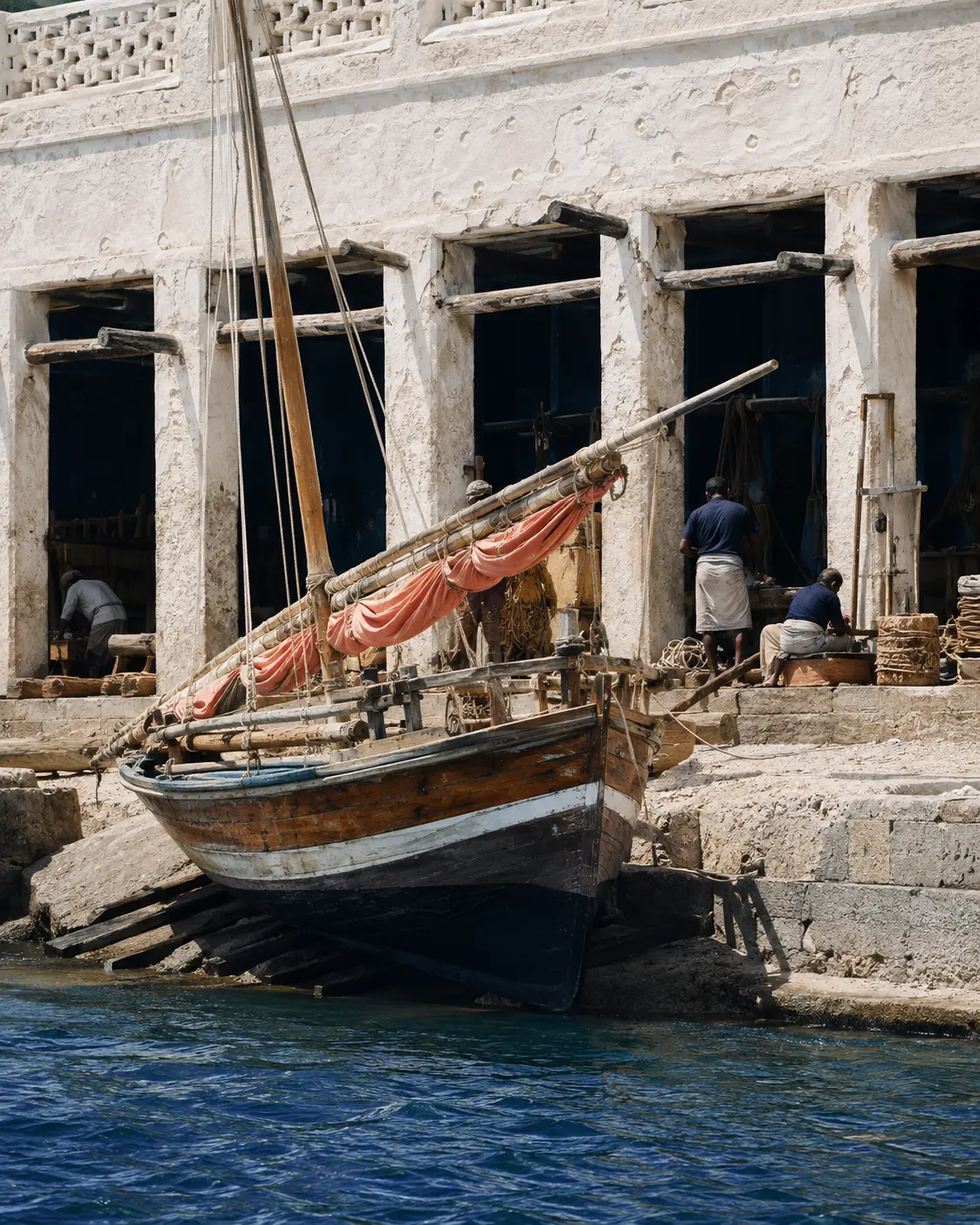
Where to meet living maritime heritage
Maritime heritage is not confined to shipwrecks and museums. It can live in a boatyard, a song house, a women divers’ cooperative, an oyster bed or a working harbour—places where knowledge still has a present tense.
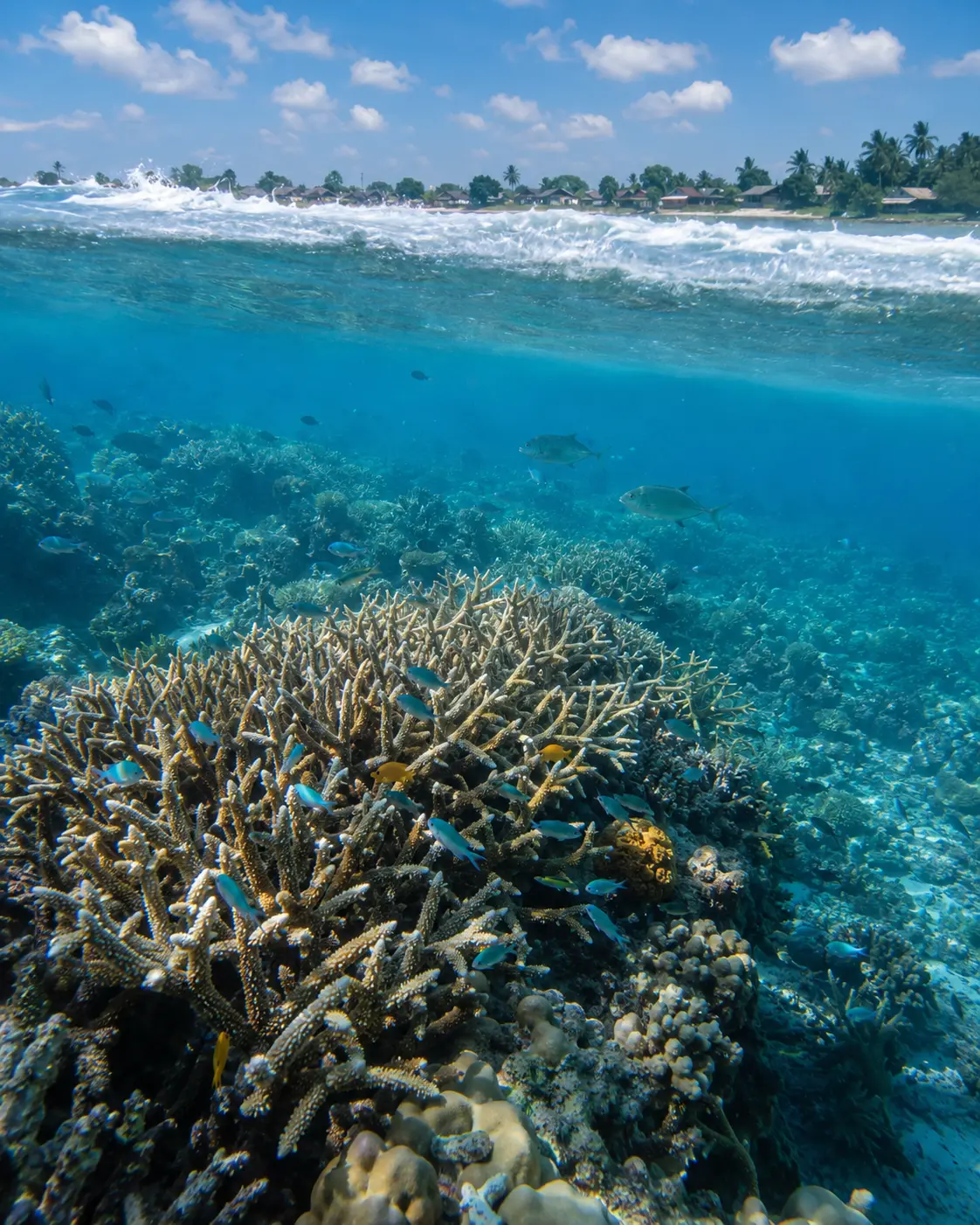
Why coral reefs matter far beyond the postcard
A reef is easy to reduce to colour. Its deeper value is practical: it shelters marine life, supports food and work, softens wave energy and carries cultural meaning for communities whose relationship with it began long before tourism.
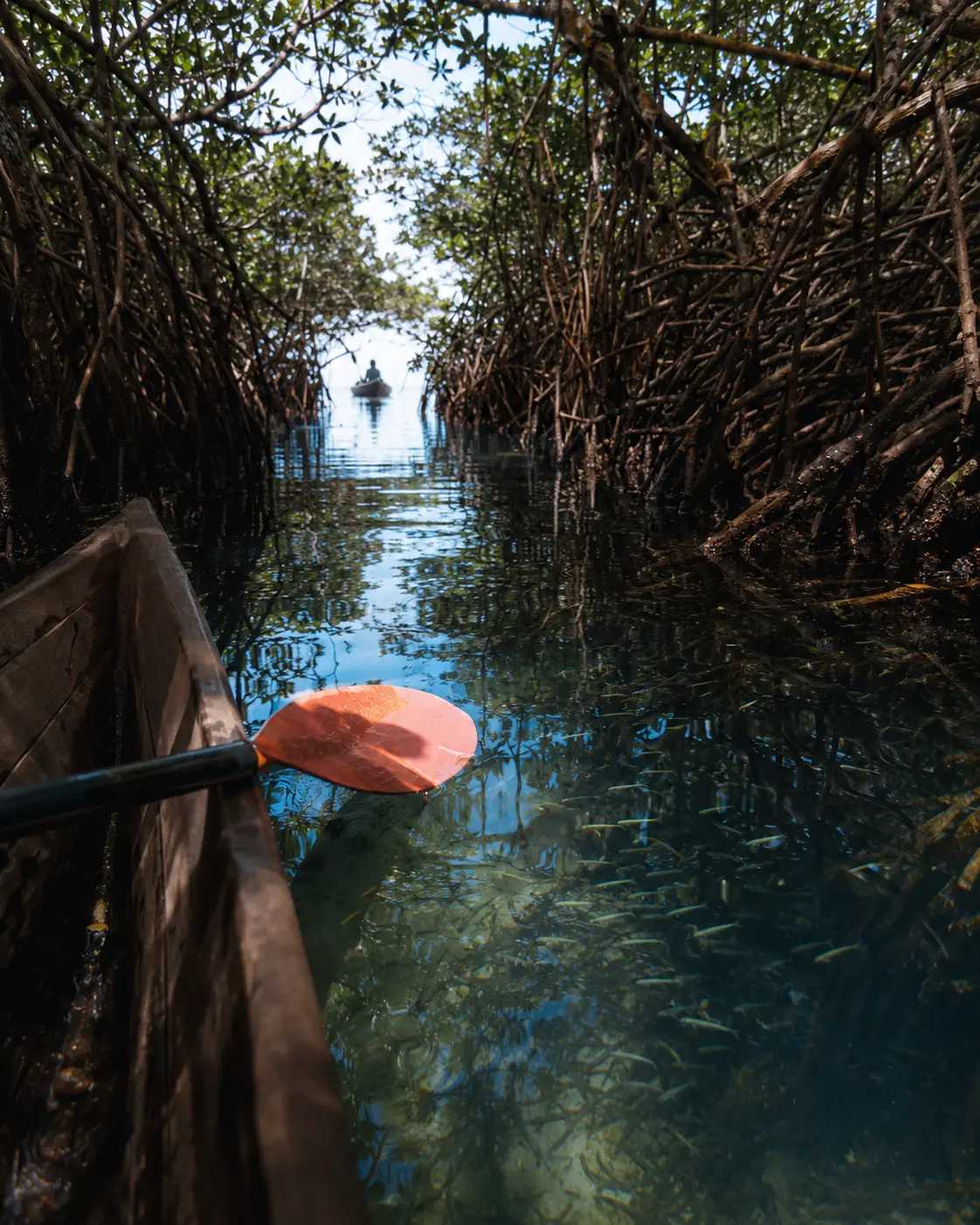
Why mangroves belong in the travel story
Mangroves rarely receive the visual attention given to beaches, yet these salt-tolerant forests can be among a coast’s most consequential places—nurseries, storm buffers, carbon stores and working landscapes at once.

Why do ordinary materials fail faster beside the sea?
A coastal home ages in public. Hinges bloom with rust, fabrics fade, finishes lift and timber moves—not because the sea is careless, but because salt, water, heat and light keep working after the view has gone quiet.
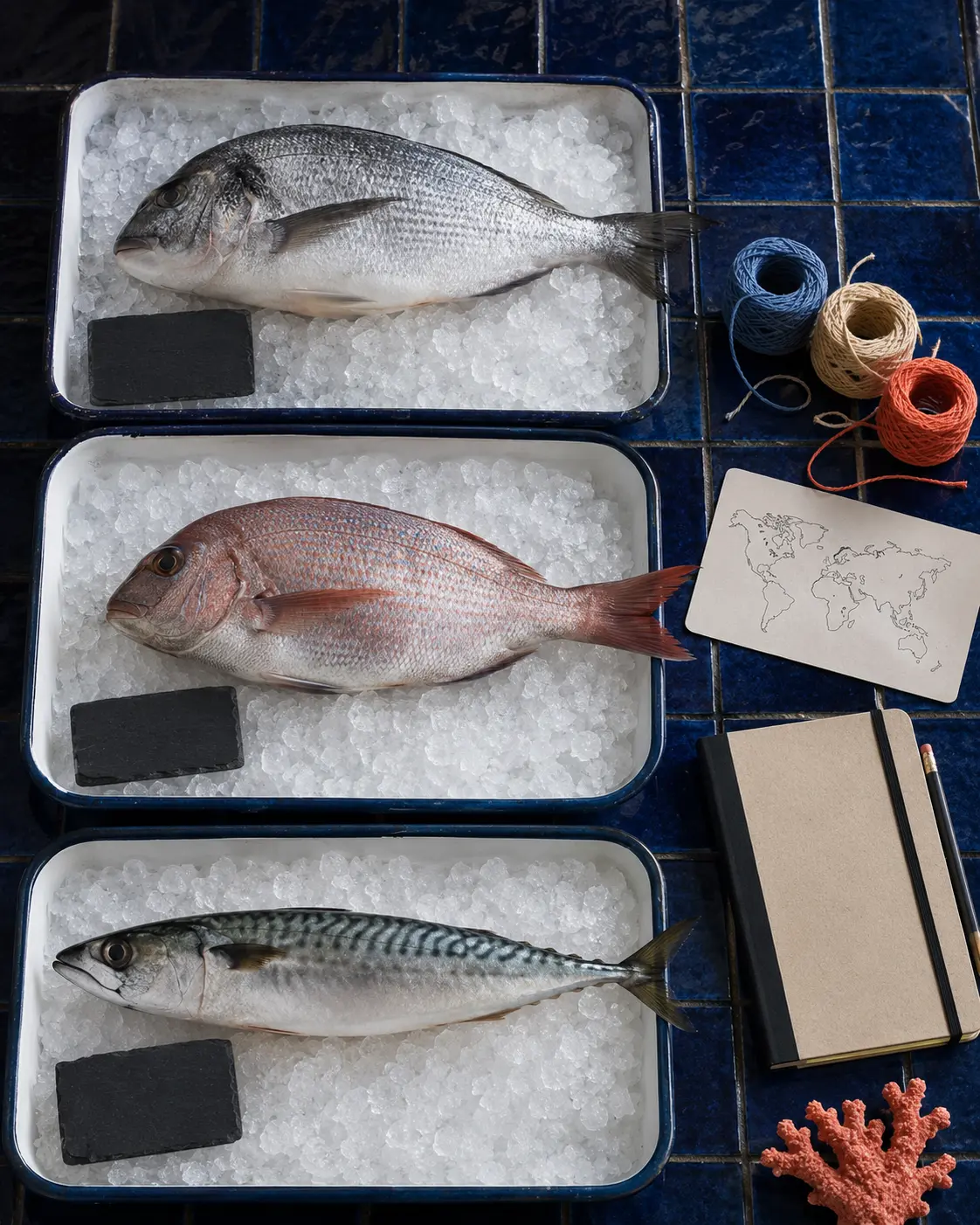
Why a seafood name is rarely enough
‘Sea bass’, ‘snapper’ or ‘prawn’ may sound precise while leaving the most useful facts unstated. Common names travel easily; species, source and production method carry the information a careful diner or buyer actually needs.
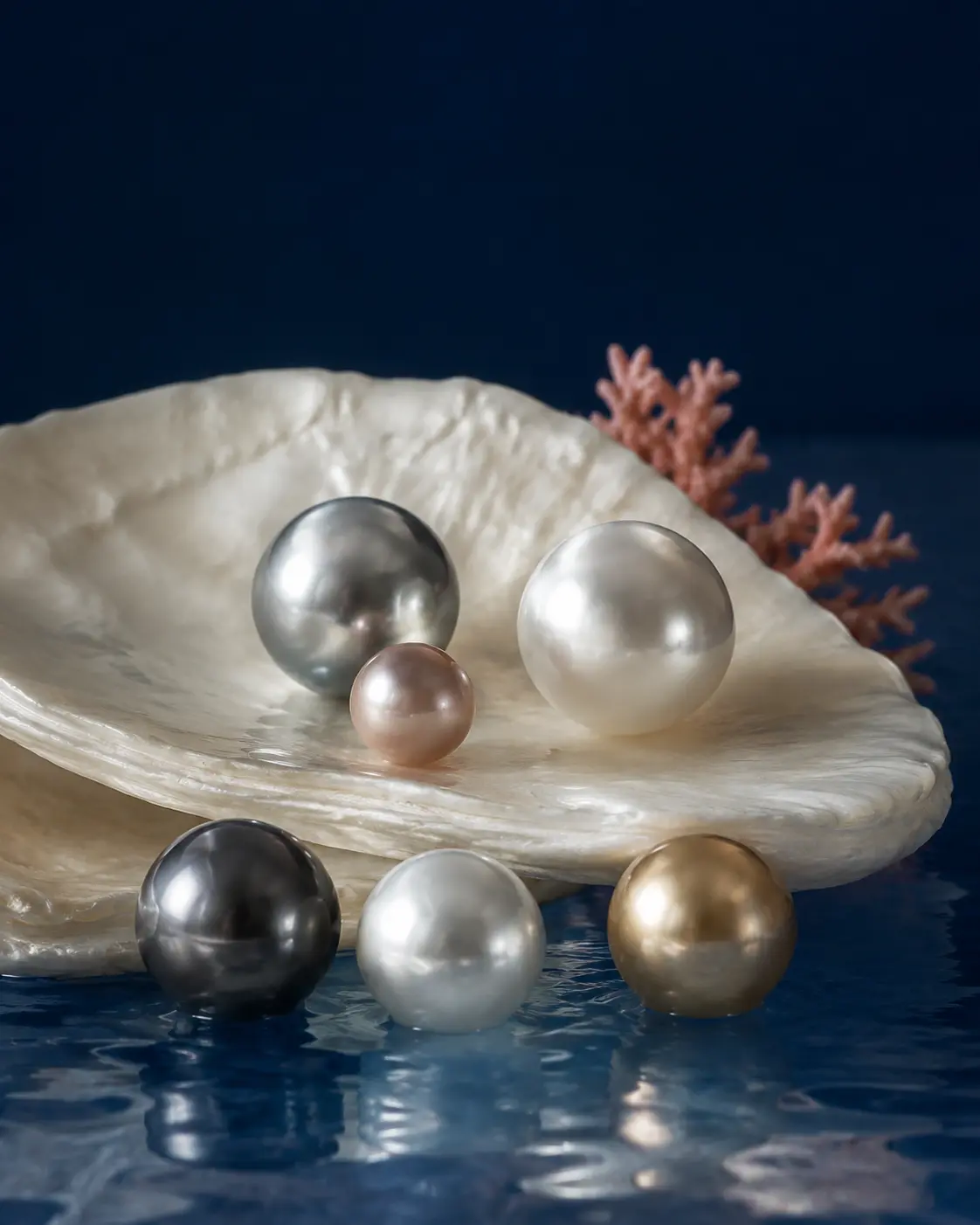
Why do some pearls glow more deeply than others?
A pearl does not need to be large, white or perfectly round to look alive. The quality you notice first is usually light—how cleanly it returns from the surface and how softly it appears to rise from within.
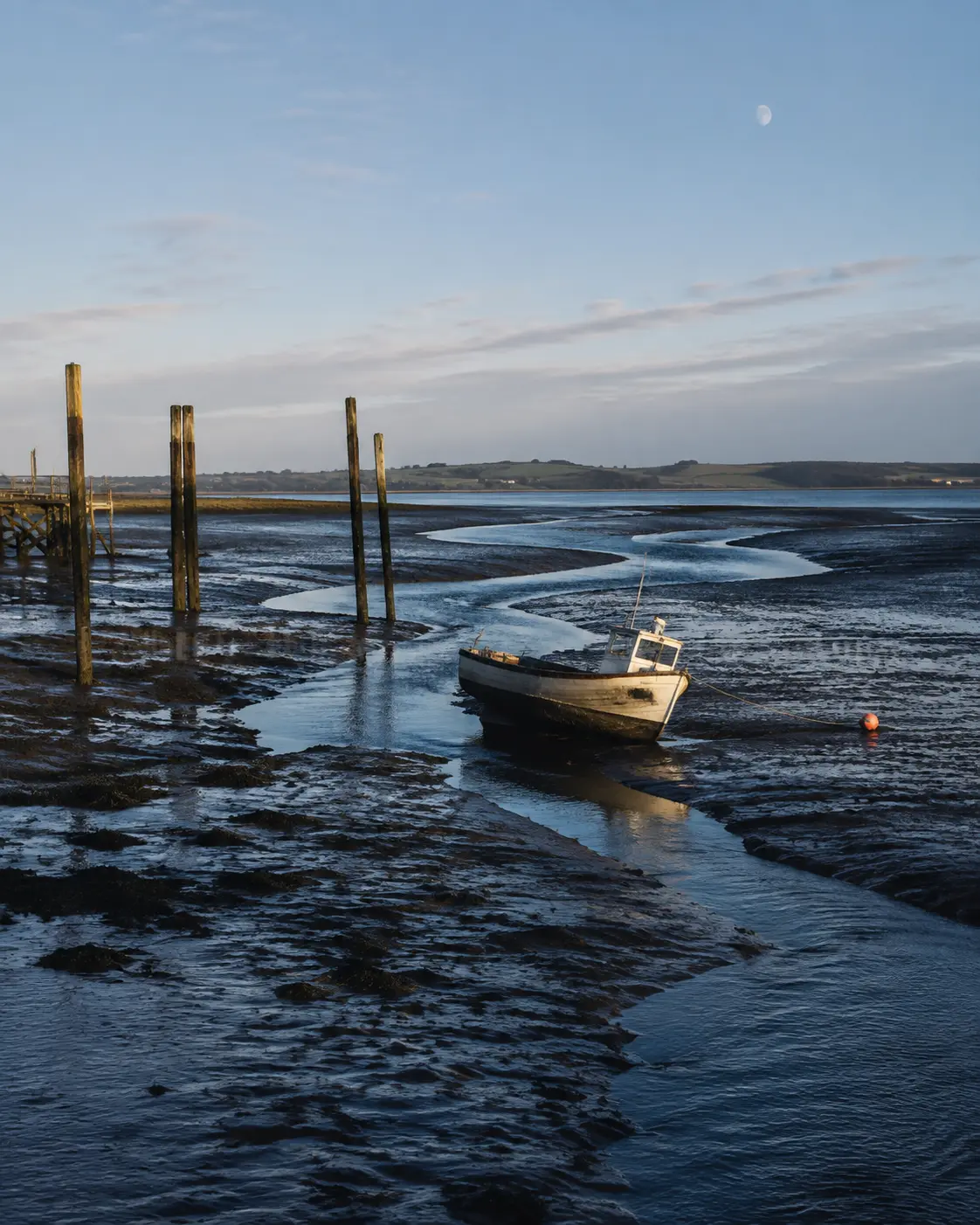
Why tides change the whole coastal day
A beach at breakfast may not be the same beach by late afternoon. Tides alter access, current, depth, feeding grounds and working hours, turning the coastal day into something planned with water rather than imposed upon it.
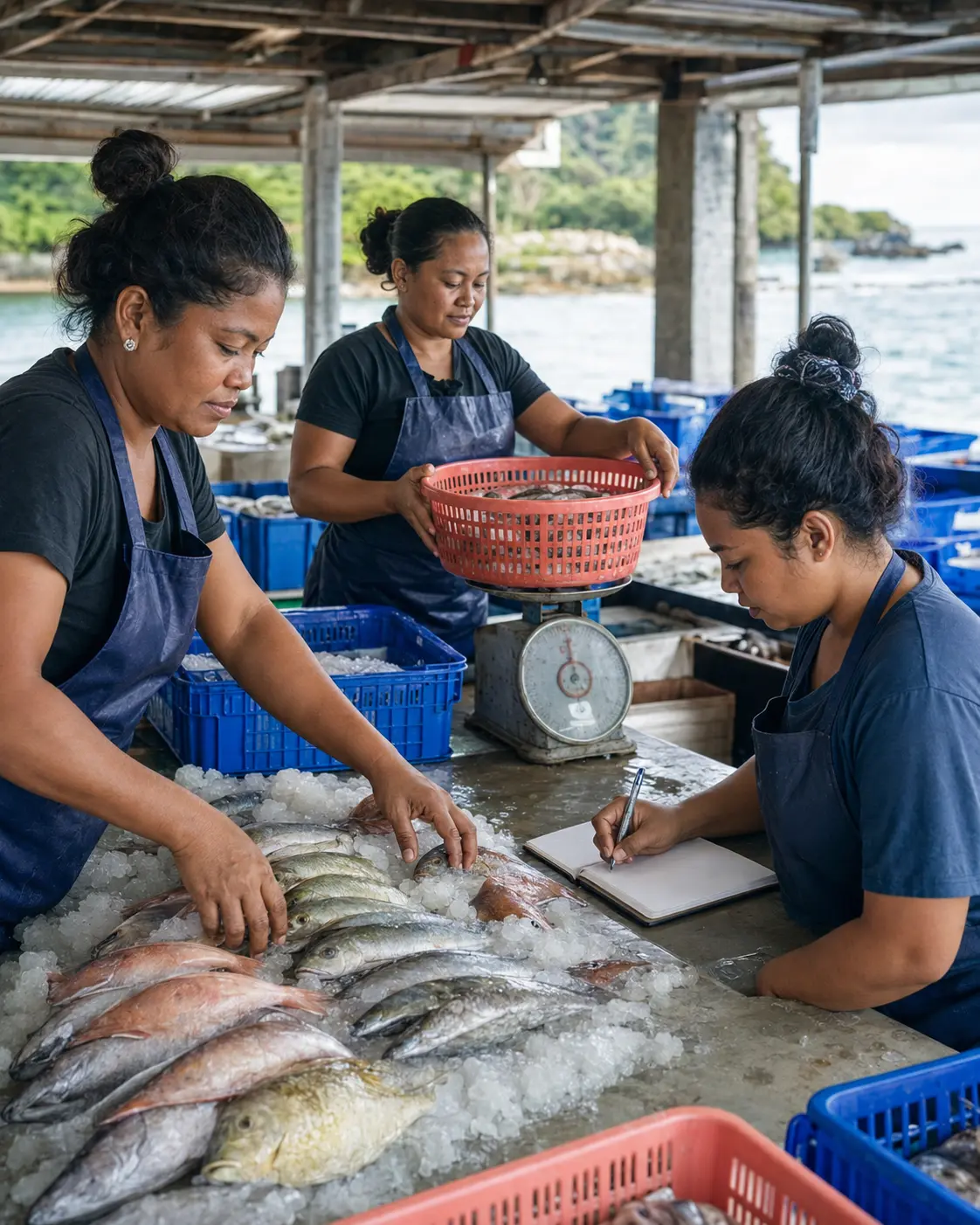
The women who hold small-scale fisheries together
The boat is the most photographed part of a fishery. Much of the system’s continuity may sit elsewhere—with women processing, trading, repairing, financing, organizing and feeding communities before the catch reaches a formal market.
Useful by design
Trust is part of
the article—not a footnote.
Sources visible
Facts and data remain traceable to their origin.
Dates clear
Readers can see when information was checked.
Commerce disclosed
Affiliate, paid and editorial relationships stay distinct.
Corrections welcome
Every story invites useful feedback and amendment.
The Tide List