FAO Voluntary Guidelines for Small-Scale Fisheries
The internationally negotiated framework for sustainable small-scale fisheries and food security.
Read the FAO guidelines ↗The short story
More than
a name.
A catch can be counted in tonnes, but a fishing community cannot be understood by volume alone. The FAO guidelines widen the frame to rights, tenure, participation, gender, livelihoods and food security. They give readers a common reference point for asking whether a policy or project sees the people around the fishery as clearly as it sees the fish.
Why it is here
A useful starting point,
not a verdict.
The guidelines broaden assessment beyond catch to participation, tenure, gender, livelihoods and food security.
This listing is informational. It is not an endorsement, certification, ranking or guarantee. Independently confirm identity, credentials, licences, safety information, price, availability, terms and current operating status before acting.
The researched view
Then, now and
what can be verified next.
This section follows the named sources. If a future direction is not published by the source, it is not added here.
The first international instrument devoted to the sector
FAO describes the SSF Guidelines as the first international instrument dedicated entirely to small-scale fisheries. They emerged from a global bottom-up consultative process and place people, rights and livelihoods alongside fisheries management.
A framework now moving through national action
The current FAO platform connects the guidelines to implementation, partners, country work and National Plans of Action. Its themes include tenure, resource management, decent work, trade, gender equality, climate risk, Indigenous peoples and food security.
New research priorities are being set
FAO’s 2026 updates include work on new small-scale-fisheries research priorities and national implementation. The live opportunity is to follow where the guidelines become policy, training or locally measurable action.
Use the framework in dialogue and policy
The guidelines are designed for communities, governments, civil society and other actors to guide dialogue and action. The official site provides the instrument, implementation routes, publications and newsletter.
Questions worth carrying
Take these to
the source.
- 01
Begin with the organisation’s current publications, members, projects or country pages.
- 02
Distinguish network-level guidance from the current practice of an individual member or partner.
- 03
Confirm local conditions, contacts, participation rules and publication dates at the source.
Before you act
Use the listing
with context.
These checks are adapted to this kind of entry. The official source remains the place to confirm current details.
- 01
Begin with the organisation’s current publications, members, projects or country pages.
- 02
Distinguish network-level guidance from the current practice of an individual member or partner.
- 03
Confirm local conditions, contacts, participation rules and publication dates at the source.
Controlling source
Continue with
the official record.
Pass the intriguing part forward—then let the sourced profile do the explaining.
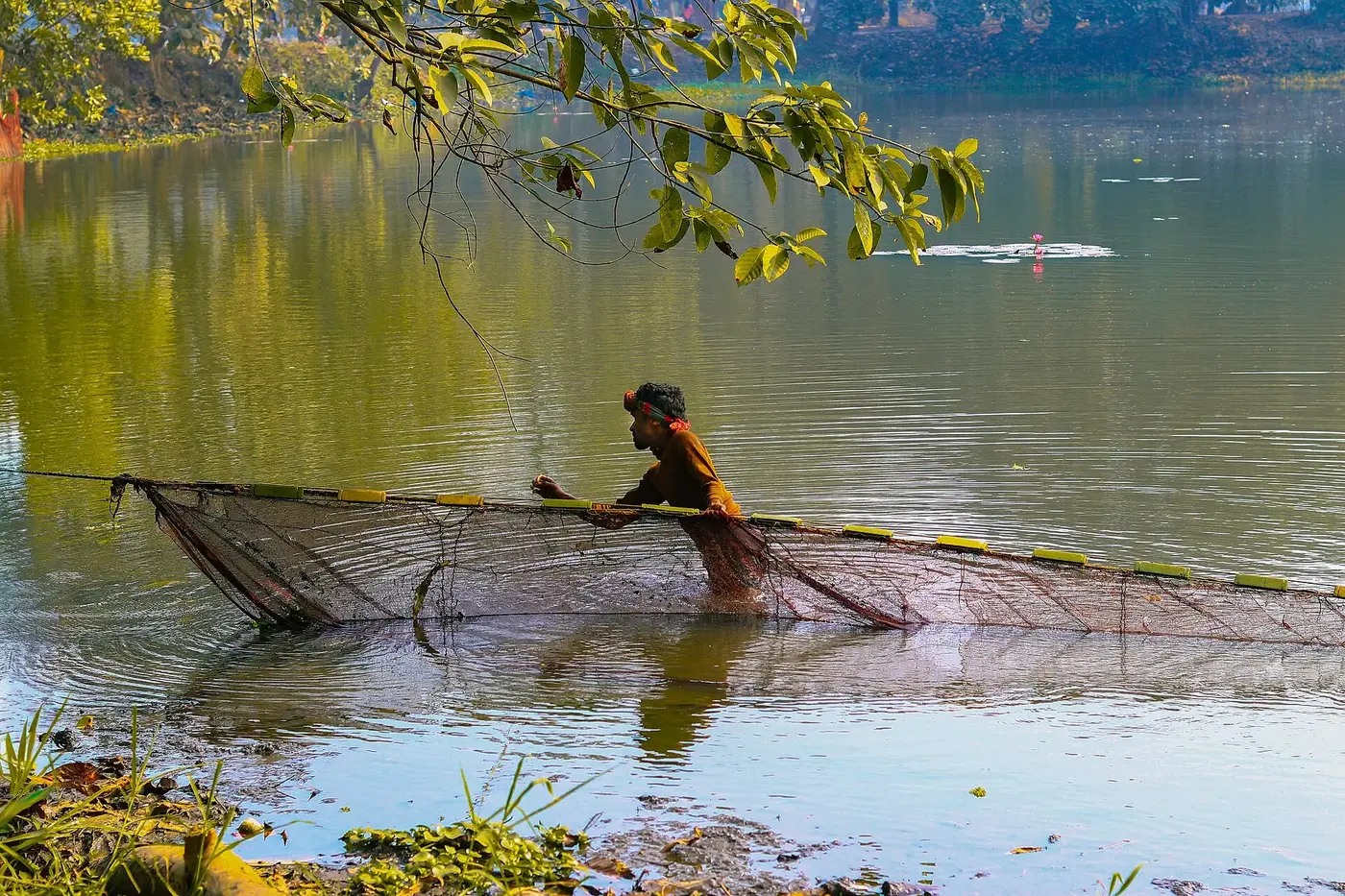
This fisheries framework begins with people—not fish.
Image: A S M Jobaer · CC BY-SA 4.0 · cropped, colour-adjusted and overlaid by Eightjune.com.
Ready to share
Made for personal and editorial sharing with Eight June attribution. Card copy is shortened; the listing and its named sources carry the full context.
Submit, claim or correct
Bring a useful name
into the blue.
Suggest a new listing, identify your relationship to an existing one, or send a correction. Every submission is reviewed before publication.
Payment cannot buy verification. Commercial relationships are labelled wherever they apply.