How · Yours
How can you enjoy a dark night sky without adding to light pollution?
A good night-sky visit starts with darkness: use less artificial light, shield what you need, choose warmer light and protect your own night vision.
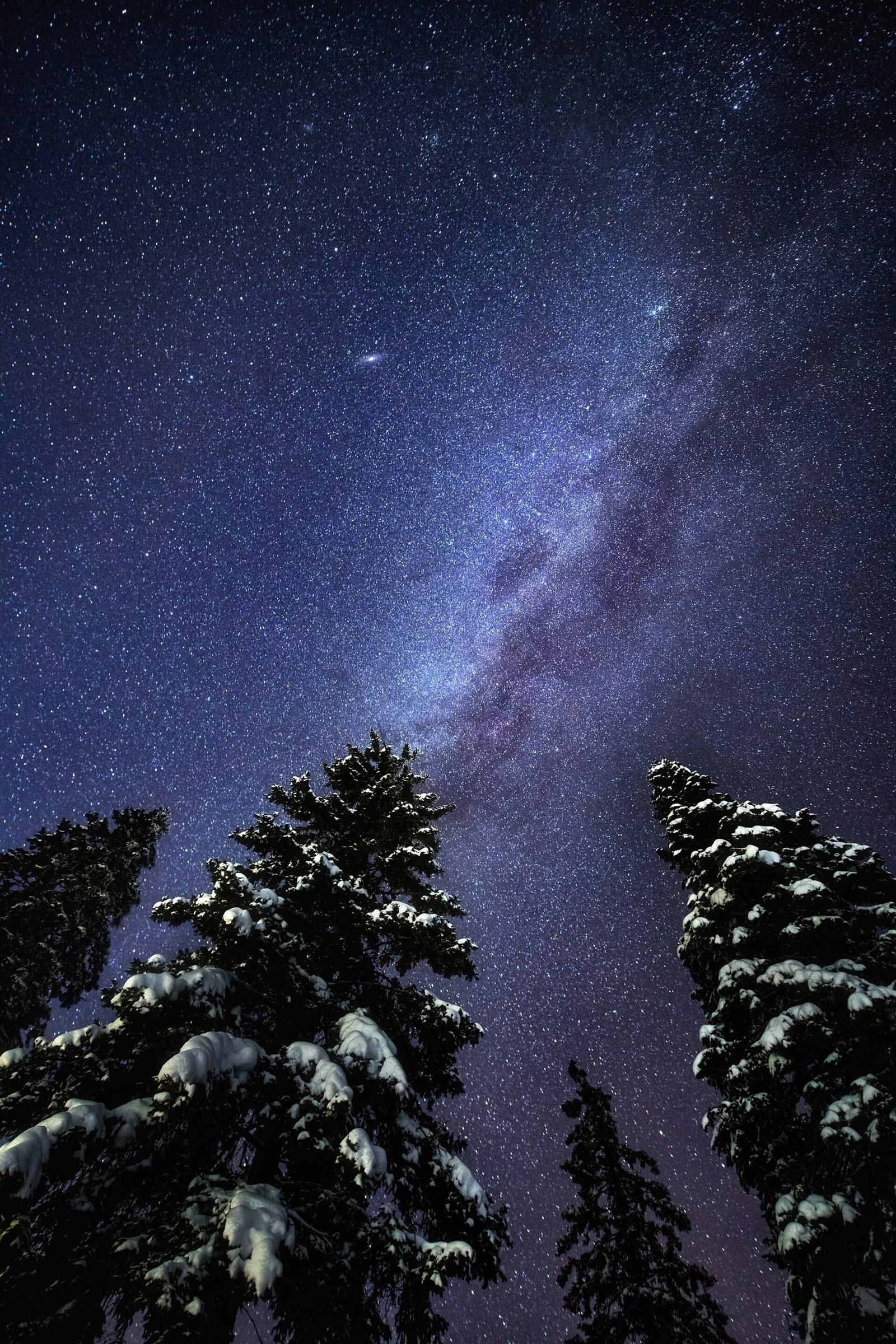
Darkness is part of the experience, not an absence to fix
The National Park Service treats natural darkness as a resource worth protecting. Artificial light can wash out stars and change the conditions that nocturnal wildlife uses for feeding, movement and orientation.
For a visitor, that means the goal is not zero safety lighting. It is enough light for the task, used for as little time and area as necessary.
Protect your night vision before reaching for more light
Bright light resets the eye’s adaptation to darkness. Keep screens dim, avoid sweeping a torch across other visitors, and use a low, warm light when illumination is necessary.
A darker-adapted eye often reveals more detail in the sky without adding equipment. Binoculars can help, but a clear view and time in darkness are already useful.
Plan around the place, weather and moon
Check the managing authority’s opening hours, access rules, weather, fire restrictions and night-sky programmes before travelling. A site that is excellent for stars may still be unsafe or closed after dark.
Moonlight is natural light and can be part of the experience. If faint stars or the Milky Way are the priority, compare the moon phase and rise/set times with the hours you can safely be on site.
Leave the night as dark as you found it
Keep vehicle lights, campsite lighting and photography illumination to the minimum needed. Shield lights downward and switch them off when the task is finished.
Dark-sky etiquette is shared-space etiquette: preserve other people’s vision, follow ranger or local instructions, and do not enter closed areas for a darker photograph.
Before you decide
Keep these five things with you.
- 01Check official after-dark access and weather before leaving
- 02Use the minimum light needed for the task
- 03Aim lights downward and away from other people
- 04Keep screens dim and allow time for dark adaptation
- 05Follow local wildlife, fire, trail and coastal-safety restrictions
How this story earns trust
Sources, method and relationship—visible.
Each reference is tagged by the geography and authority of the source. Country-specific evidence is never presented as a global rule.
Method
This Yours article was researched, drafted and organised by the Eight June AI-managed editorial workflow using current U.S. National Park Service night-sky guidance. It gives general low-impact recreation guidance, not site-specific safety advice; the managing authority for the place being visited controls access and safety.
Commercial relationship
Independent editorial. The National Park Service, parks, astronomy businesses and equipment makers did not pay for inclusion. No product is endorsed.
Correction or improvement
Found a mistake, a missing perspective or a source we should review? Send it to the editorial desk ↗
- 01Exploring Night Skies ↗
U.S. National Park Service. Official NPS overview of stargazing, events and dark-sky recreation guidance.
- 02Night Skies ↗
U.S. National Park Service. NPS programme context for natural darkness, light pollution and night-sky protection.
If this made you pause, pass the blue forward.
How can you enjoy a dark night sky without adding to light pollution?
Ready to share
Made for personal and editorial sharing with Eight June attribution. Facts are shortened for the card; the article carries the full context, method and sources.
Useful questions
Quick answers,
kept specific.
Do I need to turn off every light to stargaze responsibly?
No. Use the light needed for safety and the task, but keep it limited in brightness, direction, area and duration, and follow local rules.
Is a darker place automatically safe to visit at night?
No. Darkness can increase navigation, wildlife, weather and terrain risks. Check the site authority’s access and safety information before going.
Does moonlight count as light pollution?
No. Moonlight is natural. It can make faint stars harder to see, so its phase and timing are useful planning information.