Why · Essence
How can you waste less food at home without making meal planning complicated?
Start with what you already have, plan the meals you expect to eat at home, buy realistic quantities and freeze surplus before it is forgotten.
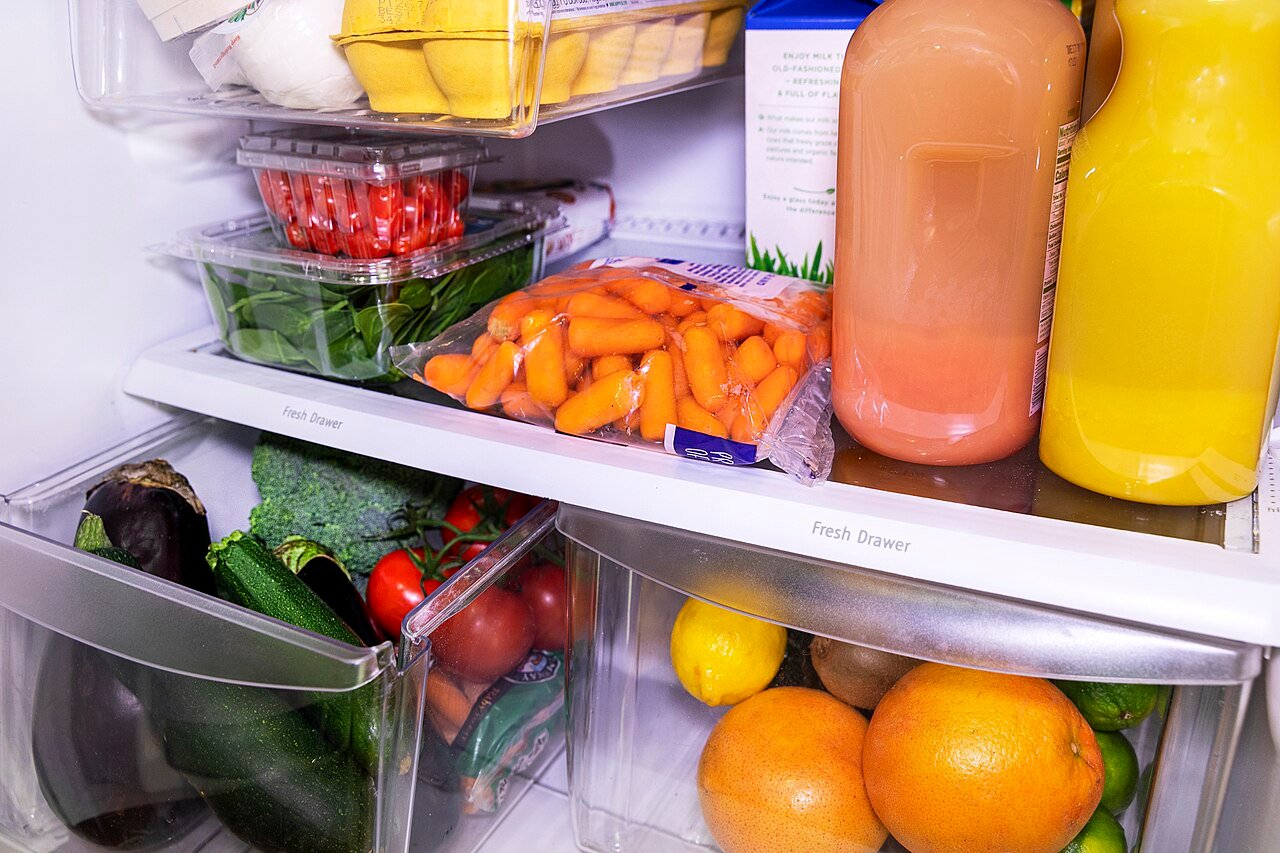
Preventing waste starts before the shopping basket
UNEP’s Food Waste Index Report 2024 estimates that 1.05 billion tonnes of food were wasted at retail, food-service and household level in 2022, with households responsible for 631 million tonnes.
EPA guidance starts with inventory and planning: look at what is already in the refrigerator, freezer and pantry, identify food that needs using, and plan the meals you expect to eat at home before making a list.
Buy for real meals, not an ideal week
A useful shopping list connects quantities to meals. EPA recommends considering how often you will eat out, whether leftovers will cover another meal and how much of each ingredient you actually need.
Large packs and promotions only reduce cost per unit when the food is eventually used.
Make the next-to-use food easy to notice
Label containers with contents and dates, keep a simple use-first list, and move food you intend to eat soon into a visible place.
EPA also recommends using the freezer for suitable bread, fruit, meat or leftovers that will not be eaten in time. Follow relevant official food-safety guidance for specific foods.
Use leftovers while they are still safe
EPA suggests repurposing suitable produce, ingredients and leftovers in dishes such as soups, casseroles, sauces or smoothies.
Prevention comes before disposal. Local food-safety and waste rules still control what is appropriate where you live.
Before you decide
Keep these five things with you.
- 01Check the refrigerator, freezer and pantry before shopping
- 02Plan around food that needs using first
- 03Write quantities against meals instead of buying by habit
- 04Label leftovers and freeze surplus before it is forgotten
- 05Follow official food-safety guidance for storage and leftovers
How this story earns trust
Sources, method and relationship—visible.
Each reference is tagged by the geography and authority of the source. Country-specific evidence is never presented as a global rule.
Method
This Essence article was researched, drafted, organised and editorially reviewed by the Eight June AI-managed workflow using UNEP’s global Food Waste Index Report 2024 and current U.S. EPA wasted-food prevention guidance.
Commercial relationship
Independent editorial. UNEP, the U.S. EPA, food retailers, appliance makers and waste services did not pay for inclusion. No product or service is endorsed.
Correction or improvement
Found a mistake, a missing perspective or a source we should review? Send it to the editorial desk ↗
- 01Food Waste Index Report 2024 ↗
United Nations Environment Programme. Global food-waste estimates and household share.
- 02Preventing Wasted Food At Home ↗
U.S. Environmental Protection Agency. Official household planning, shopping, storage and preparation guidance.
- 03Prevent Wasted Food Through Source Reduction ↗
U.S. Environmental Protection Agency. EPA’s prevention-first position in the Wasted Food Scale.
If this made you pause, pass the blue forward.
How can you waste less food at home without making meal planning complicated?
Ready to share
Made for personal and editorial sharing with Eight June attribution. Facts are shortened for the card; the article carries the full context, method and sources.
Useful questions
Quick answers,
kept specific.
Do I need a detailed weekly meal plan to reduce food waste?
No. Check what you already have, identify food that needs using and buy only for the meals you realistically expect to eat at home.
Is buying a larger pack always less wasteful?
No. A larger pack only helps if you use or safely preserve the food before it spoils.
Should I rely on appearance to decide whether leftovers are safe?
No. Follow relevant official food-safety guidance for storage time, temperature and handling.