What · Pulse
What makes a harbour seiche different from a tide?
Not every rise and fall in a harbour is the tide. A seiche describes water oscillating within a basin, sometimes after the weather that started it has passed.
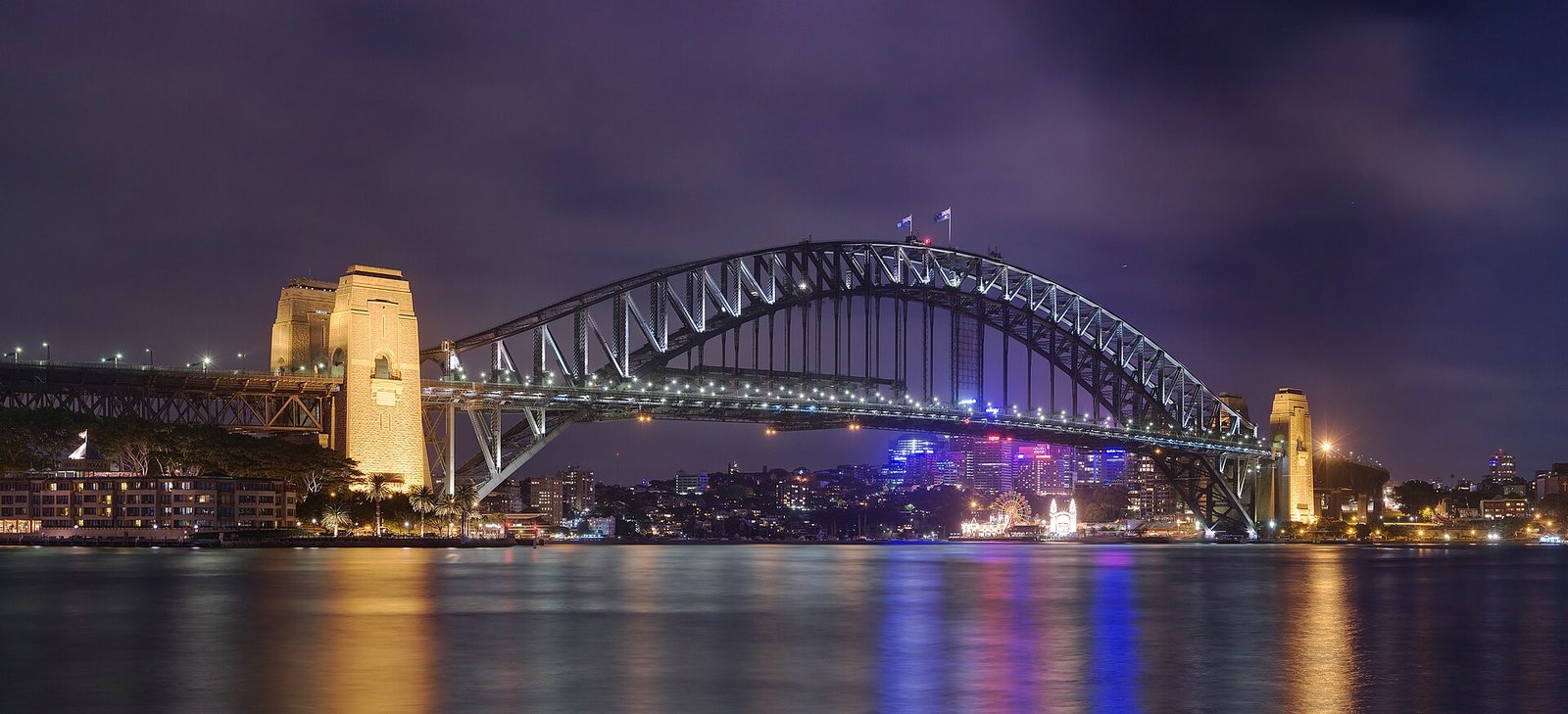
The harbour can have its own rhythm
Picture water sloshing in a basin rather than a crest travelling steadily towards a beach. NOAA describes a seiche as a standing wave. Its explanation includes bays and ocean harbours, as well as inland examples. The key idea is the repeated oscillation within a bounded body of water. It is a description of motion, not another name for the regular high and low tide.
A disturbance can start the motion
Strong winds and changes in atmospheric pressure can displace water. When the forcing changes, the water can rebound and continue moving. NOAA notes that seiches may persist for hours or days. This explains why the initiating weather and the later oscillation need not be simultaneous. It does not mean every post-storm fluctuation is a seiche.
Tide and seiche are different questions
NOAA’s tide explanation traces the ocean’s long-period tidal waves to the forces of the Moon and Sun. High and low tide describe their changing surface level at a location. The Canadian Hydrographic Service, by contrast, describes a seiche as a basin’s free oscillation at its natural period. Its account distinguishes that free motion from a tidal response amplified by resonance. Similar-looking rises and falls can therefore have different explanations.
Read the prediction with its limits in mind
The Canadian Hydrographic Service states that its tidal predictions do not include non-tidal effects, although they include average seasonal water-level change. A predicted tide and an observed level answer related questions, but they are not interchangeable. Before comparing a local observation with a table, check the location, time reference and the issuing service’s notes.
For a harbour visit, this is a reason to consult current local information, rather than to name a wave from a photograph. Use harbour-authority notices, weather information and any official warnings for decisions on the day. This explainer cannot diagnose an event or establish that a quay, beach or vessel movement is safe.
Before you decide
Keep these five things with you.
- 01A seiche is an oscillation within a basin, including some bays and harbours.
- 02The astronomical tide and a seiche are different processes.
- 03The weather that starts an oscillation may pass before the motion ends.
- 04Check what non-tidal effects the issuing service’s predictions include or exclude.
- 05Use current local notices and warnings for decisions; a photograph cannot diagnose an event.
How this story earns trust
Sources, method and relationship—visible.
Each reference is tagged by the geography and authority of the source. Country-specific evidence is never presented as a global rule.
Method
Researched and drafted by AI from the linked NOAA and Canadian Hydrographic Service sources. A separate AI editorial read-back checked the distinction between tide and seiche, source scope, duplicate subjects, image provenance and the five Share Studio cards on 23 October 2026. No human review is claimed. This is coastal discovery information, not event diagnosis, a marine forecast or navigation advice.
Commercial relationship
Independent editorial information. Any affiliate links or paid placements will be clearly labelled where they appear.
Correction or improvement
Found a mistake, a missing perspective or a source we should review? Send it to the editorial desk ↗
- 01What is a seiche? ↗
NOAA National Ocean Service. Standing-wave explanation, enclosed and partly enclosed basins, weather triggers and persistence.
- 02What are tides? ↗
NOAA National Ocean Service. The astronomical forces associated with tidal waves and high and low tide.
- 03Tidal phenomena · seiches and non-tidal influences ↗
Canadian Hydrographic Service. Free basin oscillation, resonance distinction and the stated limits of Canadian tidal predictions.
If this made you pause, pass the blue forward.
What makes a harbour seiche different from a tide?
Ready to share
Made for personal and editorial sharing with Eight June attribution. Facts are shortened for the card; the article carries the full context, method and sources.
Useful questions
Quick answers,
kept specific.
Can a seiche happen in a sea harbour?
Yes. NOAA includes ocean harbours among the places where seiches can occur.
Does every water-level change come from the tide?
No. The astronomical tide is one influence; weather and basin oscillations can also affect the observed level.
Can this article tell me whether a harbour is safe?
No. Consult current information and instructions from the responsible local authority for the activity you are considering.