What · Pulse
What does UNESCO recognition of washi actually cover?
UNESCO recognition is about living hand-made papermaking knowledge and the communities that transmit it—not a blanket certification for every product sold as washi.
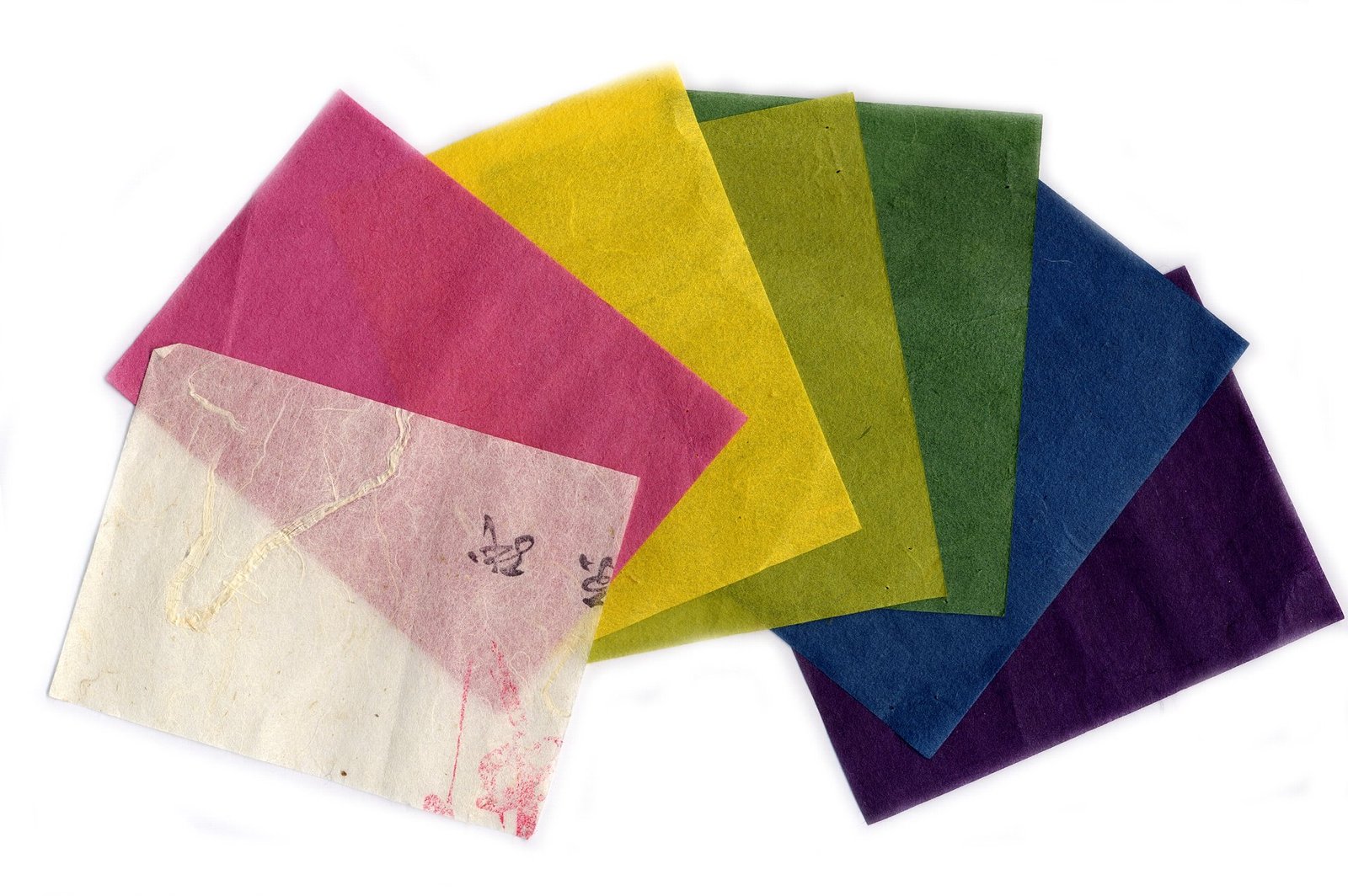
The recognition is for a living craft, not a shopping label
UNESCO describes washi craftsmanship as a traditional practice of making paper by hand using fibres of the paper mulberry plant. The process it outlines includes separating the fibres, soaking them in clear river water and filtering them through a bamboo screen.
That wording matters for buyers and visitors. An Intangible Cultural Heritage inscription recognises knowledge, skills and community transmission. It does not function as a certification mark for every commercial product carrying the word ‘washi’.
The 2025 inscription expanded an earlier UNESCO record
UNESCO’s Intergovernmental Committee inscribed the current, extended nomination in 2025 and states that it incorporates and replaces the washi inscription previously recorded in 2014. The earlier 2014 record focused on three communities: Misumi-cho in Hamada City, Mino City, and Ogawa Town/Higashi-chichibu Village.
The 2025 decision notes newly joining communities and describes the extension as a national extension. So an older article that says UNESCO recognition is limited only to the three communities named in 2014 is no longer a complete description of the current inscription.
Transmission is part of what UNESCO is recognising
UNESCO says knowledge and skills are transmitted within families of washi craftspeople, through preservation associations and by local municipalities. Practising families and employees learn under masters, while community participation extends from cultivating and harvesting mulberry to creating new washi products.
This makes provenance more useful than a broad heritage claim. For a particular object, ask who made it, where it was made, what fibre and process were used, and whether the seller can connect those claims to the maker or community.
Use UNESCO to understand context, then verify the actual object
UNESCO’s record is a strong source for the cultural practice and its safeguarding. It should not be stretched into claims about the composition, durability, environmental performance, authenticity or origin of a specific commercial sheet unless those claims have their own evidence.
For a purchase, separate two questions: what does UNESCO recognise about the craft, and what can the seller document about this particular product? Keeping those questions apart respects both the heritage and the buyer.
Before you decide
Keep these five things with you.
- 01Check whether a seller names the maker or production community
- 02Ask what fibre or fibres are used rather than relying on the word ‘washi’ alone
- 03Look for a description of the hand-making process when traditional production is part of the claim
- 04Treat UNESCO status as recognition of cultural heritage, not as product certification
- 05Use current UNESCO records because the washi inscription was extended in 2025
How this story earns trust
Sources, method and relationship—visible.
Each reference is tagged by the geography and authority of the source. Country-specific evidence is never presented as a global rule.
Method
This Pulse article was researched, drafted, organised and editorially reviewed by the Eight June AI-managed workflow against UNESCO’s current Intangible Cultural Heritage record and the 2025 Committee decision. It distinguishes heritage recognition from product-level claims and does not authenticate any commercial washi object.
Commercial relationship
Independent editorial. UNESCO, Japanese authorities, papermakers and retailers did not pay for inclusion. Mention of UNESCO status is not an Eight June certification, endorsement or purchasing recommendation.
Correction or improvement
Found a mistake, a missing perspective or a source we should review? Send it to the editorial desk ↗
- 01Washi, craftsmanship of traditional Japanese hand-made paper ↗
UNESCO Intangible Cultural Heritage. Current inscription, process description and transmission context.
- 02Decision 20.COM 7.b.51 ↗
UNESCO Intangible Cultural Heritage. 2025 decision extending the inscription and replacing the 2014 record.
- 03Decision 9.COM 10.22 ↗
UNESCO Intangible Cultural Heritage. 2014 decision identifying the three communities covered by the earlier inscription.
If this made you pause, pass the blue forward.
What does UNESCO recognition of washi actually cover?
Ready to share
Made for personal and editorial sharing with Eight June attribution. Facts are shortened for the card; the article carries the full context, method and sources.
Useful questions
Quick answers,
kept specific.
Does UNESCO certify products sold as washi?
No. The inscription recognises the living cultural practice and its transmission; it is not a product certification scheme.
Was washi first added to UNESCO’s Representative List in 2025?
No. The current 2025 inscription is an extension that incorporates and replaces the 2014 washi inscription, which itself replaced an earlier Sekishu-Banshi inscription.
What should I verify when buying something described as traditional washi?
Ask for the maker or community, fibre, production method and origin of the specific item, and keep those product claims separate from the broader UNESCO heritage status.