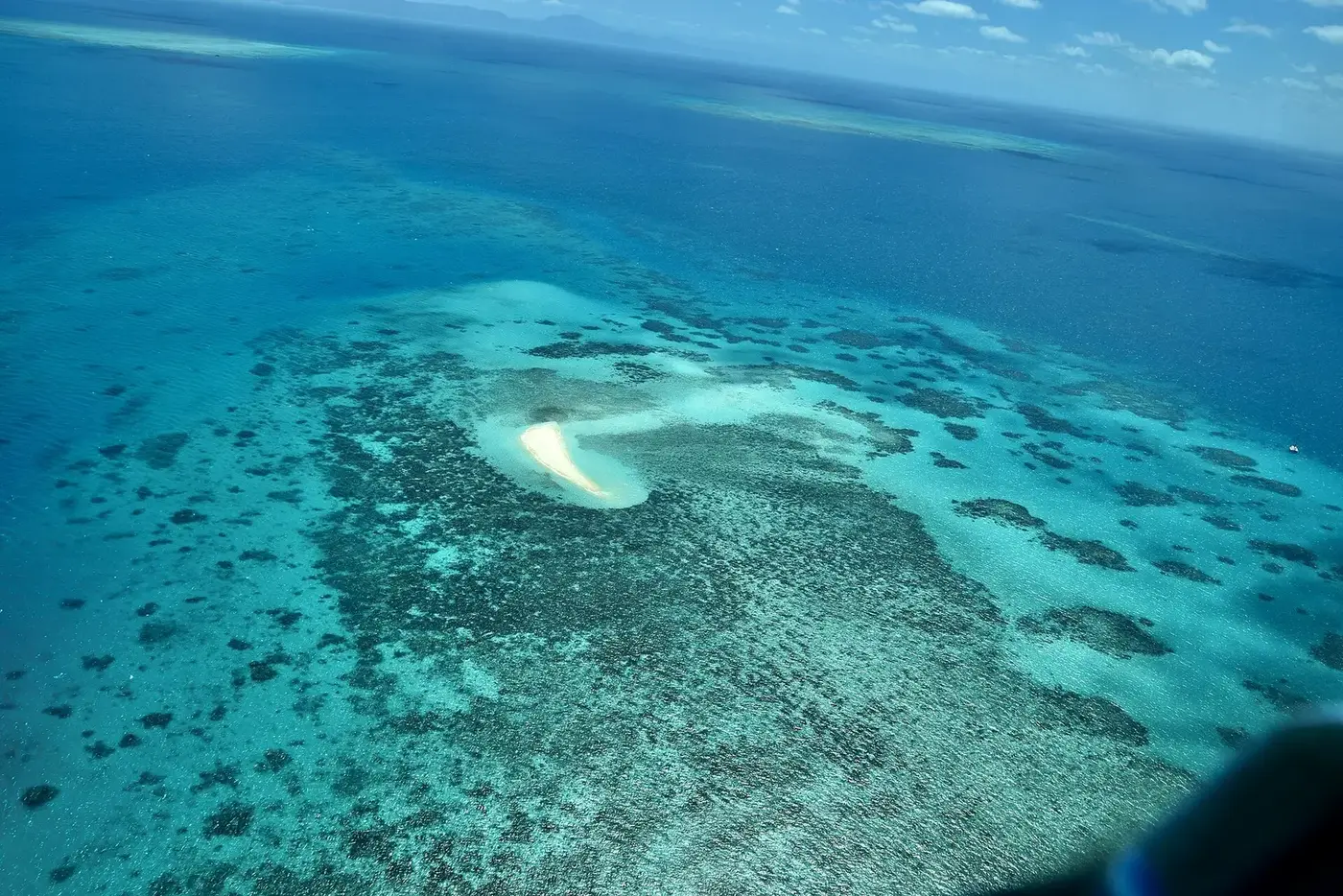
Great Barrier Reef Visitor Guidance
The marine-park authority publishes responsible visitor and activity guidance.
Visit the marine-park authority ↗Image: Eightjune.com editorial image · See Media Library attachment details.
The short story
More than
a name.
The Great Barrier Reef can inspire a journey long before a traveller understands how access is managed. The marine-park authority turns that inspiration into practical responsibility through visitor and activity guidance. It is the place to begin before choosing an operator, because permitted activities, conditions and suitability matter as much as the image that first drew someone there.
Why it is here
A useful starting point,
not a verdict.
The official guidance helps visitors choose permitted activities and suitable operators for their ability and the day's conditions.
This listing is informational. It is not an endorsement, certification, ranking or guarantee. Independently confirm identity, credentials, licences, safety information, price, availability, terms and current operating status before acting.
The researched view
Then, now and
what can be verified next.
This section follows the named sources. If a future direction is not published by the source, it is not added here.
A World Heritage reef managed for many uses
The Reef Authority describes the Great Barrier Reef as the world’s largest coral-reef ecosystem and the Marine Park as a multiple-use area with deep ecological, cultural and heritage values.
The visit is shaped by zones and operators
Current official guidance covers planning, ways to visit, responsible reef practices, location-specific rules and zoning. Each zone can allow, prohibit or require permits for different activities.
Interpretation is part of protection
The Authority currently identifies Master Reef Guides and High Standard Tourism Operators as routes to reef interpretation and ecologically sustainable experiences. These live programmes give visitors a practical way to connect enjoyment with stewardship.
Build the trip from the rules outward
Choose a location and activity, read its zoning and special rules, then check suitable operators and current conditions. Visitors can also report incidents or suspected offences through the Authority.
Questions worth carrying
Take these to
the source.
- 01
Check current access rules, permits, seasons, closures and weather or tide conditions.
- 02
Use an authorised local operator or guide where the responsible authority requires one.
- 03
Confirm fitness, accessibility, equipment, insurance and emergency arrangements for your visit.
Before you act
Use the listing
with context.
These checks are adapted to this kind of entry. The official source remains the place to confirm current details.
- 01
Check current access rules, permits, seasons, closures and weather or tide conditions.
- 02
Use an authorised local operator or guide where the responsible authority requires one.
- 03
Confirm fitness, accessibility, equipment, insurance and emergency arrangements for your visit.
Controlling source
Continue with
the official record.
Pass the intriguing part forward—then let the sourced profile do the explaining.
The reef is open to wonder—but not every activity belongs in every zone.
Image: Eightjune.com editorial image · See Media Library attachment details · cropped, colour-adjusted and overlaid by Eightjune.com.
Ready to share
Made for personal and editorial sharing with Eight June attribution. Card copy is shortened; the listing and its named sources carry the full context.
Continue exploring
Related names
in the blue.
More considered entries connected through the same Eight June world.
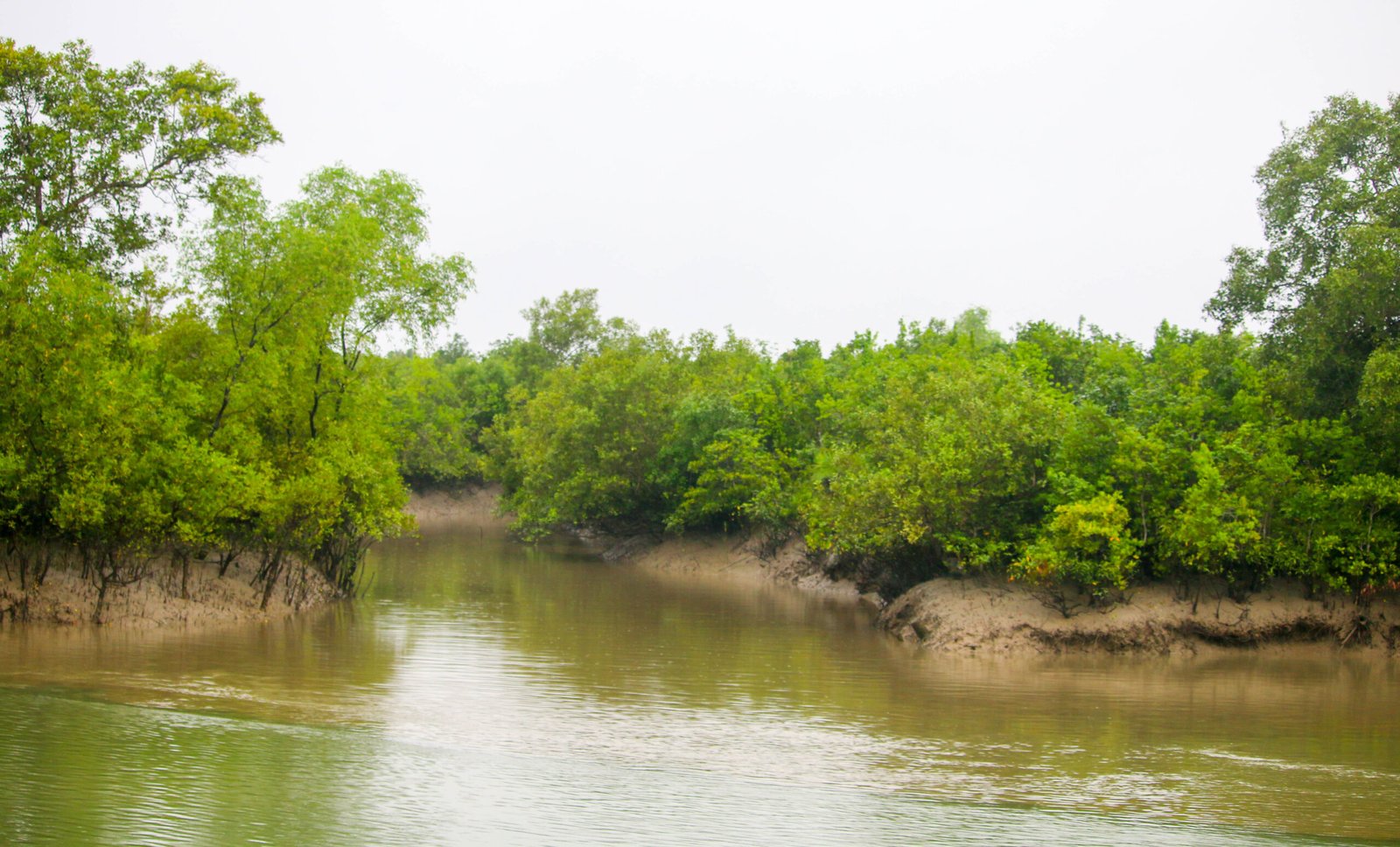
The Sundarbans
Ganges-Brahmaputra-Meghna delta · Bay of Bengal · Bangladesh
A Bay of Bengal mangrove forest cut by tidal waterways, mudflats and salt-tolerant islands where river sediment, tides and marine influence create a shifting estuarine landscape.
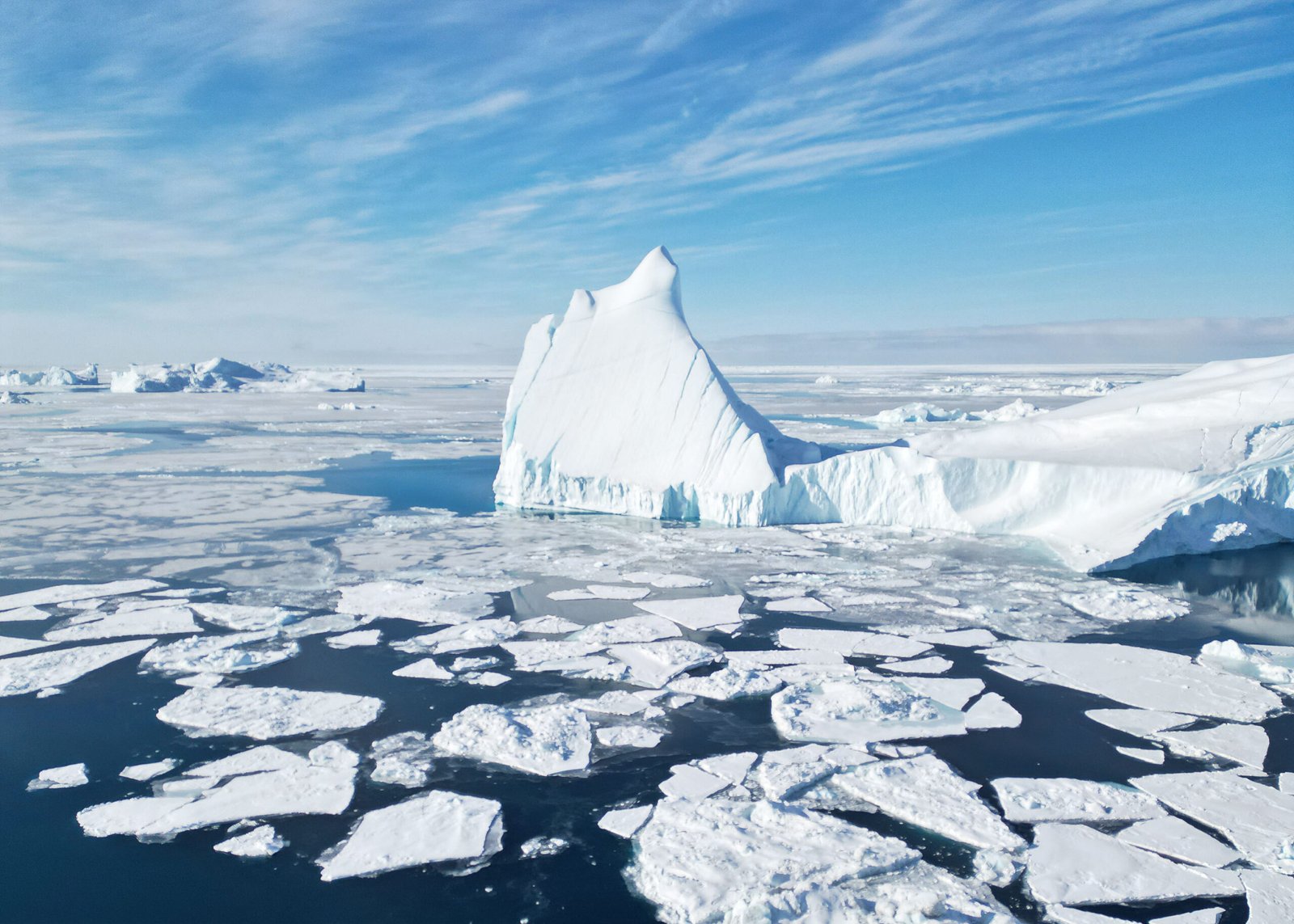
Ilulissat Icefjord
Disko Bay · West Greenland · Arctic
An Arctic tidal fjord where Sermeq Kujalleq calves immense quantities of ice from the Greenland ice sheet into seawater, filling the fjord with brash ice and icebergs.
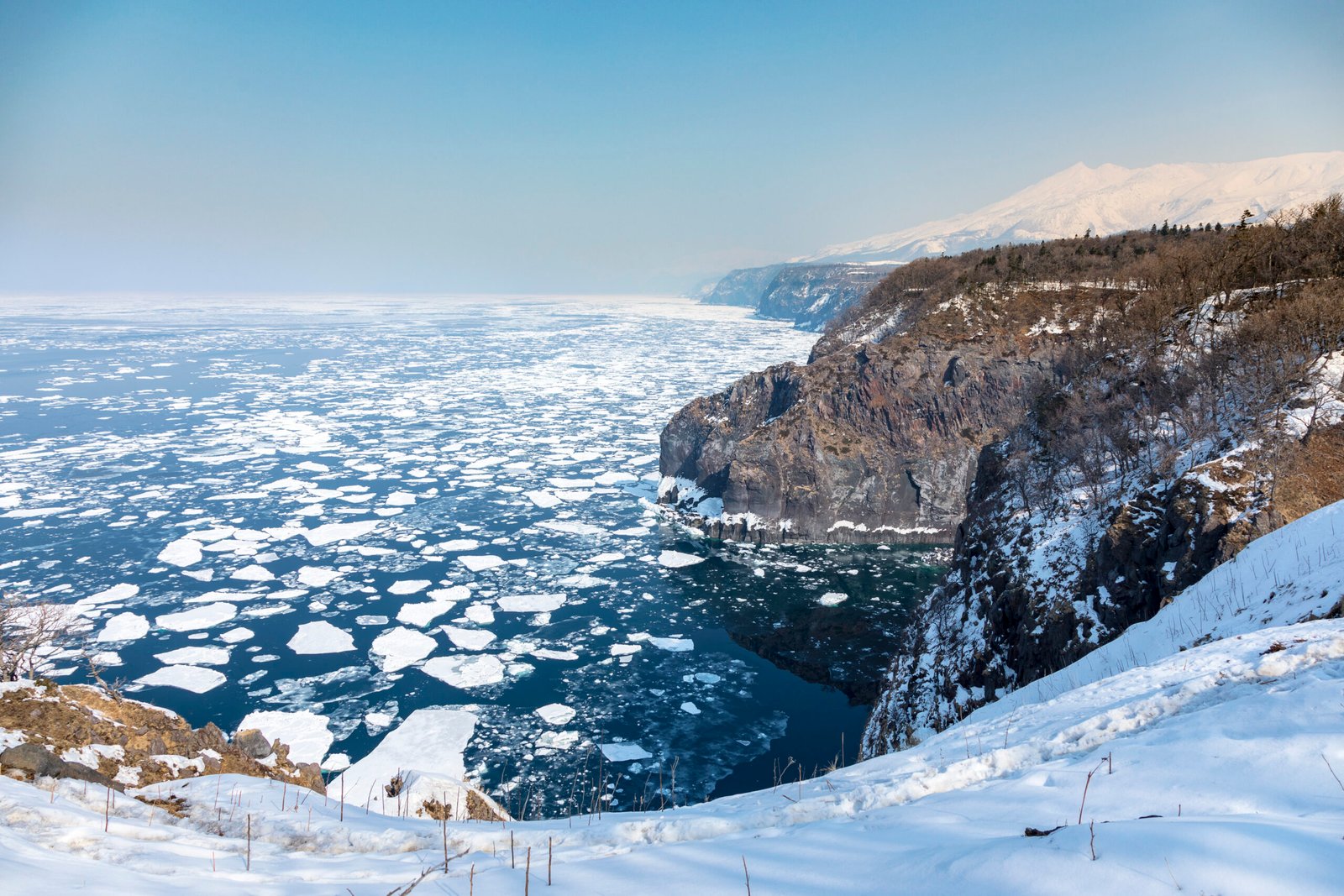
Shiretoko
Hokkaido · Sea of Okhotsk · Japan
A Sea of Okhotsk peninsula and surrounding marine area where seasonal sea ice drives a highly productive food web linking plankton, fish, seabirds, marine mammals, rivers and forest wildlife.
Submit, claim or correct
Bring a useful name
into the blue.
Suggest a new listing, identify your relationship to an existing one, or send a correction. Every submission is reviewed before publication.
Payment cannot buy verification. Commercial relationships are labelled wherever they apply.