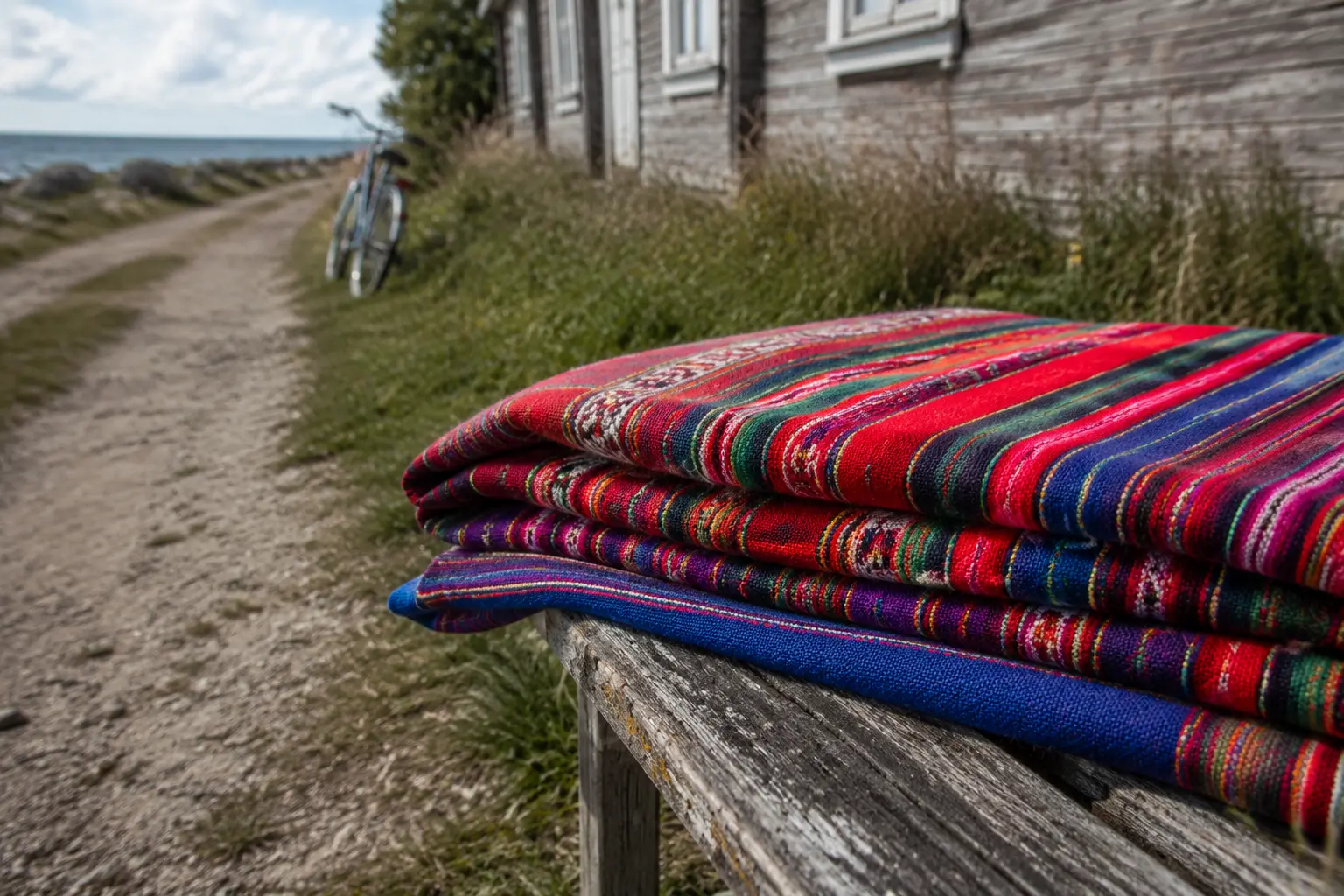
Kihnu Cultural Space
A UNESCO-recognised Baltic island cultural space where woollen clothing, handicrafts, language, music and ceremonies remain connected to community life.
Open the UNESCO record ↗Image: Eightjune.com editorial image · See Media Library attachment details.
The short story
More than
a name.
A UNESCO-recognised Baltic island cultural space where woollen clothing, handicrafts, language, music and ceremonies remain connected to community life. It restores cultural authorship to Kihnu’s visible striped textiles and helps readers ask about maker, place, technique and living use.
Why it is here
A useful starting point,
not a verdict.
It restores cultural authorship to Kihnu’s visible striped textiles and helps readers ask about maker, place, technique and living use.
This listing is informational. It is not an endorsement, certification, ranking or guarantee. Independently confirm identity, credentials, licences, safety information, price, availability, terms and current operating status before acting.
The researched view
Then, now and
what can be verified next.
This section follows the named sources. If a future direction is not published by the source, it is not added here.
Island life made women central custodians
UNESCO links Kihnu’s distinctive culture to island community life and notes that women became principal custodians of traditions while men historically spent long periods at sea.
Striped wool remains the visible edge
Woollen handicrafts and women’s clothing remain highly visible, but the UNESCO record holds them alongside language, music, games, dance, weddings and community practice. The Kihnu Cultural Space Foundation states that it works to preserve and develop the heritage.
Put attribution before aesthetics
Learn from practitioner-connected sources and ask who made a textile, where, with which material and technique. UNESCO inscription does not authenticate an individual garment.
Questions worth carrying
Take these to
the source.
- 01
Use the heritage record for cultural context, terminology and safeguarding information.
- 02
Do not treat recognition of a tradition as verification of an individual seller or product.
- 03
Ask a commercial seller about maker identity, origin, materials, process and benefit to practitioners.
Before you act
Use the listing
with context.
These checks are adapted to this kind of entry. The official source remains the place to confirm current details.
- 01
Use the heritage record for cultural context, terminology and safeguarding information.
- 02
Do not treat recognition of a tradition as verification of an individual seller or product.
- 03
Ask a commercial seller about maker identity, origin, materials, process and benefit to practitioners.
Controlling source
Continue with
the official record.
Pass the intriguing part forward—then let the sourced profile do the explaining.
The stripes catch the eye; the island culture tells you what they carry.
Image: Eightjune.com editorial image · See Media Library attachment details · cropped, colour-adjusted and overlaid by Eightjune.com.
Ready to share
Made for personal and editorial sharing with Eight June attribution. Card copy is shortened; the listing and its named sources carry the full context.
Continue exploring
Related names
in the blue.
More considered entries connected through the same Eight June world.
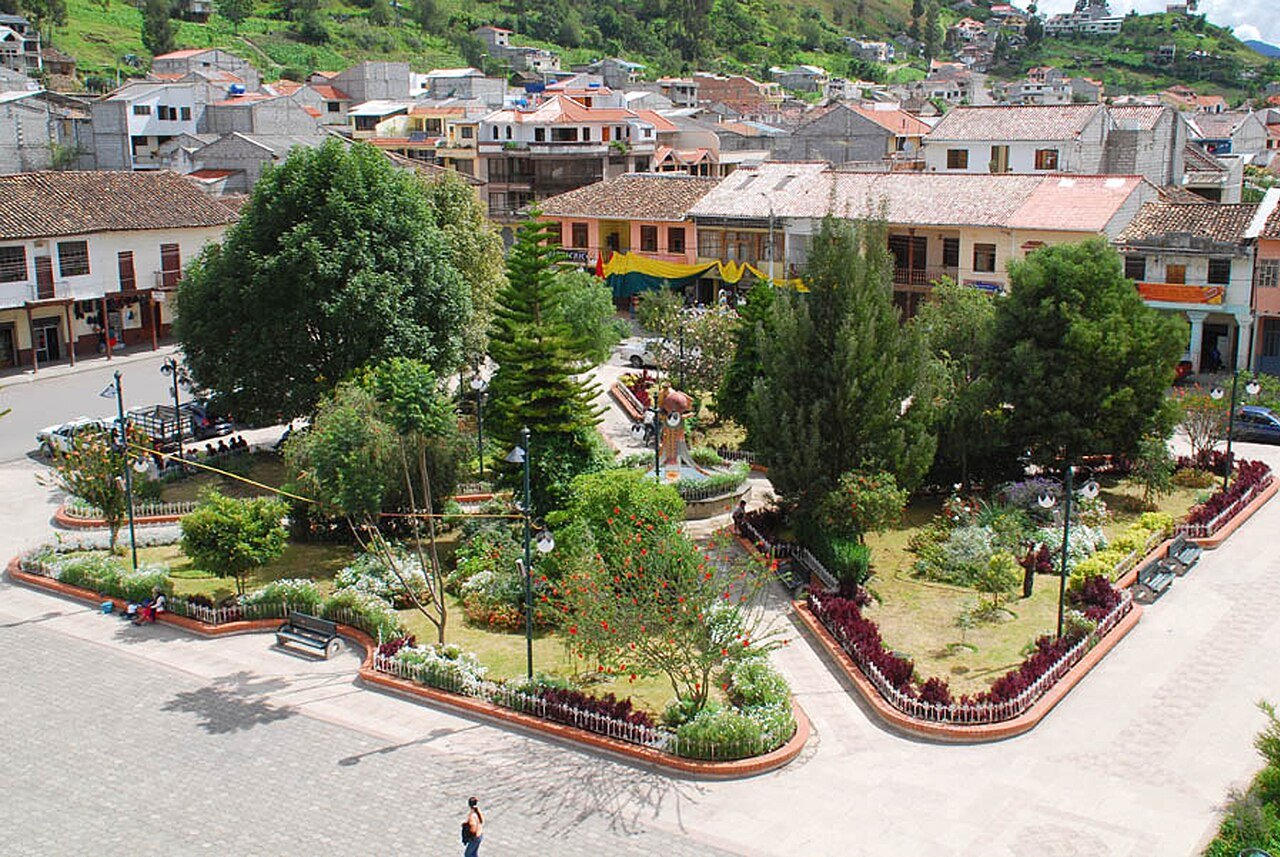
Chordeleg · UNESCO Creative City of Crafts and Folk Art
Chordeleg · Azuay Province · Ecuador
A southern Ecuadorian city where precious-metal work, pottery, footwear and toquilla-straw weaving form a substantial craft economy.
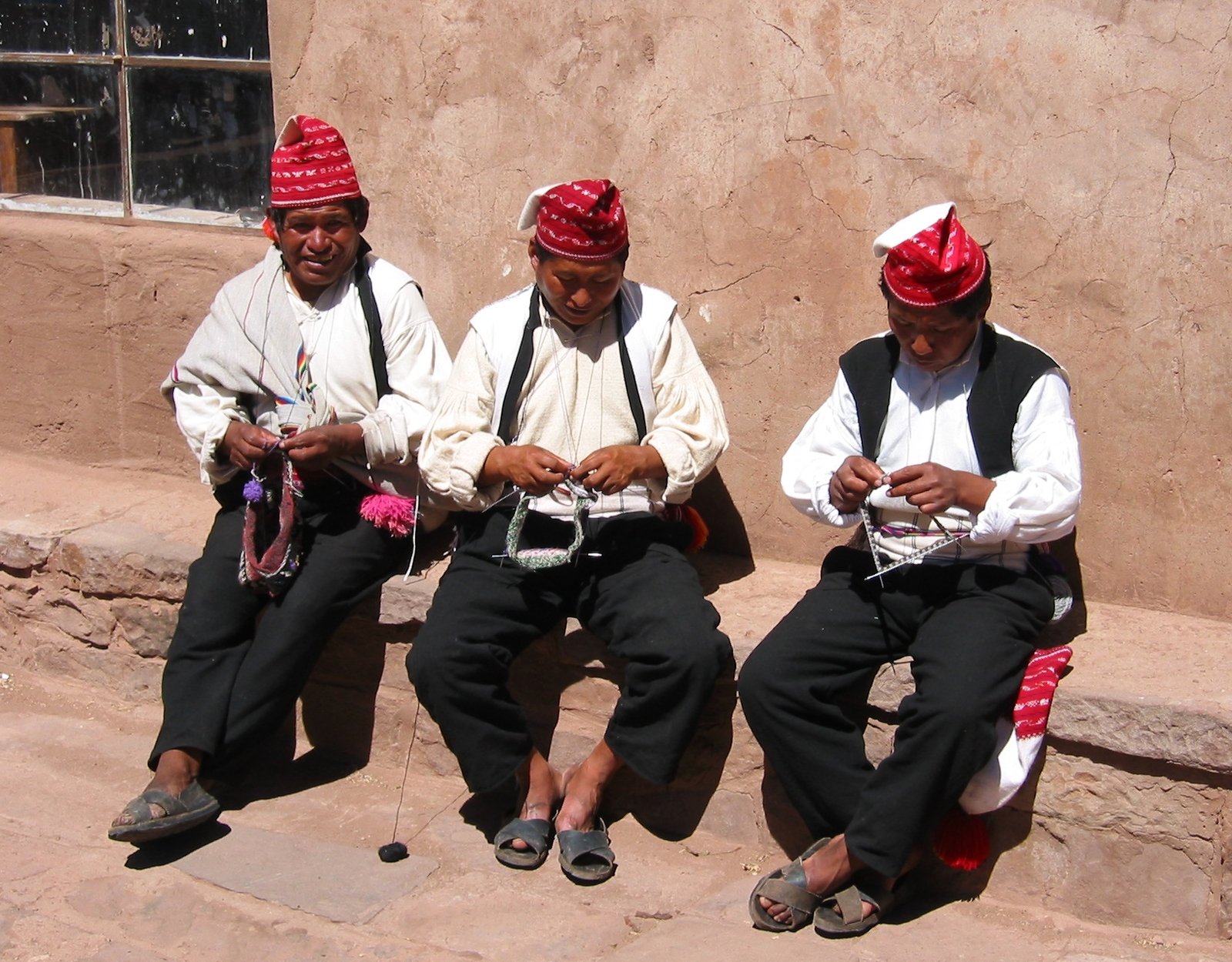
Taquile Textile Art
Taquile Island · Lake Titicaca · Peru
A living textile tradition on Taquile Island in Lake Titicaca, where knitting and weaving are part of everyday community life.

Leather Working Group Certified Suppliers
Worldwide · online
Leather Working Group’s searchable directory of facilities assessed under different supply-chain audit standards, with filters for site type, rating, leather and tannage.
Submit, claim or correct
Bring a useful name
into the blue.
Suggest a new listing, identify your relationship to an existing one, or send a correction. Every submission is reviewed before publication.
Payment cannot buy verification. Commercial relationships are labelled wherever they apply.