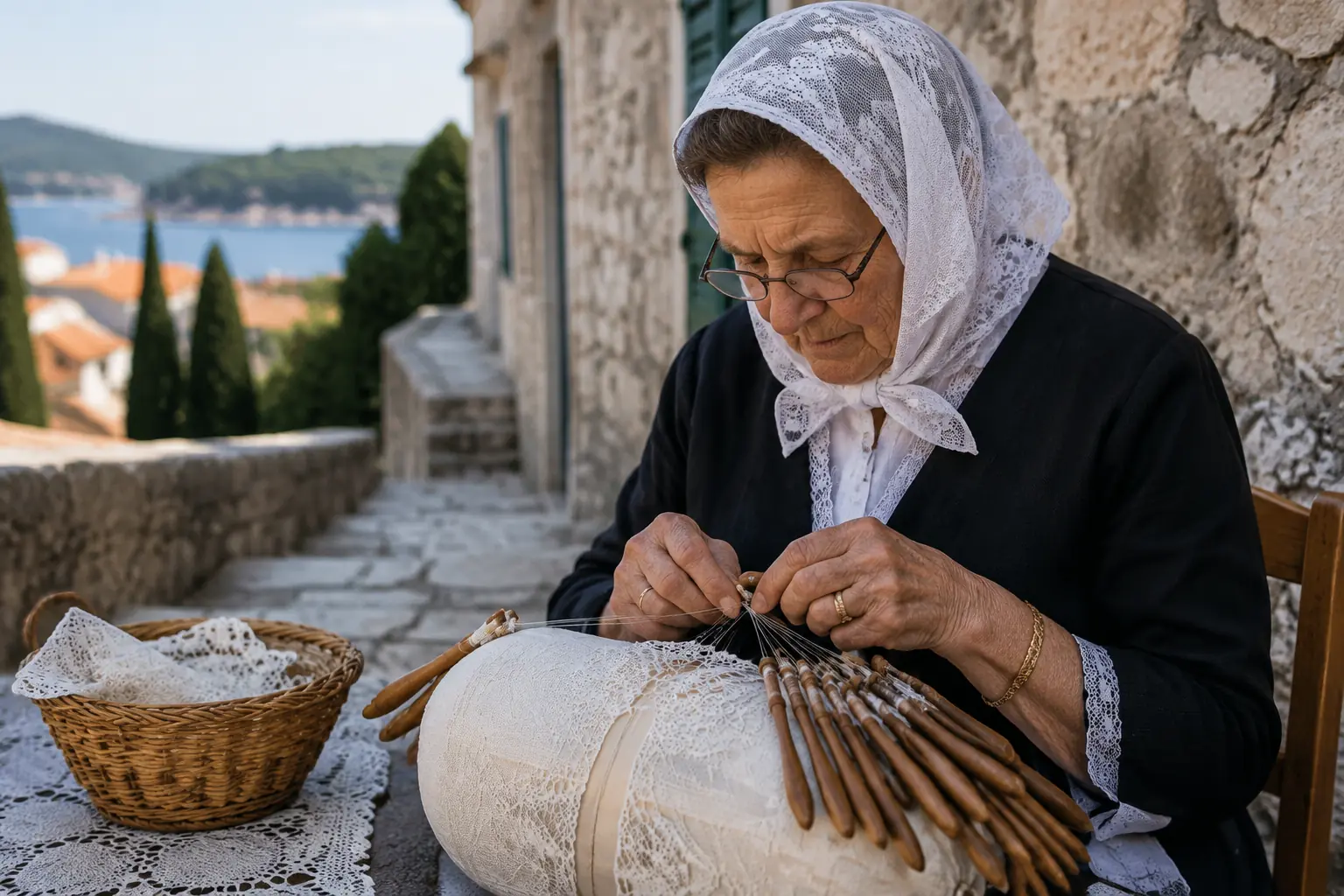
Lacemaking in Croatia
A UNESCO-listed group of distinct lacemaking traditions centred on Pag, Lepoglava and Hvar, each using different materials and techniques.
Open the UNESCO record ↗Image: Eightjune.com editorial image · See Media Library attachment details.
The short story
More than
a name.
A UNESCO-listed group of distinct lacemaking traditions centred on Pag, Lepoglava and Hvar, each using different materials and techniques. The official record prevents one generic ‘Croatian lace’ label from erasing the communities, materials and methods behind three traditions.
Why it is here
A useful starting point,
not a verdict.
The official record prevents one generic ‘Croatian lace’ label from erasing the communities, materials and methods behind three traditions.
This listing is informational. It is not an endorsement, certification, ranking or guarantee. Independently confirm identity, credentials, licences, safety information, price, availability, terms and current operating status before acting.
The researched view
Then, now and
what can be verified next.
This section follows the named sources. If a future direction is not published by the source, it is not added here.
Three centres, three material languages
UNESCO’s record identifies distinct traditions in Pag, Lepoglava and Hvar. Pag is associated with needlepoint lace, Lepoglava with bobbin lace and Hvar with lace made from agave thread.
The shared inscription does not erase difference
The traditions remain centred in their communities and techniques. A product described only as Croatian lace leaves the most useful questions—place, maker, material and method—unanswered.
Trace the object back to a centre
Use the UNESCO record to identify the relevant tradition, then ask the seller or institution for evidence about the individual piece. Inscription is cultural recognition, not product certification.
Questions worth carrying
Take these to
the source.
- 01
Use the heritage record for cultural context, terminology and safeguarding information.
- 02
Do not treat recognition of a tradition as verification of an individual seller or product.
- 03
Ask a commercial seller about maker identity, origin, materials, process and benefit to practitioners.
Before you act
Use the listing
with context.
These checks are adapted to this kind of entry. The official source remains the place to confirm current details.
- 01
Use the heritage record for cultural context, terminology and safeguarding information.
- 02
Do not treat recognition of a tradition as verification of an individual seller or product.
- 03
Ask a commercial seller about maker identity, origin, materials, process and benefit to practitioners.
Controlling source
Continue with
the official record.
Pass the intriguing part forward—then let the sourced profile do the explaining.
One heritage title contains three lace traditions that should never be flattened into one label.
Image: Eightjune.com editorial image · See Media Library attachment details · cropped, colour-adjusted and overlaid by Eightjune.com.
Ready to share
Made for personal and editorial sharing with Eight June attribution. Card copy is shortened; the listing and its named sources carry the full context.
Continue exploring
Related names
in the blue.
More considered entries connected through the same Eight June world.
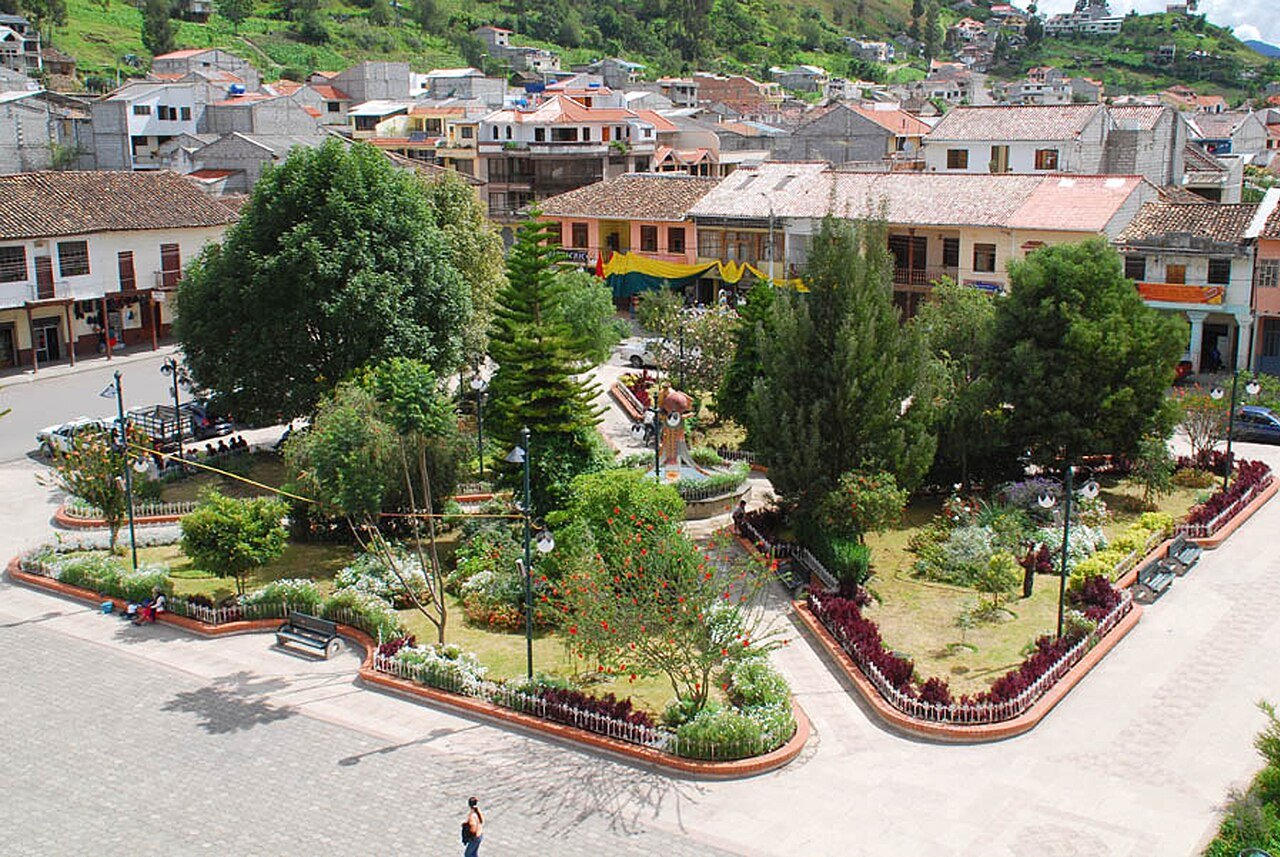
Chordeleg · UNESCO Creative City of Crafts and Folk Art
Chordeleg · Azuay Province · Ecuador
A southern Ecuadorian city where precious-metal work, pottery, footwear and toquilla-straw weaving form a substantial craft economy.
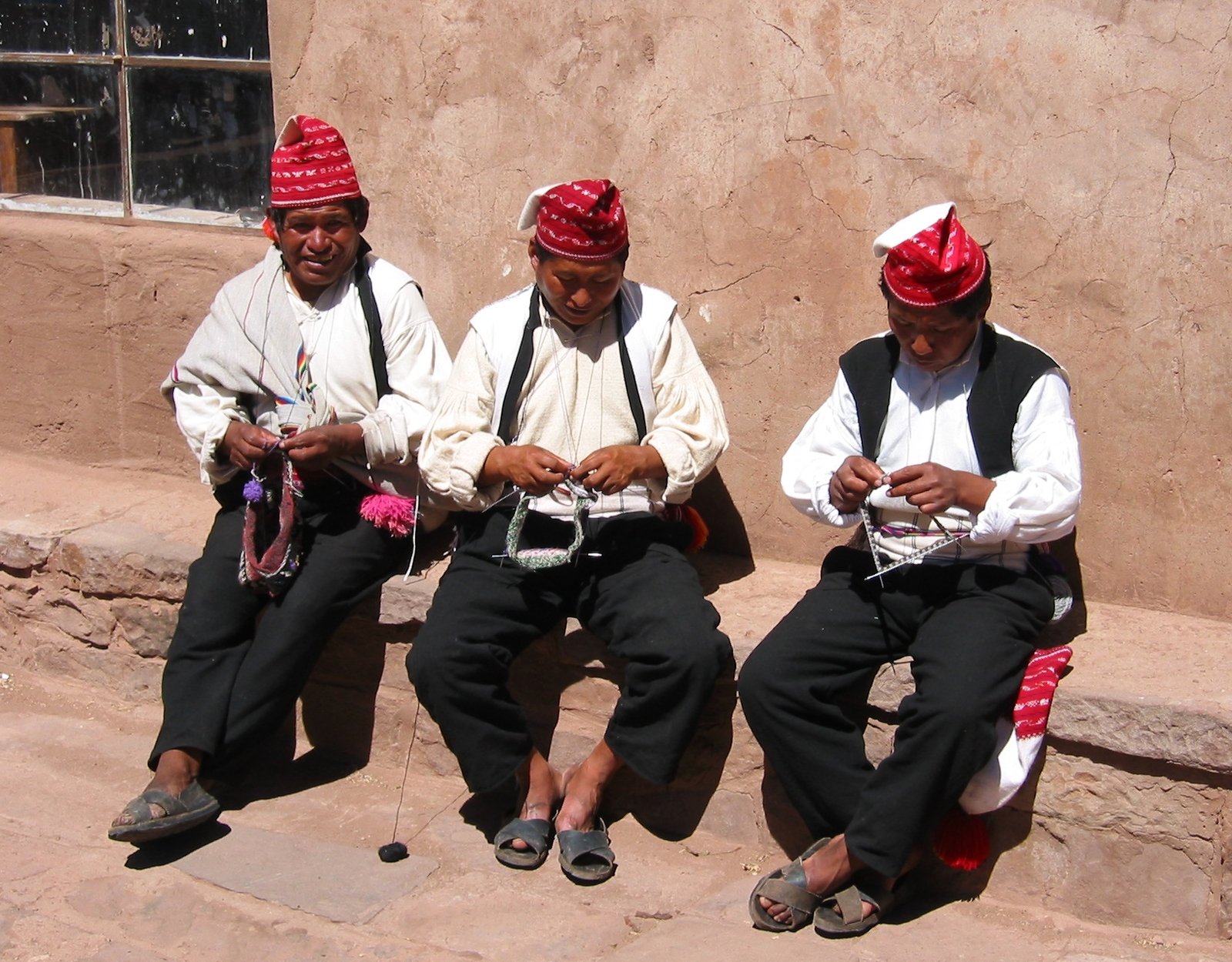
Taquile Textile Art
Taquile Island · Lake Titicaca · Peru
A living textile tradition on Taquile Island in Lake Titicaca, where knitting and weaving are part of everyday community life.

Leather Working Group Certified Suppliers
Worldwide · online
Leather Working Group’s searchable directory of facilities assessed under different supply-chain audit standards, with filters for site type, rating, leather and tannage.
Submit, claim or correct
Bring a useful name
into the blue.
Suggest a new listing, identify your relationship to an existing one, or send a correction. Every submission is reviewed before publication.
Payment cannot buy verification. Commercial relationships are labelled wherever they apply.