Taquile Textile Art
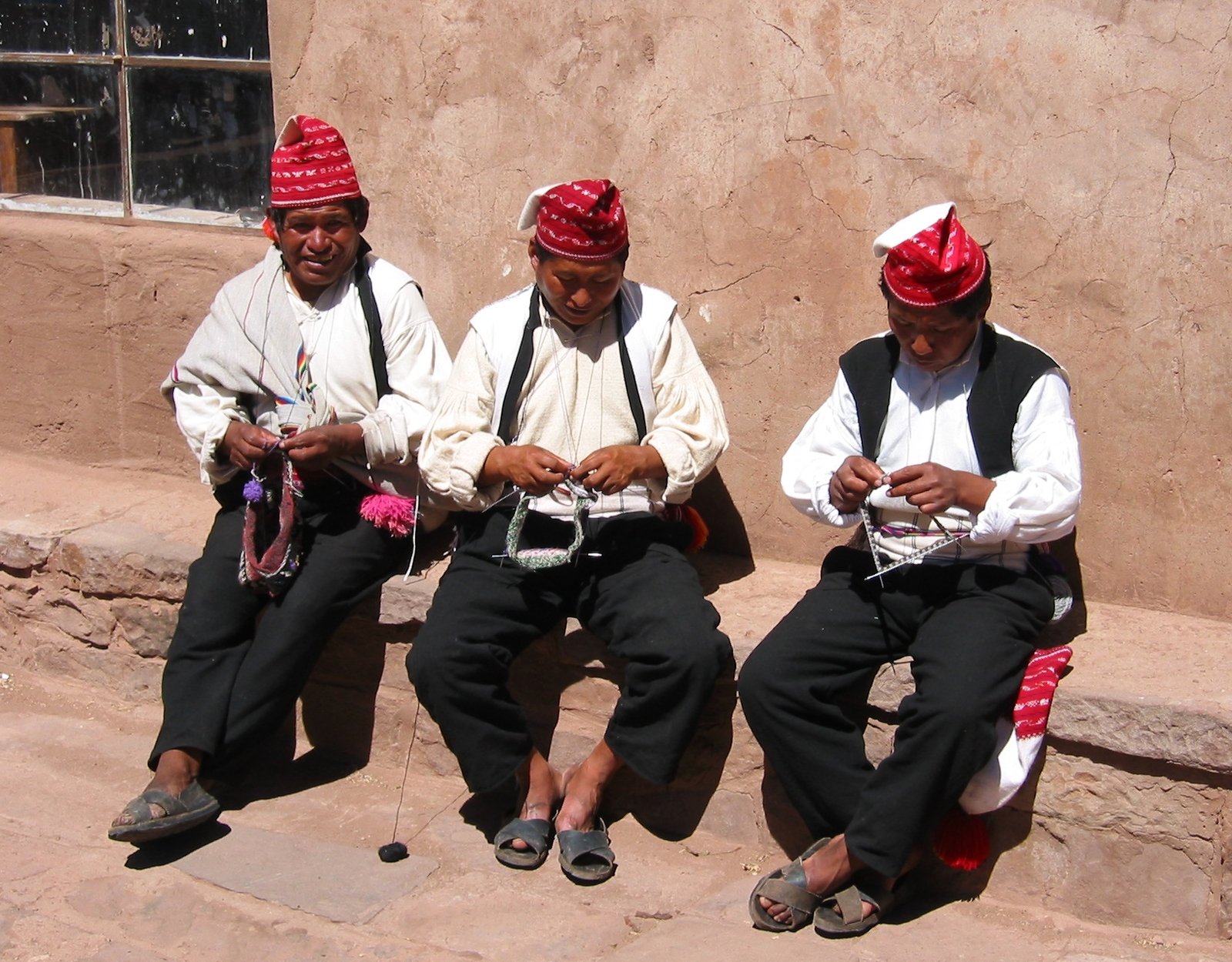
A living textile tradition on Taquile Island in Lake Titicaca, where knitting and weaving are part of everyday community life.
Open the UNESCO record ↗Image: Eightjune.com editorial image · See Media Library attachment details.
The short story
More than
a name.
A living textile tradition on Taquile Island in Lake Titicaca, where knitting and weaving are part of everyday community life. It helps readers see the people, techniques and community use behind a textile tradition rather than reducing Taquile work to a colourful Andean pattern.
Why it is here
A useful starting point,
not a verdict.
It helps readers see the people, techniques and community use behind a textile tradition rather than reducing Taquile work to a colourful Andean pattern.
This listing is informational. It is not an endorsement, certification, ranking or guarantee. Independently confirm identity, credentials, licences, safety information, price, availability, terms and current operating status before acting.
The researched view
Then, now and
what can be verified next.
This section follows the named sources. If a future direction is not published by the source, it is not added here.
A textile practice carried through everyday island life
UNESCO traces Taquile’s weaving tradition to pre-Hispanic Andean cultures and describes a strong community structure on the island. The textile art is not presented as a museum-only survival: it is made and worn within community life.
Knitting and weaving remain shared skills
UNESCO says men and women of all ages produce Taquile textiles. Characteristic works include knitted chullos and woven calendar waistbands, while a specialised school helps transmit handicraft knowledge.
Read the textile through maker, technique and community
Use the UNESCO record to understand the living practice, then ask sellers or guides who made a piece, how it was produced and how it connects to community use. UNESCO inscription does not authenticate or certify an individual textile offered for sale.
Questions worth carrying
Take these to
the source.
- 01
Use the heritage record for cultural context, terminology and safeguarding information.
- 02
Do not treat recognition of a tradition as verification of an individual seller or product.
- 03
Ask a commercial seller about maker identity, origin, materials, process and benefit to practitioners.
Before you act
Use the listing
with context.
These checks are adapted to this kind of entry. The official source remains the place to confirm current details.
- 01
Use the heritage record for cultural context, terminology and safeguarding information.
- 02
Do not treat recognition of a tradition as verification of an individual seller or product.
- 03
Ask a commercial seller about maker identity, origin, materials, process and benefit to practitioners.
Controlling source
Continue with
the official record.
Pass the intriguing part forward—then let the sourced profile do the explaining.
The pattern is only the surface; Taquile’s textile story starts with who makes it, how it is worn and how the skill is passed on.
Image: Eightjune.com editorial image · See Media Library attachment details · cropped, colour-adjusted and overlaid by Eightjune.com.
Ready to share
Made for personal and editorial sharing with Eight June attribution. Card copy is shortened; the listing and its named sources carry the full context.
Continue exploring
Related names
in the blue.
More considered entries connected through the same Eight June world.
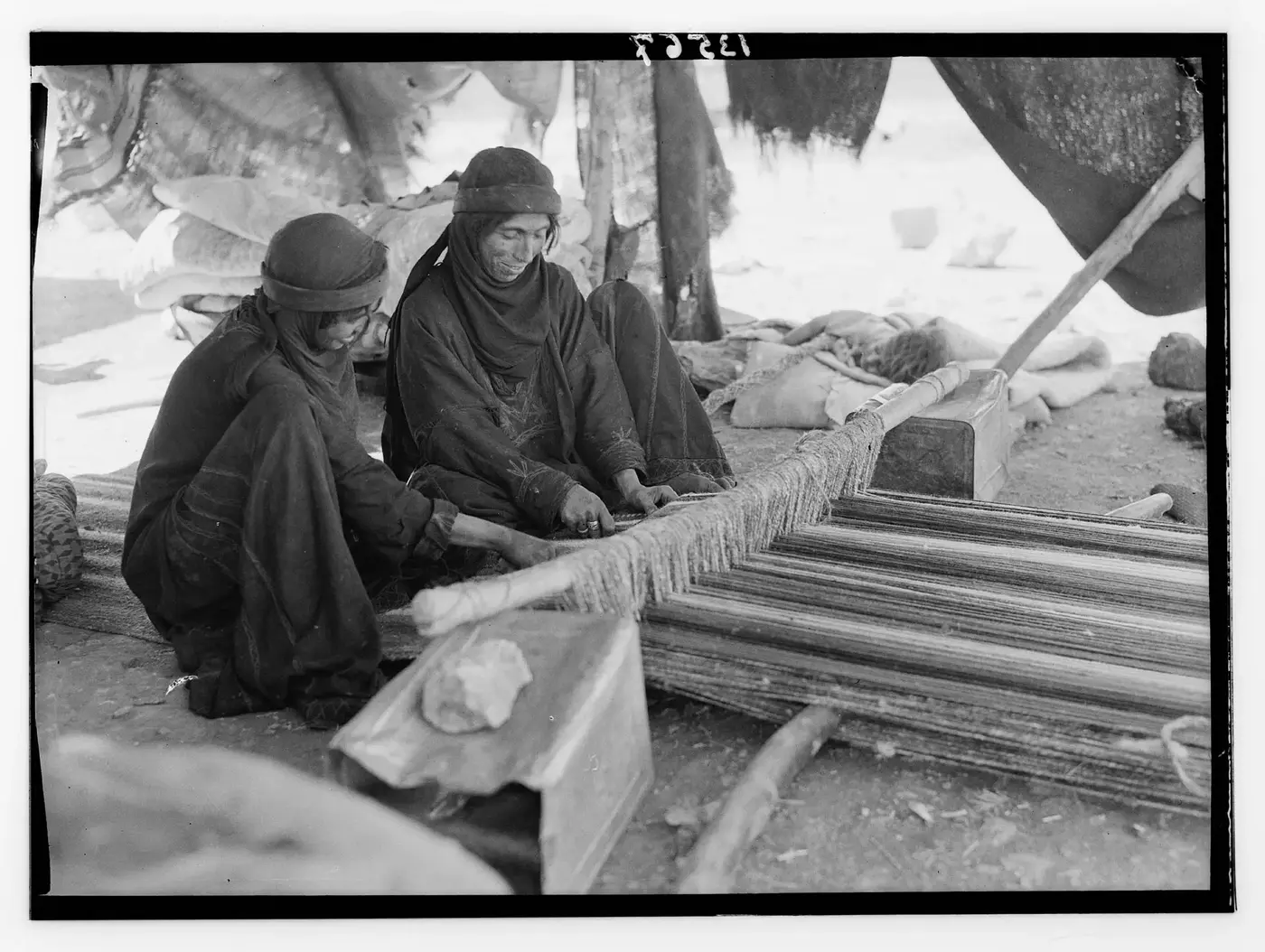
Al Sadu Weaving
United Arab Emirates
A UNESCO-listed traditional weaving practice carried by Bedouin women.
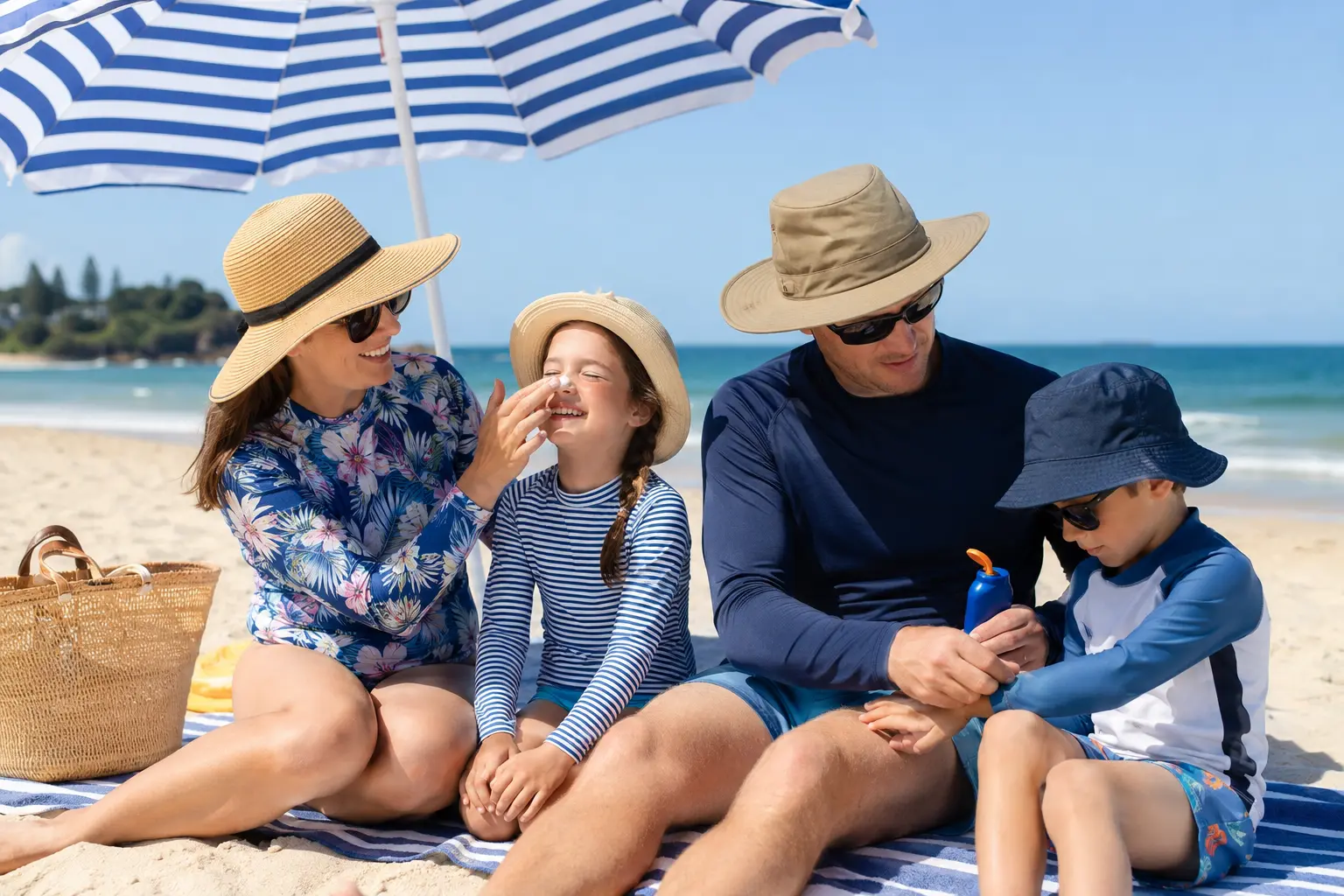
Australia UV and sun protection
Australia
National guidance for sun exposure and UV protection in a high-UV destination.
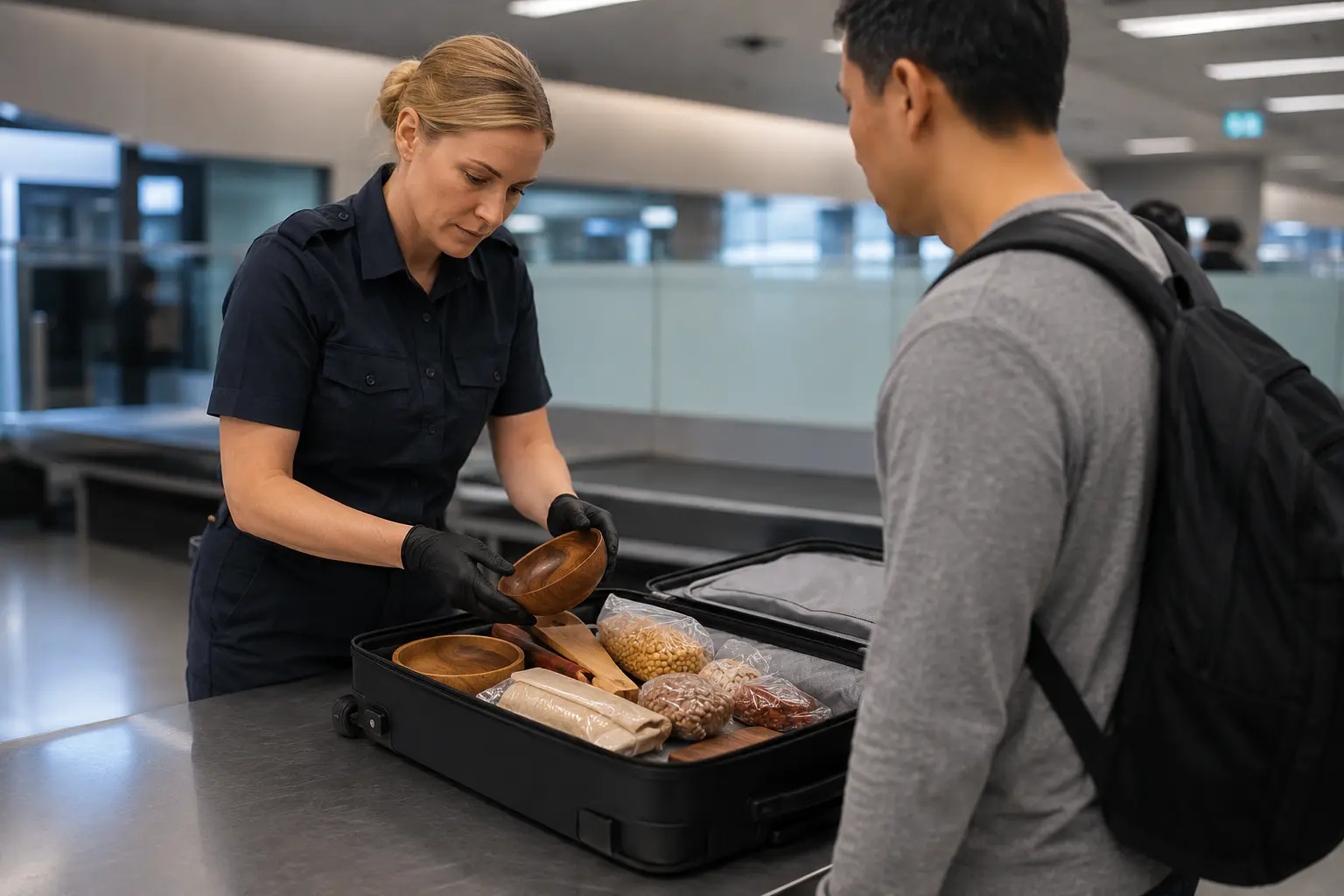
Australian biosecurity traveller guide
Australia
Official rules for food, plant, animal and other biosecurity-risk items.
Submit, claim or correct
Bring a useful name
into the blue.
Suggest a new listing, identify your relationship to an existing one, or send a correction. Every submission is reviewed before publication.
Payment cannot buy verification. Commercial relationships are labelled wherever they apply.