When · Moments
When seasonal seafood is worth waiting for
Seafood season is not one global calendar printed above a restaurant door. It is a local relationship among biology, management, weather, fishing method, market supply and the dish a kitchen wants to serve.
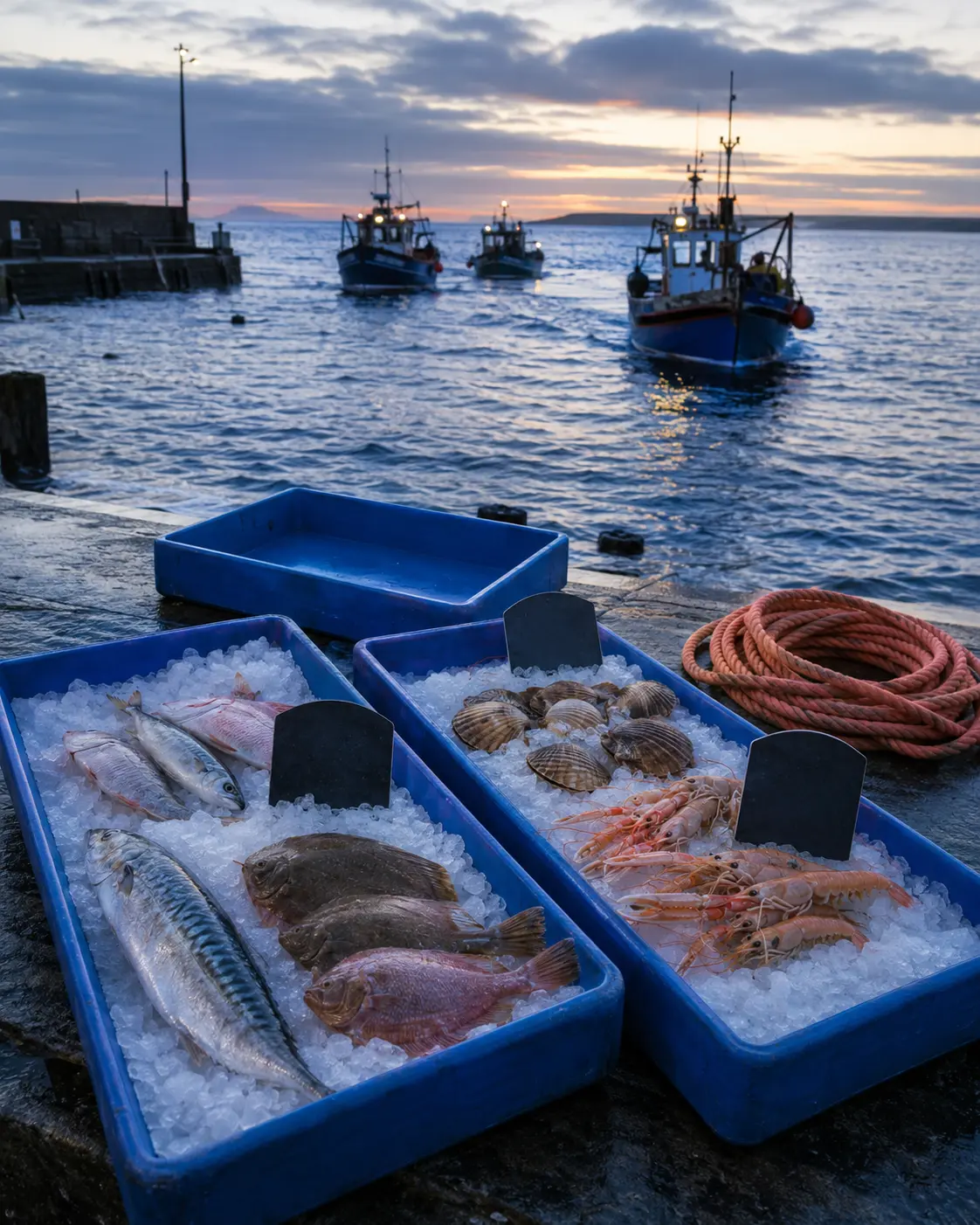
Season can mean several things
A species may be biologically abundant, legally open, practically fishable or simply common in the market—four different signals.
Closures can protect spawning, juveniles or depleted stocks. Weather can stop boats even when a season is legally open. Aquaculture can create year-round supply with its own production questions.
Build a local answer
Check the destination’s fisheries authority for closures, size limits and notices. Ask the restaurant which species is landing and whether substitutions are made when supply changes.
A static internet calendar may be out of date or apply to another coast.
- Official open or closed status.
- Exact species and area.
- Caught or farmed.
- Current landing information.
- Honest substitution policy.
What good seasonality feels like
The menu may become shorter, change spelling, replace one species or celebrate a preservation technique. That flexibility is often a stronger sign than permanent abundance.
Taste the place through what is responsibly available, not through a checklist that requires every famous dish.
Before you decide
Keep these five things with you.
- 01Check official closures
- 02Ask the exact species
- 03Confirm local area
- 04Welcome substitutions
- 05Avoid universal calendars
How this story earns trust
Sources, method and relationship—visible.
Each reference is tagged by the geography and authority of the source—not by the reader’s location. A country tag means the evidence is country-specific; it is never presented as a global rule.
Method
The framework is global, while all season and closure decisions are directed to the relevant local fisheries authority.
Commercial relationship
Independent editorial. No fishery, restaurant or seafood seller paid for inclusion.
Correction or improvement
Found a mistake, a missing perspective or a source we should review? Send it to the editorial desk ↗
- 01The State of World Fisheries and Aquaculture 2026 ↗
Food and Agriculture Organization of the United Nations. Current global evidence on fisheries and aquaculture production, resources and food systems.
- 02Code of Conduct for Responsible Fisheries ↗
Food and Agriculture Organization of the United Nations. International framework for conservation, management and responsible fisheries practice.
If this made you pause, pass the blue forward.
When seasonal seafood is worth waiting for
Ready to share
Made for personal and editorial sharing with Eight June attribution. Facts are shortened for the card; the article carries the full context, method and sources.
Questions readers ask next
Three sourced answers
to keep close.
What is the shortest answer?
Use official fishery closures and local management information first. Then ask the seller or restaurant what is actually landing now. Availability alone does not prove a stock is well managed.
Which evidence is carrying the answer?
The evidence trail names The State of World Fisheries and Aquaculture 2026, Code of Conduct for Responsible Fisheries. Open those records for their exact scope, geography, definitions and update dates.
What should I carry into the decision?
The page’s checklist highlights these points: Check official closures; Ask the exact species; Confirm local area; Welcome substitutions. Use the linked sources to confirm any detail that changes by place, provider or date. The editorial information on this page was last reviewed on 1 September 2026. Time-sensitive conditions, prices, rules and availability should still be confirmed at the linked source on the day they matter.