Why · Living
Why do parrotfish matter to coral reefs?
Parrotfish help shape coral reefs by grazing algae, scraping reef surfaces and returning some ground calcium carbonate to the reef as sediment.
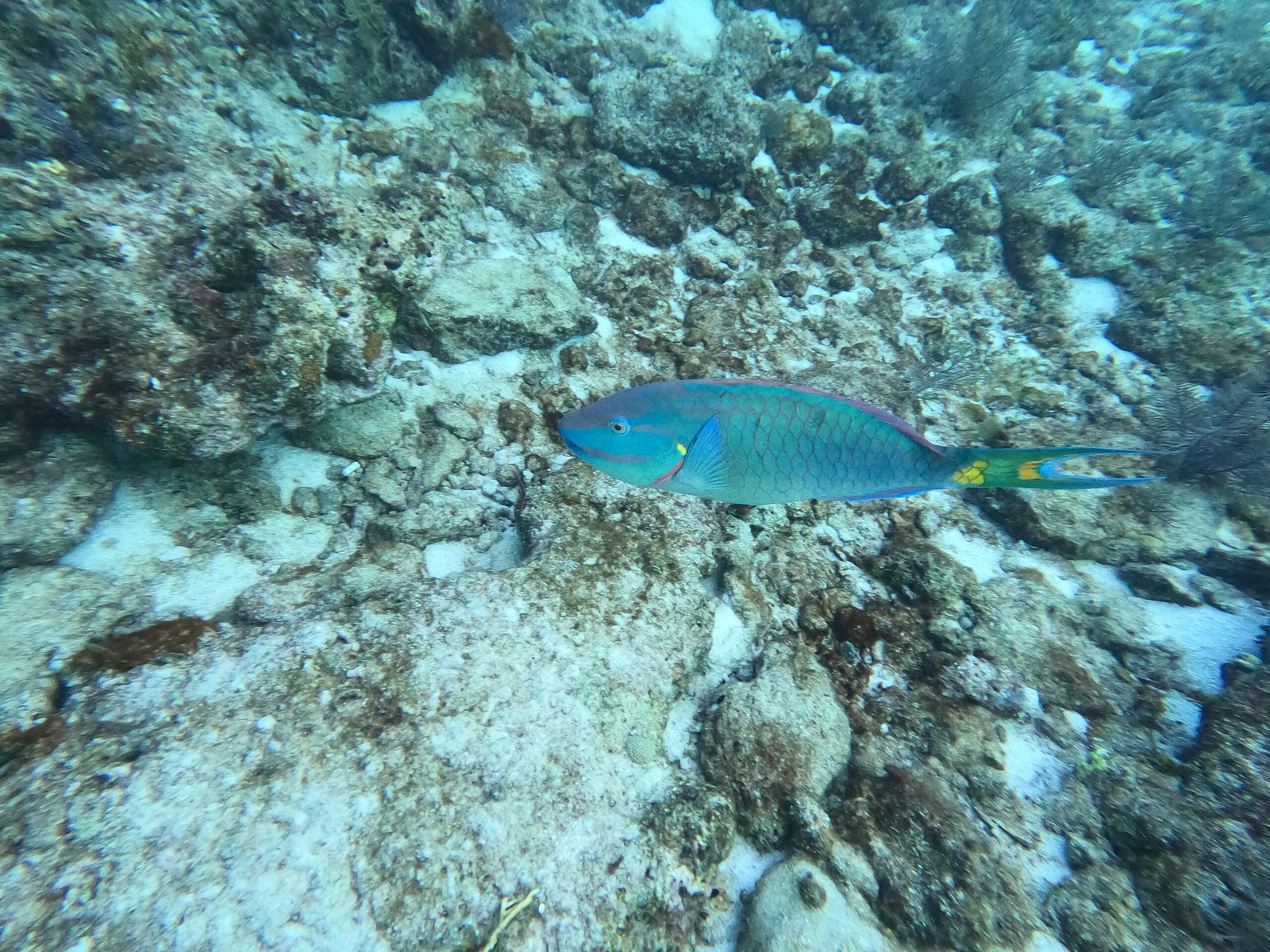
Parrotfish are reef grazers
Parrotfish feed with fused, beak-like teeth. Many scrape or excavate algae, microbes and detritus from hard reef surfaces.
NOAA Fisheries describes herbivorous reef fishes as part of the grazing community that can help keep fast-growing algae from dominating space needed by corals.
Their bites can create new settlement space
Larger parrotfish can remove a thin layer of underlying reef material while feeding.
That disturbance can expose cleaner hard surfaces where corals and other reef builders may potentially settle.
Some parrotfish also make reef sediment
When reef material is swallowed with food, the mineral fraction can be ground in the digestive system and expelled.
This contributes calcium-carbonate sediment to reef environments, although the amount varies among species, sizes and places.
A reef needs a community of grazers
NOAA research stresses that herbivorous fishes differ in diet, bite strength and grazing behaviour.
Parrotfish can support reef resilience, but temperature stress, water quality, fishing pressure and the wider herbivore community also matter.
Before you decide
Keep these five things with you.
- 01Think of parrotfish as a diverse group rather than one uniform reef species
- 02Separate algae grazing from direct coral feeding
- 03Remember that scraping can both remove algae and disturb substrate
- 04Treat sand production as one consequence of feeding, not the only role
- 05Use local reef research before generalising effects
How this story earns trust
Sources, method and relationship—visible.
Each reference is tagged by the geography and authority of the source. Country-specific evidence is never presented as a global rule.
Method
This Living explainer was researched and drafted by the Eight June AI-managed editorial workflow, then checked against NOAA Fisheries primary material. Current repository catalogues and recent daily packages were screened before publication.
Commercial relationship
Independent editorial. NOAA Fisheries, Jstuby and Wikimedia Commons did not pay for inclusion. This article contains no affiliate recommendation.
Correction or improvement
Found a mistake, a missing perspective or a source we should review? Send it to the editorial desk ↗
- 01A Better Chance for Resilience: Using Hungry Fish to Conserve Coral Reefs ↗
NOAA Fisheries. Primary NOAA explanation of herbivorous reef fishes, parrotfish scraping and algae control.
- 02Assessing bumphead parrotfish at Wake Atoll ↗
NOAA Fisheries. Primary NOAA account of parrotfish feeding, reef scraping and calcium-carbonate removal.
If this made you pause, pass the blue forward.
Why do parrotfish matter to coral reefs?
Ready to share
Made for personal and editorial sharing with Eight June attribution. Facts are shortened for the card; the article carries the full context, method and sources.
Useful questions
Quick answers,
kept specific.
Do parrotfish eat coral?
Some species and life stages remove reef material and may consume live coral while feeding, but many bites are aimed at algae, microbes and detritus on reef surfaces.
Do parrotfish really make sand?
Yes. Reef material swallowed during feeding can be ground in the digestive system and expelled as calcium-carbonate sediment.
Are more parrotfish always enough to restore a reef?
No. Grazers can help control algae, but coral recovery also depends on temperature, water quality, recruitment, disease, fishing and other conditions.