What · Pulse
What circular coastal style looks like now
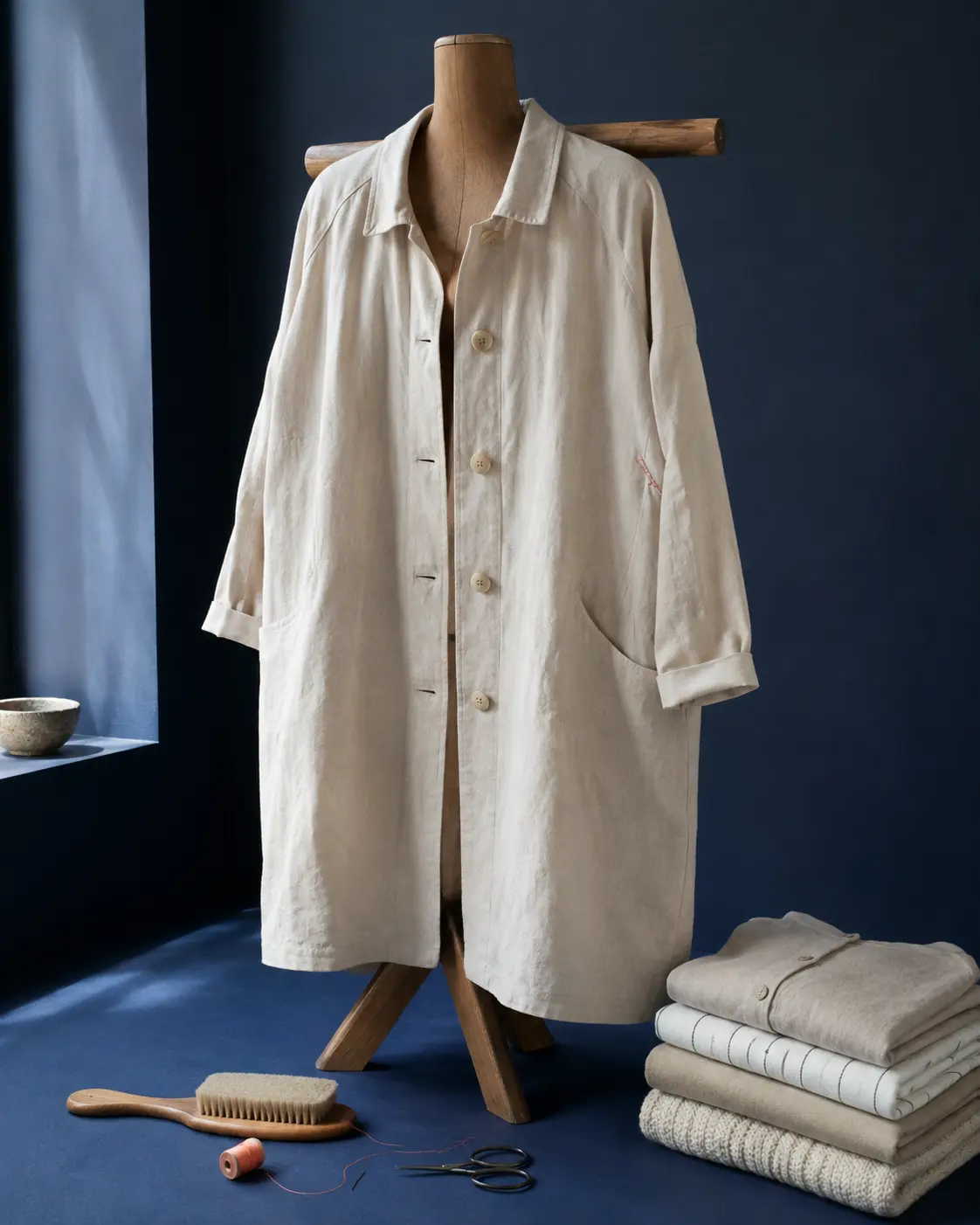
The newest coastal wardrobe is not defined by another shade of blue. It is moving toward pieces that can be worn repeatedly, repaired, resold and understood—garments with a life beyond one holiday photograph.
From fibre story to whole-life story
A natural fibre is not automatically low impact, and a recycled claim does not guarantee durability. Water, land, chemicals, energy, labour, transport, construction and use all shape the garment’s story.
The European Environment Agency identifies textiles as a major environmental pressure and emphasizes longer use, reuse, repair and circular design. Its figures describe Europe, while the design questions travel further.
What is changing in the rack
Look for stronger seams, replaceable buttons, spare hems, repair services, resale channels and product information that survives beyond a campaign.
For coastal use, add practical demands: breathable layering, sun coverage, movement, quick drying where needed, and care that can be repeated.
- Will I wear it after the trip?
- Can it be repaired locally?
- Is the care realistic for me?
- Does the brand explain construction clearly?
A quieter shopping test
Build three outfits around the piece before buying. Sit, walk and raise your arms. Read the care label and imagine the fifth wear, not only the first photograph.
If one garment replaces three uncertain purchases, that is a meaningful personal signal even before a perfect industry-wide metric exists.
Before you decide
Keep these five things with you.
- 01Plan three real wears
- 02Inspect seams and closures
- 03Read care before buying
- 04Ask about repair or resale
- 05Avoid one-trip identity
How this story earns trust
Sources, method and relationship—visible.
Each reference is tagged by the geography and authority of the source—not by the reader’s location. A country tag means the evidence is country-specific; it is never presented as a global rule.
Method
European impact evidence is labelled as regional; global design principles come from UNEP. No individual material is declared universally best.
Commercial relationship
Independent editorial. No clothing brand, fibre producer or resale platform paid for inclusion.
Correction or improvement
Found a mistake, a missing perspective or a source we should review? Send it to the editorial desk ↗
- 01Textiles ↗
European Environment Agency. Updated 2026 overview of textile impacts and Europe’s circular-textile direction.
- 02Sustainability and Circularity in the Textile Value Chain ↗
United Nations Environment Programme. Global roadmap for a more sustainable and circular textile value chain.
If this made you pause, pass the blue forward.
What circular coastal style looks like now
Ready to share
Made for personal and editorial sharing with Eight June attribution. Facts are shortened for the card; the article carries the full context, method and sources.
Questions readers ask next
Three sourced answers
to keep close.
What is the shortest answer?
Circular style prioritizes longer use, durability, repair, reuse and responsible end-of-life systems. Fibre choice matters, but design quality and how often a garment is actually worn matter too.
Which evidence is carrying the answer?
The evidence trail names Textiles, Sustainability and Circularity in the Textile Value Chain. Open those records for their exact scope, geography, definitions and update dates.
What should I carry into the decision?
The page’s checklist highlights these points: Plan three real wears; Inspect seams and closures; Read care before buying; Ask about repair or resale. Use the linked sources to confirm any detail that changes by place, provider or date. The editorial information on this page was last reviewed on 1 September 2026. Time-sensitive conditions, prices, rules and availability should still be confirmed at the linked source on the day they matter.