What · Pulse
What is changing in mangrove restoration
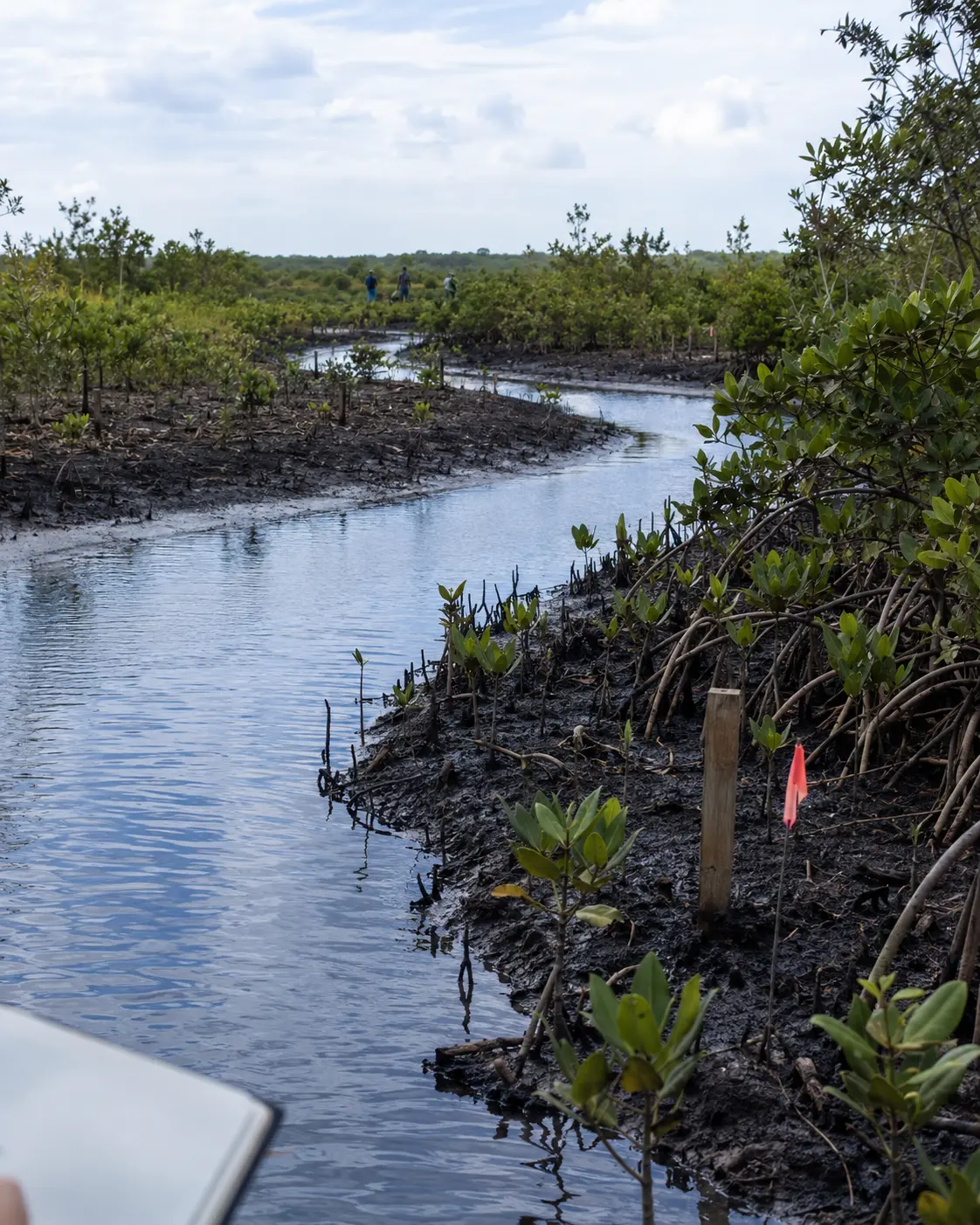
Mangrove restoration is becoming less impressed by the number of seedlings planted and more interested in whether water, sediment, species and community stewardship can support a forest years later.
The old metric was easy to count
Seedling totals are simple to communicate. Survival, ecosystem function and community benefit are harder, slower and more important.
UNEP’s July 2026 review says global mangrove loss is slowing and highlights community-led work across several countries, while warning that satellite gains do not reveal every pressure.
What better practice asks first
Why did the mangrove disappear? Is tidal flow blocked? Has the shoreline elevation changed? Which species belong here? Who uses the land and who will care for it?
Sometimes the strongest intervention is to restore water movement and allow natural regeneration.
- Diagnose the cause of loss.
- Repair hydrology where possible.
- Use locally appropriate species.
- Measure survival and function over time.
- Share authority and benefit locally.
How visitors can avoid theatre
Ask for the project’s baseline, local leadership, monitoring period and latest survival evidence. A paid planting event can be positive, but it should not become a licence for exaggerated climate claims.
Support organisations that are comfortable discussing failure, maintenance and changed plans. Honest restoration is adaptive work.
Before you decide
Keep these five things with you.
- 01Ask what caused the loss
- 02Look beyond seedling totals
- 03Check local leadership
- 04Request multi-year monitoring
- 05Reject guaranteed-impact language
How this story earns trust
Sources, method and relationship—visible.
Each reference is tagged by the geography and authority of the source—not by the reader’s location. A country tag means the evidence is country-specific; it is never presented as a global rule.
Method
This Pulse article uses a current UNEP update and avoids converting project examples into a universal success rate.
Commercial relationship
Independent editorial. No restoration project, donor or carbon-credit seller paid for inclusion.
Correction or improvement
Found a mistake, a missing perspective or a source we should review? Send it to the editorial desk ↗
- 01Mangrove forests ↗
United Nations Environment Programme. Global overview of mangrove benefits, pressures and restoration.
- 02Mangroves are making a comeback. Here’s what’s working ↗
United Nations Environment Programme. Dated July 2026 examples and cautions from restoration programmes.
If this made you pause, pass the blue forward.
What is changing in mangrove restoration
Ready to share
Made for personal and editorial sharing with Eight June attribution. Facts are shortened for the card; the article carries the full context, method and sources.
Questions readers ask next
Three sourced answers
to keep close.
What is the shortest answer?
The direction is shifting toward site diagnosis, restored tidal flow, suitable species, community rights and long-term monitoring. Planting may be part of restoration, but it is not the definition of success.
Which evidence is carrying the answer?
The evidence trail names Mangrove forests, Mangroves are making a comeback. Here’s what’s working. Open those records for their exact scope, geography, definitions and update dates.
What should I carry into the decision?
The page’s checklist highlights these points: Ask what caused the loss; Look beyond seedling totals; Check local leadership; Request multi-year monitoring. Use the linked sources to confirm any detail that changes by place, provider or date. The editorial information on this page was last reviewed on 1 September 2026. Time-sensitive conditions, prices, rules and availability should still be confirmed at the linked source on the day they matter.