What · Pulse
What is changing in the way people choose island escapes?
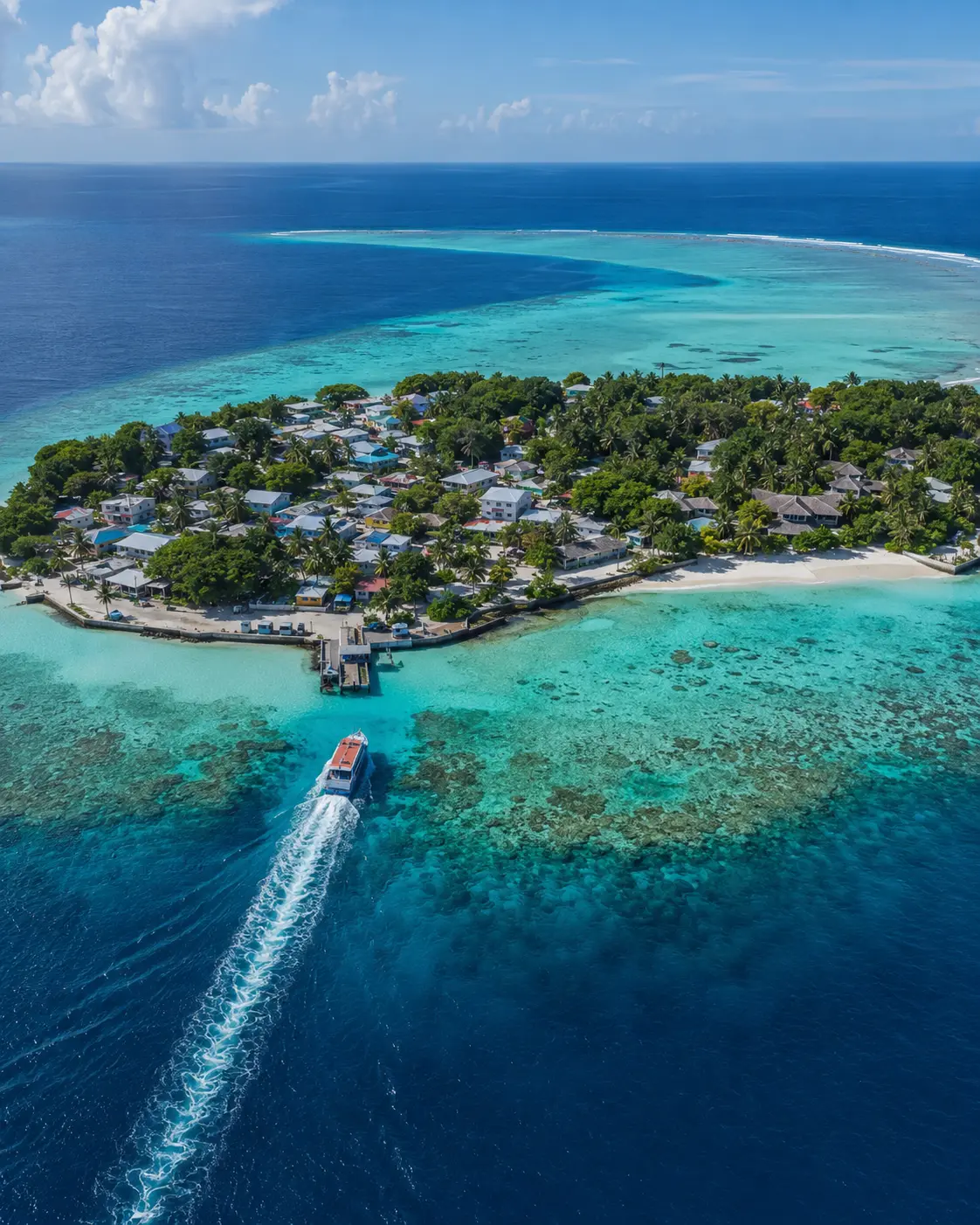
The island dream is still blue water and distance from routine. What is changing is the decision around it: travellers are comparing access, crowd pressure, weather risk, local value and the cost of getting it wrong before they compare room photographs.
The wider signal is positive, not uniform
UN Tourism reported 1.52 billion international tourist arrivals in 2025, up 4% on 2024, followed by 2% growth in the first quarter of 2026. Small Island Developing States welcomed 36 million international arrivals in 2023—91% of their 2019 level—yet no global total explains what pressure or opportunity feels like on one island.
Google’s 2026 summer analysis placed several coastal and island destinations among strong year-on-year flight-search risers from the United States. That is a dated signal from one origin market, not a worldwide popularity table. A traveller in Brazil, Germany, India, Japan or South Africa can see a different field of choices.
Read search interest without fooling yourself
Google Trends scales results from 0 to 100 within the place, period and terms you select. A score of 100 marks peak relative interest inside that comparison; it is not a search count, booking total or forecast. Change the origin country, dates, spelling or topic selection and the chart can change.
Build a comparison from your own departure market. Put one familiar island beside alternatives from at least two regions—for example the Maldives or Seychelles in the Indian Ocean, the Bahamas or Curaçao in the Caribbean, Crete or the Balearics in the Mediterranean, Bali or Phu Quoc in Asia, and Fiji in the South Pacific. View five years for seasonality and 12 months for recent movement, then check fares and official entry information.
Compare the trip you will actually take
A private-island resort can make transfers simple while keeping most of the experience inside one property. A lived-in island may offer markets, neighbourhoods and local transport but ask more planning from you. An archipelago adds choice and weather resilience, yet every ferry or flight becomes another possible break in the chain.
Treat destination names as starting hypotheses, not permanent verdicts. Compare door-to-door time, refundable total cost, likely weather, water and energy constraints, experiences outside the hotel, and how much value can remain with local communities.
- Search signal: where is curiosity rising in your origin market?
- Access signal: how many transfers, visas or permissions?
- Experience signal: resort-centred, place-centred or both?
- Risk signal: what happens if weather removes one day?
- Local-value signal: where does your spending go?
Before you decide
Keep these five things with you.
- 01Use five-year and 12-month search windows
- 02Treat Trends as relative interest—not arrivals
- 03Compare total trip cost
- 04Check official entry and weather information
- 05Choose for your pace—not the ranking
How this story earns trust
Sources, method and relationship—visible.
Each reference is tagged by the geography and authority of the source—not by the reader’s location. A country tag means the evidence is country-specific; it is never presented as a global rule.
Method
Trend claims use dated UN Tourism and Google releases available on 5 August 2026. Destination comparisons are editorial decision prompts, not rankings. Prices, permits and schedules are excluded because they change quickly.
Commercial relationship
Independent editorial. No destination, airline, hotel or booking platform paid for inclusion. No affiliate links appear in this article.
Correction or improvement
Found a mistake, a missing perspective or a source we should review? Send it to the editorial desk ↗
- 01International tourism up 2% in Q1 2026 ↗
UN Tourism. Latest short-term global arrivals signal.
- 02International tourist arrivals up 4% in 2025 ↗
UN Tourism. Full-year 2025 global context.
- 03Tourism in Small Island Developing States ↗
UN Tourism. Global island-tourism recovery and the economic importance of tourism in SIDS.
- 042026 travel trends and top destinations ↗
Google. Dated Google Flights and Search signals; the source identifies the United States as its market.
- 05FAQ about Google Trends data ↗
Google Trends Help. How normalization and relative interest work across selectable markets.
If this made you pause, pass the blue forward.
What is changing in the way people choose island escapes?
Ready to share
Made for personal and editorial sharing with Eight June attribution. Facts are shortened for the card; the article carries the full context, method and sources.
Questions readers ask next
Three sourced answers
to keep close.
What is the shortest answer?
Global travel demand is still growing, but search attention is fragmenting across famous islands and emerging alternatives. Compare access, season, pace, total cost and uncertainty—not only the beach image.
Which evidence is carrying the answer?
The evidence trail names International tourism up 2% in Q1 2026, International tourist arrivals up 4% in 2025, Tourism in Small Island Developing States, 2026 travel trends and top destinations. Open those records for their exact scope, geography, definitions and update dates.
What should I carry into the decision?
The page’s checklist highlights these points: Use five-year and 12-month search windows; Treat Trends as relative interest—not arrivals; Compare total trip cost; Check official entry and weather information. Use the linked sources to confirm any detail that changes by place, provider or date. The editorial information on this page was last reviewed on 1 September 2026. Time-sensitive conditions, prices, rules and availability should still be confirmed at the linked source on the day they matter.