When · Moments
When is the coast truly at its best?
There is no single best month for the world’s coasts. The Caribbean, Mediterranean, Indian Ocean, Pacific and temperate shores answer to different rain, wind, swell and cyclone patterns—and travellers want different things from the same water.
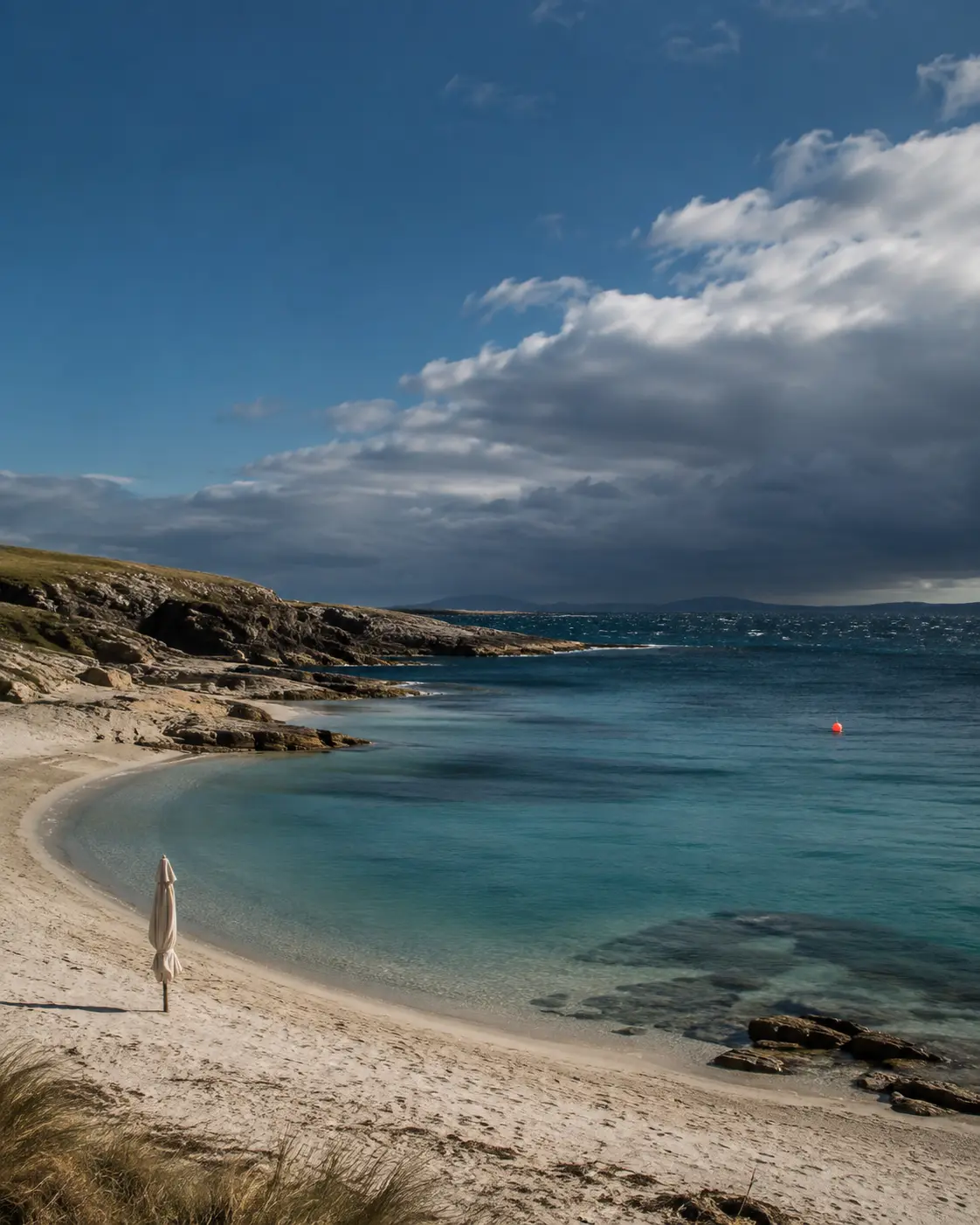
One ocean does not share one calendar
The Mediterranean’s summer-dry pattern is not the Caribbean’s hurricane season, Southeast Asia does not have one monsoon calendar, and the southern hemisphere reverses the seasons familiar to much of Europe and North America. Even neighbouring islands can sit on different sides of wind and rain.
Tropical cyclones are called hurricanes, typhoons or cyclones in different basins, but the planning rule is the same: a pleasant long-term average never cancels a live warning. The World Meteorological Organization coordinates regional specialist centres; the destination’s national service turns that science into local advice.
Decide what ‘best’ means first
For swimming and boat trips, safe sea state and operator status matter more than blue sky in a photograph. For food, fishing seasons and closures can change the menu. For photography, monsoon light may be worth inconvenience. For quiet, shoulder periods can be better if services still operate.
Families may value predictable transfers; divers need visibility and site conditions; surfers may seek energy others avoid. Write the desired experience first, then match the coast and month.
- Weather clock: rain, heat, wind and warnings.
- Water clock: swell, current and safe operations.
- Nature clock: nesting, spawning and protected-area rules.
- People clock: holidays, prices and crowd pressure.
The seven-day reality check
A month guide is only the first filter. Seven days before departure, check the destination’s national weather service and civil-protection authority, ferry or flight notices, marine conditions and the accommodation’s written cancellation policy. Recheck before any water activity.
If an official warning conflicts with a seller’s reassurance, follow the official warning. Build one inland, cultural or food-led day into every coastal plan, and save local emergency information offline.
Before you decide
Keep these five things with you.
- 01Define the experience first
- 02Use regional rather than countrywide seasonal guidance
- 03Find the destination’s official weather service
- 04Verify ferries and water activities
- 05Keep one weather-flexible day
How this story earns trust
Sources, method and relationship—visible.
Each reference is tagged by the geography and authority of the source—not by the reader’s location. A country tag means the evidence is country-specific; it is never presented as a global rule.
Method
The framework uses WMO’s global warning structure and one country-level example to show how readers should move from basin-wide climatology to their destination’s official service. It avoids a fixed month-by-destination chart because live weather, local closures and traveller purpose can overturn a generic recommendation.
Commercial relationship
Independent editorial. No destination, resort, transport operator or activity provider paid for inclusion. This is planning guidance, not a forecast.
Correction or improvement
Found a mistake, a missing perspective or a source we should review? Send it to the editorial desk ↗
- 01Tropical Cyclone Programme ↗
World Meteorological Organization. Global coordination framework for tropical cyclone forecasting and warnings.
- 02Latest advisories from RSMCs and TCWCs ↗
World Meteorological Organization. Links to the specialist regional centres responsible for active tropical cyclone advisories.
- 03Regional Specialized Meteorological Centres ↗
World Meteorological Organization. Directory showing which specialist centre covers each tropical cyclone basin.
- 04Monsoon Information ↗
India Meteorological Department. A country-specific example of current monsoon progress and official reports.
If this made you pause, pass the blue forward.
When is the coast truly at its best?
Ready to share
Made for personal and editorial sharing with Eight June attribution. Facts are shortened for the card; the article carries the full context, method and sources.
Questions readers ask next
Three sourced answers
to keep close.
What is the shortest answer?
Choose with four clocks: weather, sea conditions, local ecology and human pressure. Start with regional climatology, then check the destination’s official weather service, warnings, transport status and local rules close to departure.
Which evidence is carrying the answer?
The evidence trail names Tropical Cyclone Programme, Latest advisories from RSMCs and TCWCs, Regional Specialized Meteorological Centres, Monsoon Information. Open those records for their exact scope, geography, definitions and update dates.
What should I carry into the decision?
The page’s checklist highlights these points: Define the experience first; Use regional rather than countrywide seasonal guidance; Find the destination’s official weather service; Verify ferries and water activities. Use the linked sources to confirm any detail that changes by place, provider or date. The editorial information on this page was last reviewed on 1 September 2026. Time-sensitive conditions, prices, rules and availability should still be confirmed at the linked source on the day they matter.