Japan
Often associated with akoya cultivation and highly matched classic strands. Verify the pearl description, not only the styling.
EJ Pearl · atlas
Explore recognised pearl regions without turning origin into a quality shortcut.
Origins can explain species, farming traditions, environments and trade histories. They should open better questions, not automatically prove quality or ethics.
Use this page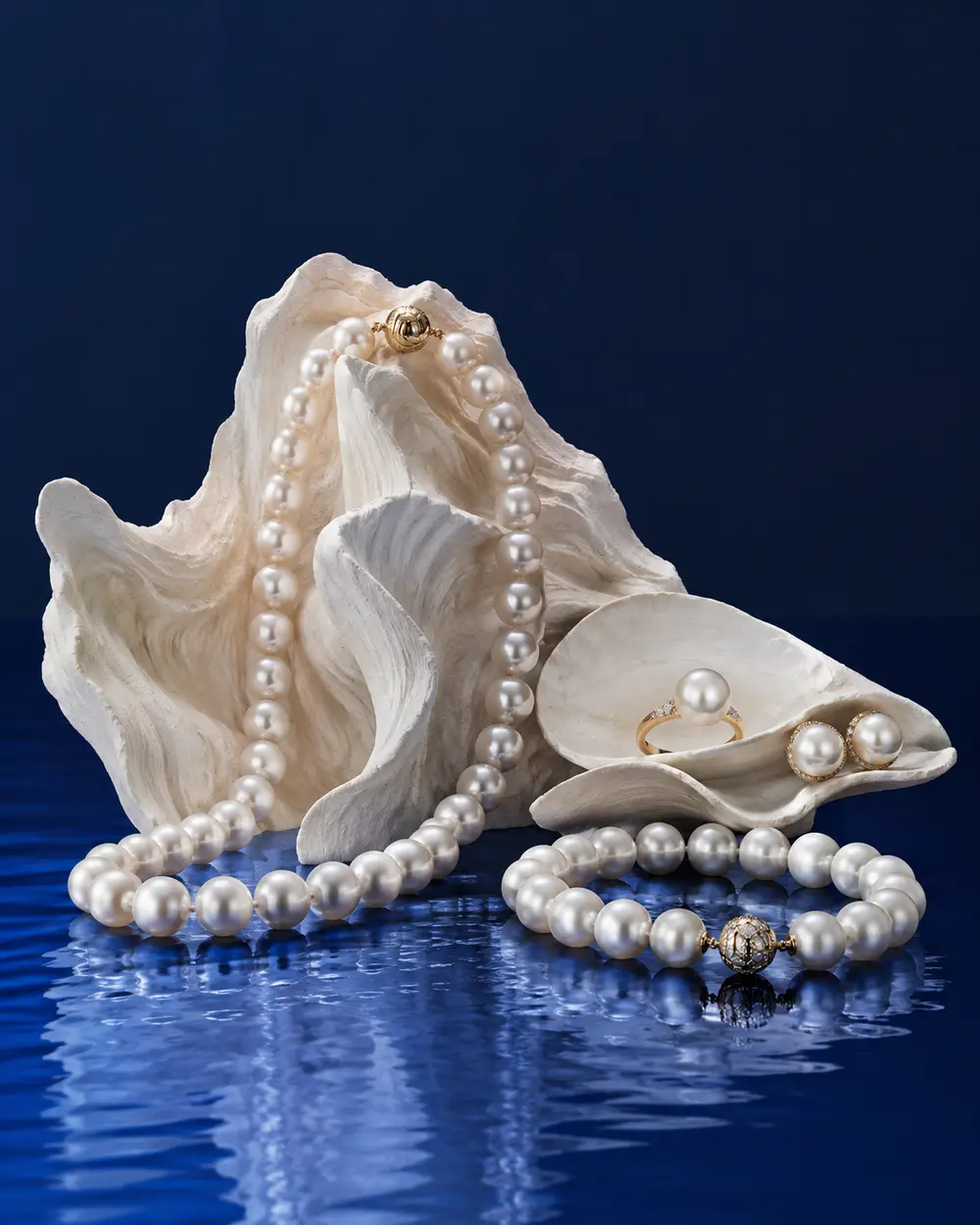
General-information visitor workspace.
Sources, scope and local checks are visible on this page.
What you leave with
Understand what an origin can explain about pearl family and cultivation without using geography as proof of quality or ethics.
Evidence reviewed 8 August 2026Use the atlas
Move across the four decision areas, then use the source and local-check sections to test the choice before acting.
Often associated with akoya cultivation and highly matched classic strands. Verify the pearl description, not only the styling.
Known for naturally dark cultured pearls with varied overtones. Colour language should remain descriptive rather than absolute.
South Sea production is associated with larger pearls and demanding marine conditions. Farm and treatment details still matter.
A major and diverse freshwater pearl landscape, ranging from accessible pieces to carefully selected fine jewellery.
Reference starting points
Five practical records selected for this page. Each one leads to the organisation, issuer, authority or business responsible for the information—not a copied listing.
Independently selected · No paid placement · Reference date 8 August 2026Japan
Japan is a recognised centre of akoya cultivation and pearl-industry history.
Use origin to understand tradition, then judge the actual pearl separately.
French Polynesia
French Polynesia is the recognised home of Tahitian cultured pearl production.
Confirm whether origin is documented rather than inferred from colour.
Australia
Broome is closely connected with Australia’s South Sea pearling history and industry.
Separate regional story, farm identity and the quality of the finished piece.
Bahrain
A UNESCO World Heritage property documenting Bahrain’s historic island pearling economy.
Visit for cultural context; do not read heritage status as a product guarantee.
China
China is a major source of freshwater cultured pearls with wide production diversity.
Ask for pearl type, treatments and seller evidence rather than relying on country shorthand.
Mooney Mooney, New South Wales, Australia
A working east-coast Akoya pearl farm with guided farm and grading experiences on the lower Hawkesbury.
Use it to connect an Australian Akoya origin question with a named farm, place and first-party visit source.
A listing confirms a useful official starting point—not a recommendation, test result or guarantee. Availability, prices, access, certification and operating status can change; recheck the linked source before booking, buying or travelling.
Evidence behind this page
Verify whether the origin is documented, declared by the supplier or merely inferred from appearance.
Terminology standard · International jewellery trade
International terminology for natural, cultured, composite and imitation pearls, treatments and descriptions.
↗02Laboratory method · Global gemmological reference
What a laboratory can observe, test and document—and what a seller's story cannot establish by itself.
↗03Responsible-sourcing framework · International jewellery trade
Questions for examining provenance and responsible-sourcing claims across the jewellery supply chain.
↗International pearl terminology and laboratory practice are used to separate identification from provenance and marketing narrative.
Sources inform the framework; they do not endorse Eight June, a seller, product, destination or venue.
A simple way through
Identify the pearl family.
Ask whether origin is documented or inferred.
Compare the actual pearl before paying for geography.
Go deeper with Ask Blue
Use these articles for the fuller explanation, examples and context. The utility above remains the practical decision layer.
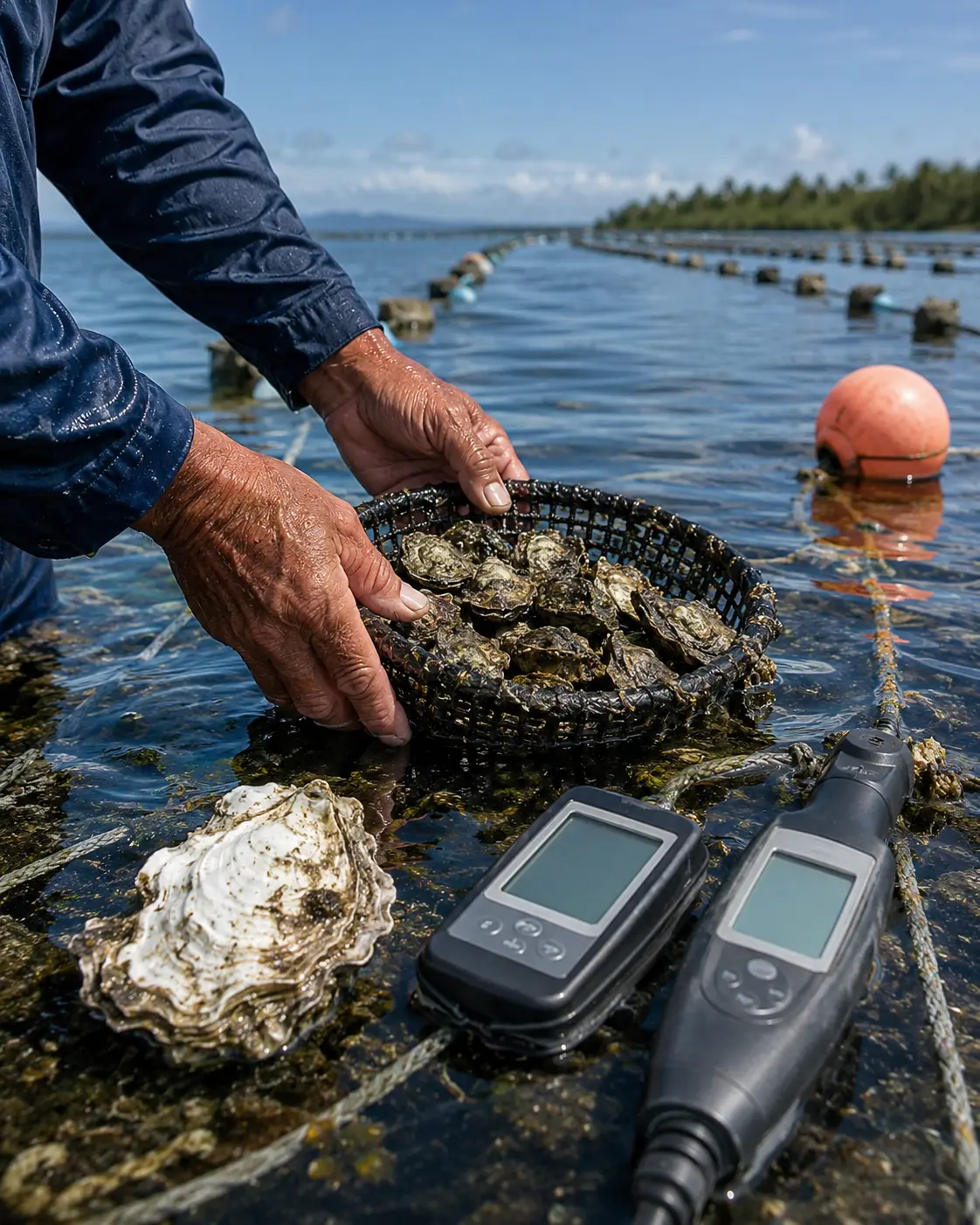
The patient work behind cultured pearls and the environmental questions arriving at the farm.
Read in Ask Blue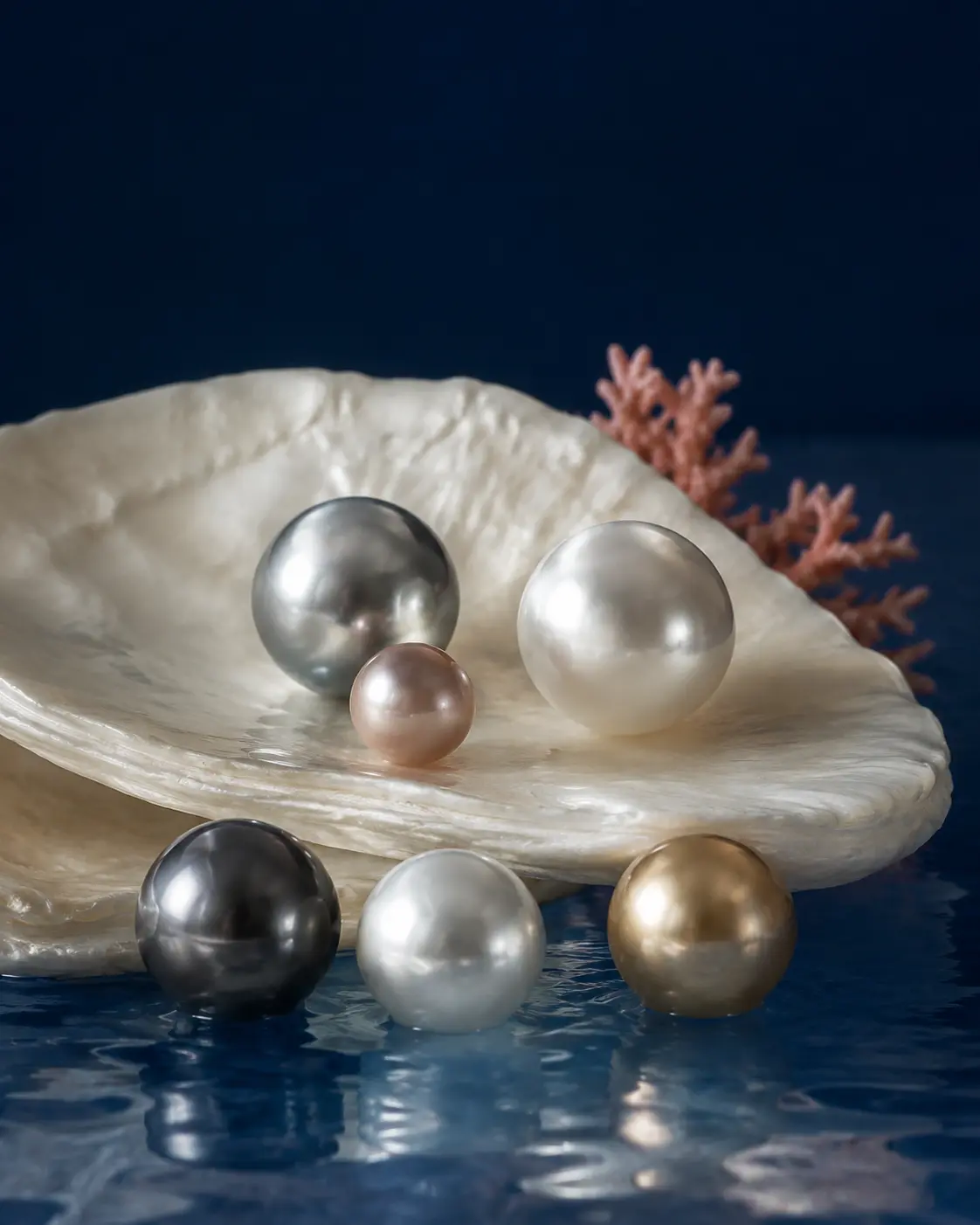
A clear look at lustre, surface, nacre and the details that shape what the eye sees.
Read in Ask Blue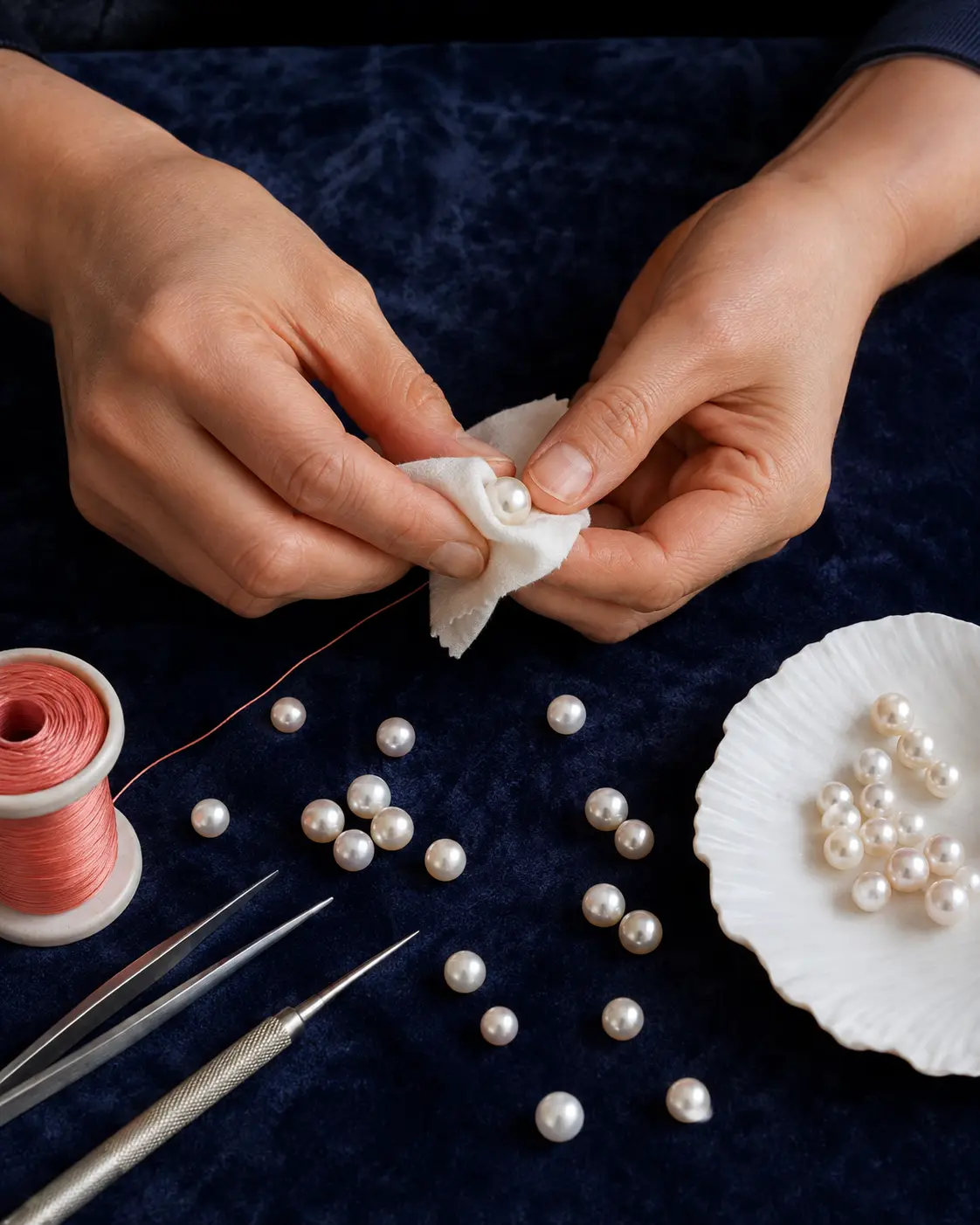
The people, judgement and patient work between cultivation and the finished piece.
Read in Ask Blue