Water and landscape
Estuary, reef, open coast, river delta and island conditions shape ingredients and access differently.
EJ Table · atlas
Explore coastal foodways through place, technique and context.
Travel through coastal food by technique, staple, souring, preservation and history—not by reducing a region to one famous dish.
Use this page
General-information visitor workspace.
Sources, scope and local checks are visible on this page.
What you leave with
Explore a coastal cuisine through water, staples, technique, preservation and community—not through one famous dish or ranking.
Evidence reviewed 8 August 2026Use the atlas
Move across the four decision areas, then use the source and local-check sections to test the choice before acting.
Estuary, reef, open coast, river delta and island conditions shape ingredients and access differently.
Grains, roots, fermentation, drying, smoking and pickling reveal how households manage season and distance.
Spices, techniques and names can carry layered histories that deserve explanation rather than claims of purity.
Restaurants may reinterpret form while keeping—or losing—the technique and context that made the dish meaningful.
Reference starting points
Five practical records selected for this page. Each one leads to the organisation, issuer, authority or business responsible for the information—not a copied listing.
Independently selected · No paid placement · Reference date 8 August 2026Croatia · Cyprus · Greece · Italy · Morocco · Portugal · Spain
UNESCO documents a shared system of knowledge, rituals, food production and communal eating.
Explore local variations rather than treating it as a universal restaurant menu.
Japan
A UNESCO-listed set of dietary practices and knowledge, notably associated with New Year.
Use the record to understand season, balance and social practice beyond individual dishes.
Peru
UNESCO recognises practices and meanings surrounding preparation and consumption of ceviche.
Ask how species, citrus, chilli and accompaniments vary by coast and community.
Algeria · Mauritania · Morocco · Tunisia
A multinational UNESCO inscription covering production, preparation and consumption knowledge.
Look for household and regional technique instead of one standardised version.
Singapore
UNESCO documents hawker centres as community dining spaces with diverse food knowledge.
Use official hygiene grades and current stall information when planning a visit.
A listing confirms a useful official starting point—not a recommendation, test result or guarantee. Availability, prices, access, certification and operating status can change; recheck the linked source before booking, buying or travelling.
Evidence behind this page
Confirm that a named tradition, producer visit or heritage claim is current and welcomed by the community concerned.
UN cultural register · Global
A community-centred starting point for foodways, skills and living traditions without treating a list as a restaurant ranking.
↗02UN tourism guidance · Global
How food experiences connect visitors with products, producers, activities, heritage and place.
↗03UN flagship evidence · Global
The global production, trade, nutrition and sustainability context behind seafood choices.
↗UNESCO's community-centred heritage framework is paired with UN Tourism's gastronomy context and FAO's aquatic-food evidence.
Sources inform the framework; they do not endorse Eight June, a seller, product, destination or venue.
A simple way through
Choose a coast or community.
Learn one technique before one restaurant.
Compare the dish with its place still visible.
Go deeper with Ask Blue
Use these articles for the fuller explanation, examples and context. The utility above remains the practical decision layer.
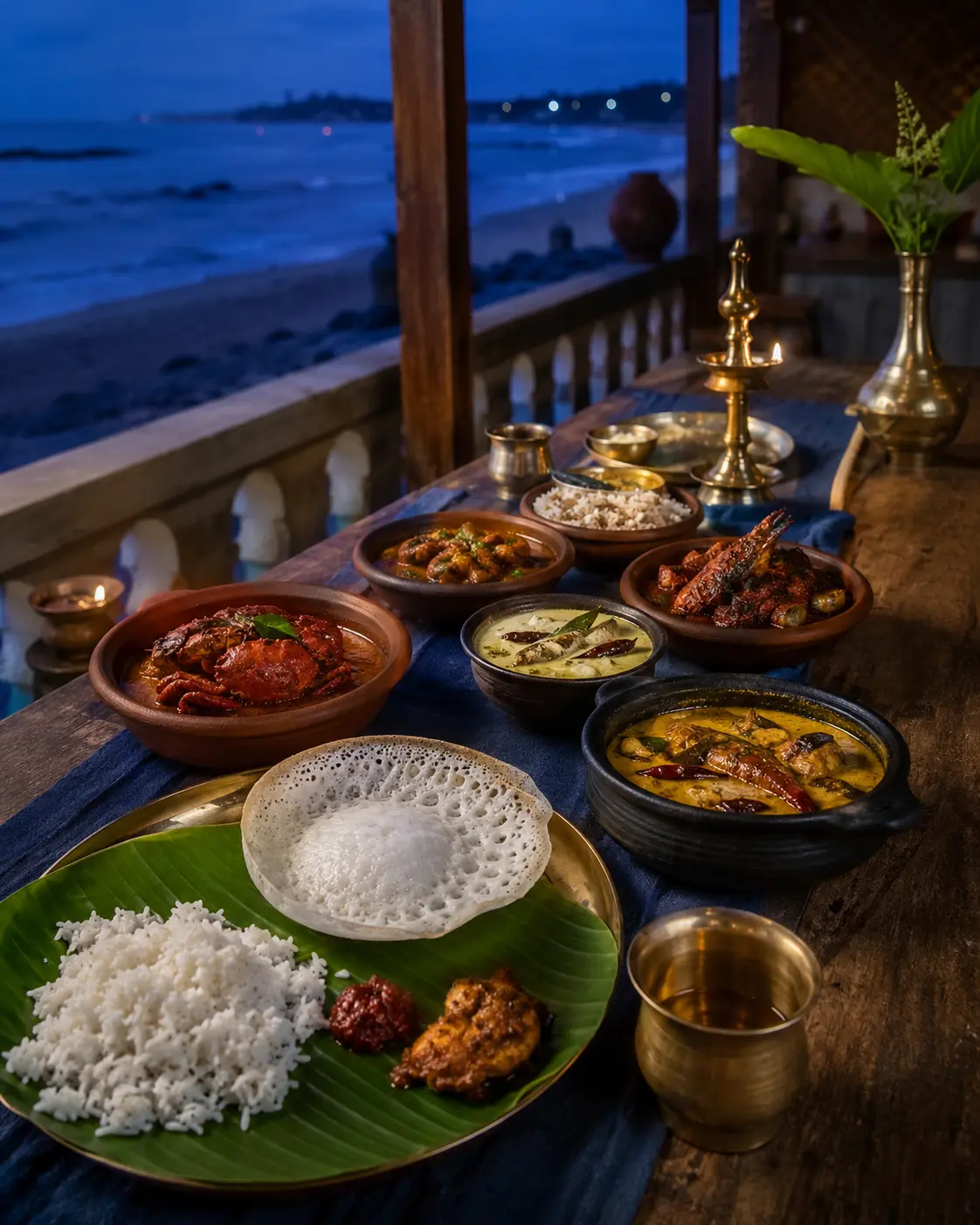
A route across oceans, techniques, markets and tables—without pretending one coast tastes like another.
Read in Ask Blue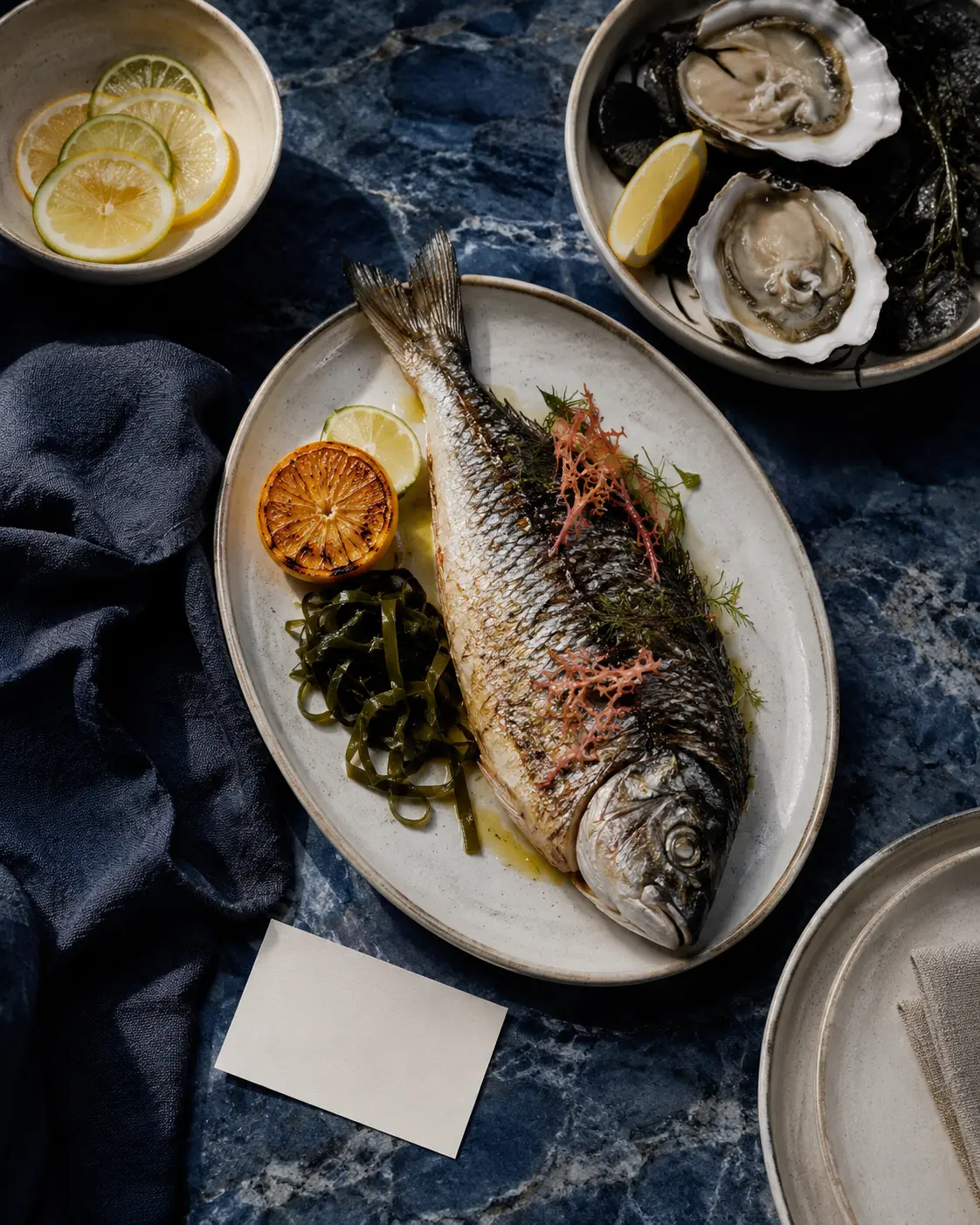
Traceability, freshness, regional identity and the questions influencing menus now.
Read in Ask Blue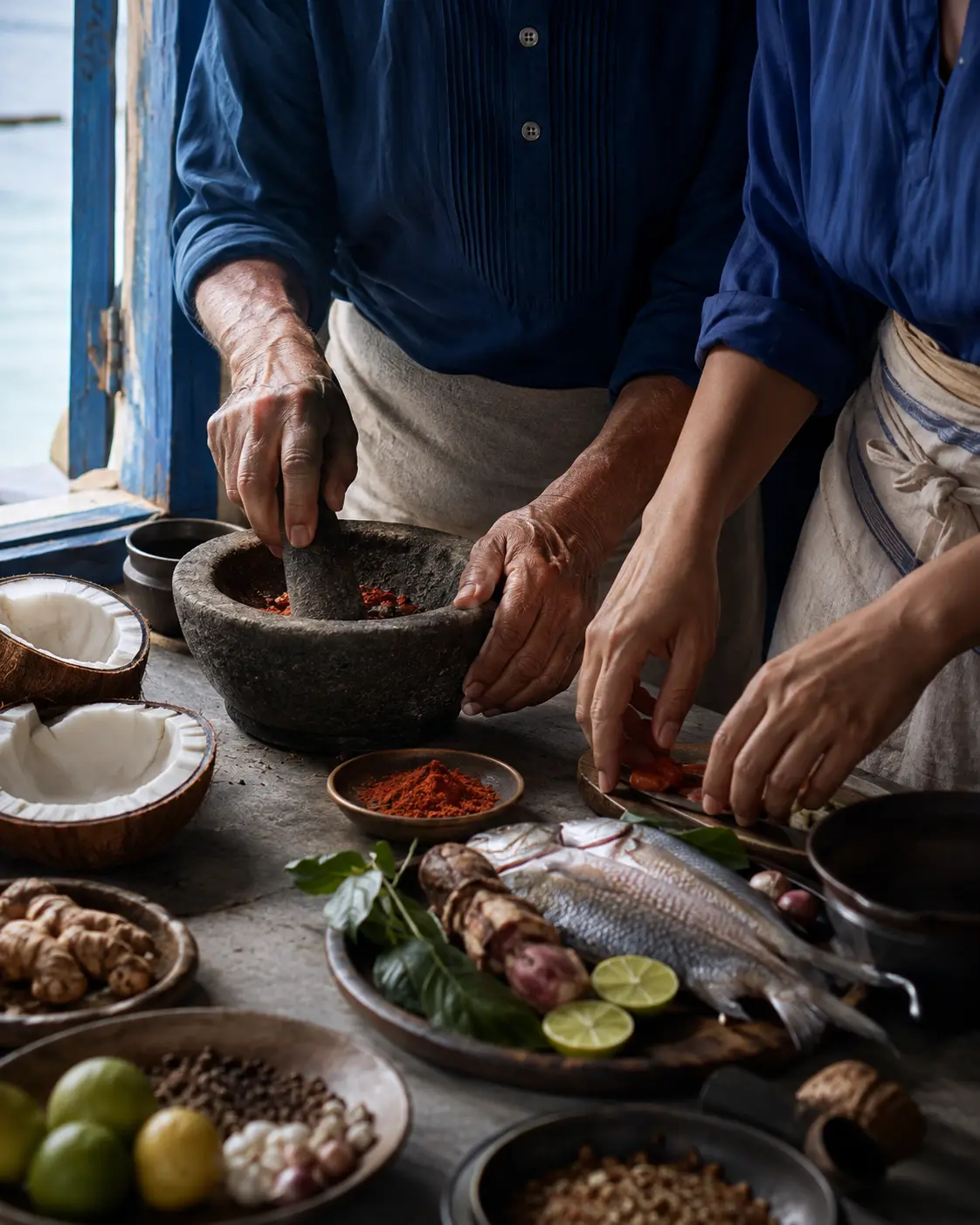
Memory, technique, ingredients and the everyday work behind living food traditions.
Read in Ask Blue