Core preparation
Grilled, raw, cured, fermented, fried, steamed or stewed changes texture and risk more than a poetic menu title.
EJ Table · library
Understand names, ingredients, preparation and meaningful variations.
Use this dictionary to decode a dish before deciding whether it suits your taste, dietary needs or expectations.
Use this page
General-information visitor workspace.
Sources, scope and local checks are visible on this page.
What you leave with
Understand preparation, species, flavour structure and hidden dietary details before ordering an unfamiliar coastal dish.
Evidence reviewed 8 August 2026Use the library
Move across the four decision areas, then use the source and local-check sections to test the choice before acting.
Grilled, raw, cured, fermented, fried, steamed or stewed changes texture and risk more than a poetic menu title.
Ask whether the dish depends on one species or changes with the day’s catch.
Heat, sourness, smoke, coconut, herbs, stock and fermentation help a visitor anticipate the experience.
Broths, sauces, pastes and garnishes can contain allergens or animal products not obvious from the headline.
Reference starting points
Five practical records selected for this page. Each one leads to the organisation, issuer, authority or business responsible for the information—not a copied listing.
Independently selected · No paid placement · Reference date 8 August 2026Peru
Raw fish preparation shaped by species, citrus, chilli, salt, timing and regional accompaniment.
Ask which fish is used today and whether it is prepared to order.
Jeonju · Republic of Korea
Jeonju’s gastronomy profile provides official context for the city’s best-known rice dish and food culture.
Use it to compare local ingredients and presentation without expecting one fixed recipe.
Tokyo · Japan
The official market site provides visitor and market context for seafood sold and served around Toyosu.
Confirm species and preparation instead of ordering by translated colour or texture alone.
Oman
Oman’s official tourism platform introduces national food traditions alongside coastal travel.
Use local names as an opening for ingredients, method and occasion—not as a guarantee of one recipe.
Singapore
Official tourism guidance introduces hawker-centre dishes and dining context.
Check ingredients, allergens and stall opening status directly.
A listing confirms a useful official starting point—not a recommendation, test result or guarantee. Availability, prices, access, certification and operating status can change; recheck the linked source before booking, buying or travelling.
Evidence behind this page
Only the kitchen can confirm today's ingredients, substitutions, allergens, cross-contact and preparation.
UN cultural register · Global
A community-centred starting point for foodways, skills and living traditions without treating a list as a restaurant ranking.
↗02UN tourism guidance · Global
How food experiences connect visitors with products, producers, activities, heritage and place.
↗03Public-health evidence · Global
The shared responsibility for safe handling across production, transport, restaurants and the home.
↗Cultural context is kept separate from safety: UNESCO and UN Tourism support place and tradition; WHO supports the final food-safety check.
Sources inform the framework; they do not endorse Eight June, a seller, product, destination or venue.
A simple way through
Read the preparation.
Ask about today’s species and substitutions.
Confirm allergens and portions before ordering.
Go deeper with Ask Blue
Use these articles for the fuller explanation, examples and context. The utility above remains the practical decision layer.
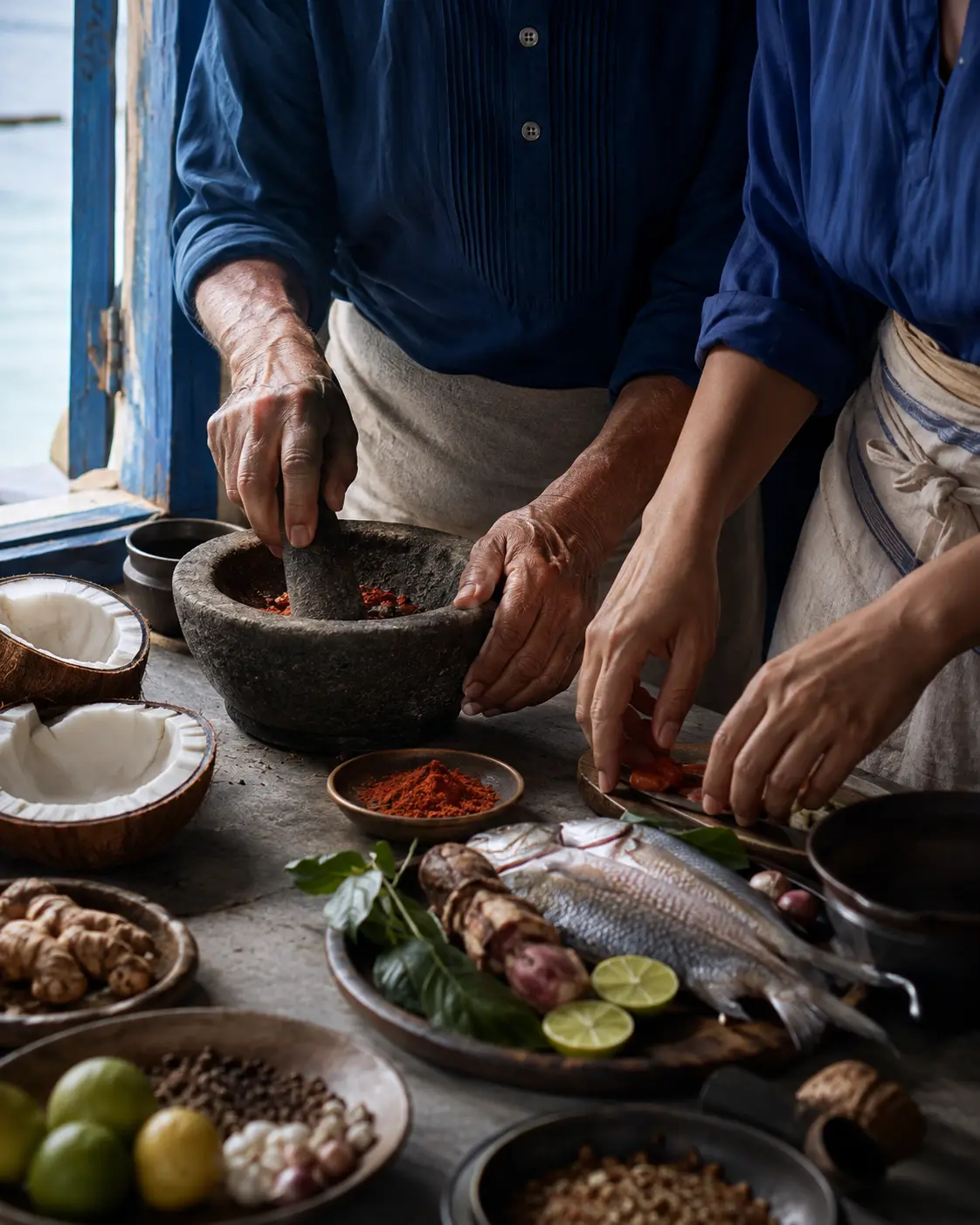
Memory, technique, ingredients and the everyday work behind living food traditions.
Read in Ask Blue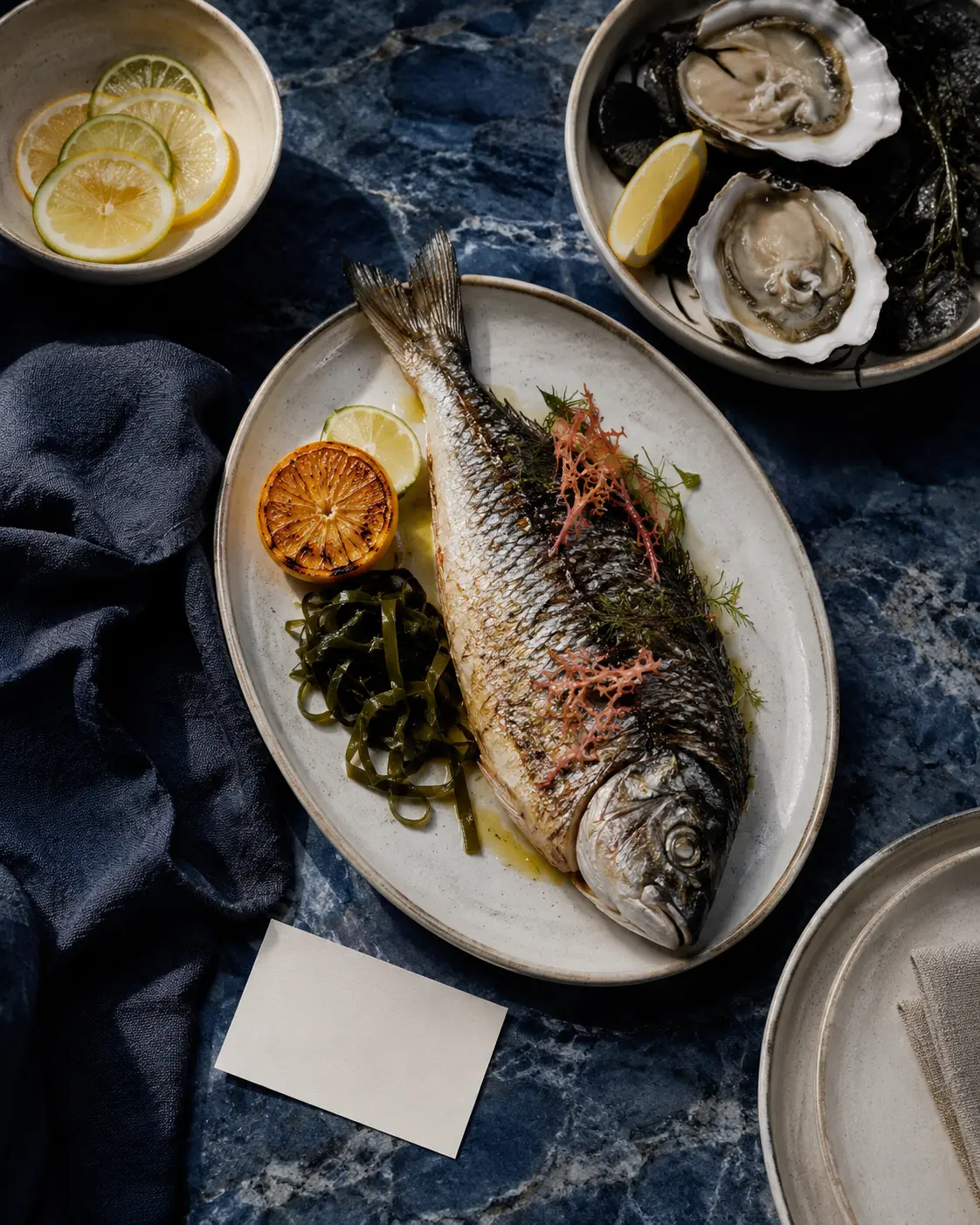
Traceability, freshness, regional identity and the questions influencing menus now.
Read in Ask Blue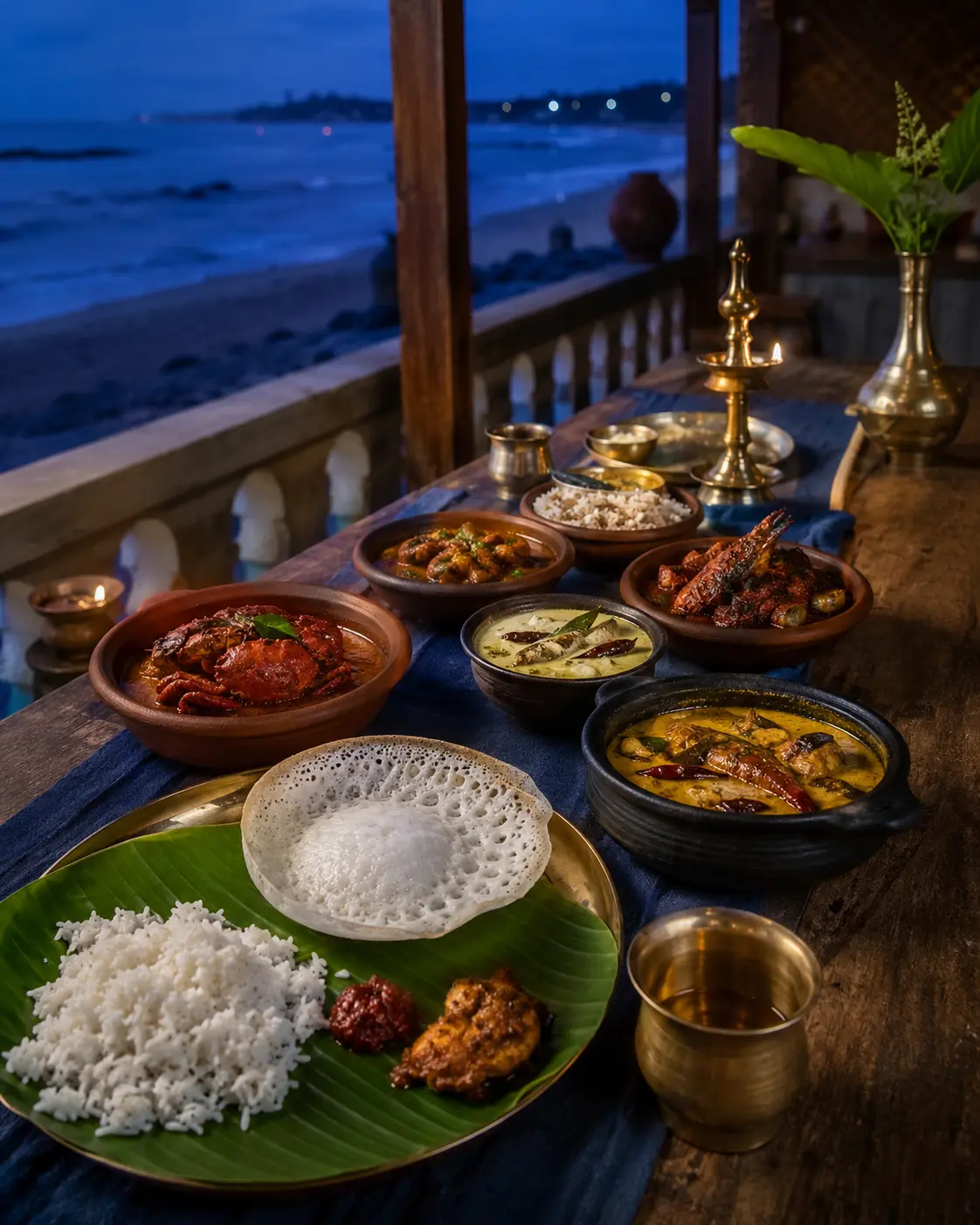
A route across oceans, techniques, markets and tables—without pretending one coast tastes like another.
Read in Ask Blue