Identity and condition
Confirm the species or product, form, smell, texture, packaging and any thawing or treatment information.
EJ Catch · desk
Prepare freshness, quantity, transport and storage decisions.
Bring freshness, quantity, travel time and home storage into one decision. Buying more than you can handle safely is not better value.
Use this page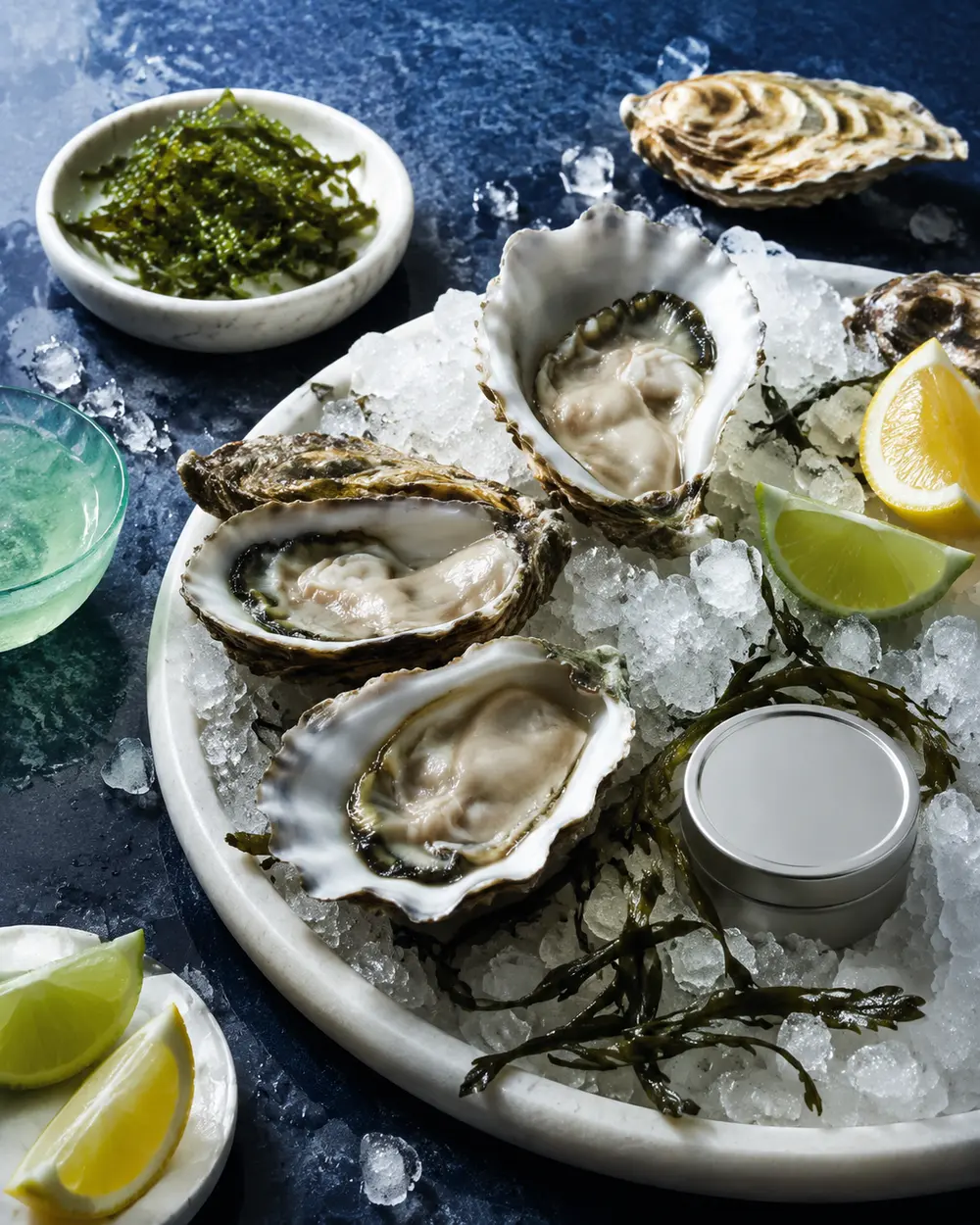
General-information visitor workspace.
Sources, scope and local checks are visible on this page.
What you leave with
Buy an amount you can transport, store and use safely while keeping species identity and product condition clear.
Evidence reviewed 8 August 2026Use the desk
Move across the four decision areas, then use the source and local-check sections to test the choice before acting.
Confirm the species or product, form, smell, texture, packaging and any thawing or treatment information.
Buy for the number of meals, edible yield and realistic preparation time rather than display weight.
Plan insulated transport, travel time and immediate refrigeration or freezing according to official local guidance.
Know what will be cooked first, preserved, frozen or shared before the product leaves the seller.
Reference starting points
Five practical records selected for this page. Each one leads to the organisation, issuer, authority or business responsible for the information—not a copied listing.
Independently selected · No paid placement · Reference date 8 August 2026United States guidance · Broad household use
A government-backed reference for storage times and handling across food categories.
Search the exact seafood form and follow local official advice where it differs.
United States · General consumer use
FDA guidance covering purchase, storage, thawing and preparation.
Use it to plan cold transport and storage before buying.
United Kingdom
Consumer guidance for chilling, freezing and safe food storage.
Apply the shortest relevant time and keep cold-chain interruptions visible.
New South Wales · Australia
Government food-safety information for choosing and handling seafood.
Check local temperature and travel-time advice before a market purchase.
United States fisheries
Species profiles connect source, management, availability and nutrition information.
Use the profile for context, then confirm today’s product with the seller.
United States market · global production sources
Current consumer and business seafood ratings built from published fishery and aquaculture assessment standards.
Use it to ask for species, production method and origin before consulting the current rating; it is a decision aid, not a guarantee about an individual item.
A listing confirms a useful official starting point—not a recommendation, test result or guarantee. Availability, prices, access, certification and operating status can change; recheck the linked source before booking, buying or travelling.
Evidence behind this page
Follow the temperature, allergy, pregnancy and vulnerable-person guidance of your national health or food-safety authority.
Public-health evidence · Global
The shared responsibility for safe handling across production, transport, restaurants and the home.
↗02Intergovernmental code · Global food standards
Good-practice controls for identity, handling, processing, storage and safety across fishery products.
↗03UN flagship evidence · Global
The global production, trade, nutrition and sustainability context behind seafood choices.
↗WHO and Codex supply global safety principles; FAO supplies the identity and value-chain context.
Sources inform the framework; they do not endorse Eight June, a seller, product, destination or venue.
A simple way through
Choose the product and amount.
Prepare transport before purchase.
Label, store and use in a planned order.
Go deeper with Ask Blue
Use these articles for the fuller explanation, examples and context. The utility above remains the practical decision layer.
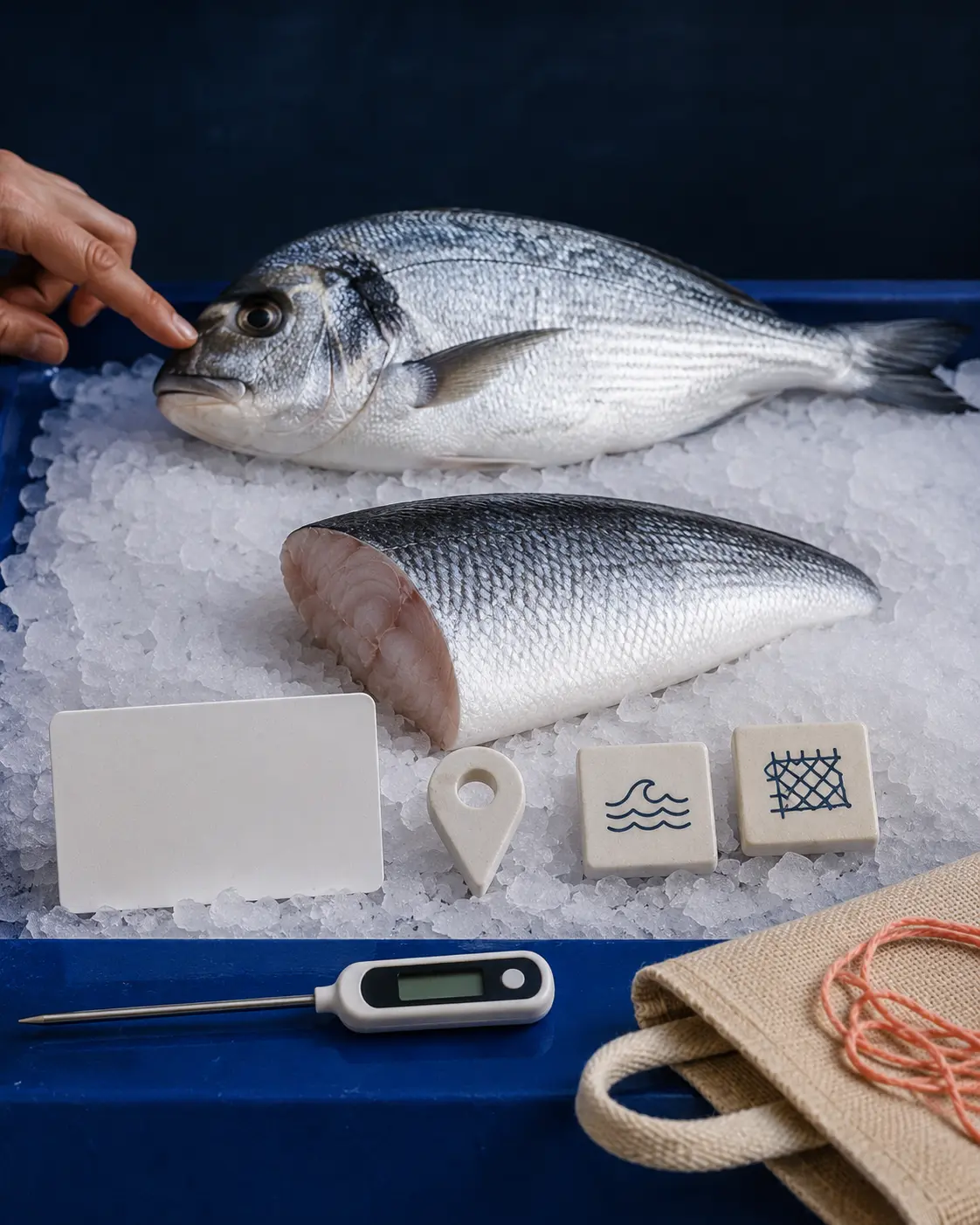
A practical sequence for species, origin, method, certification, freshness and the meal you need.
Read in Ask Blue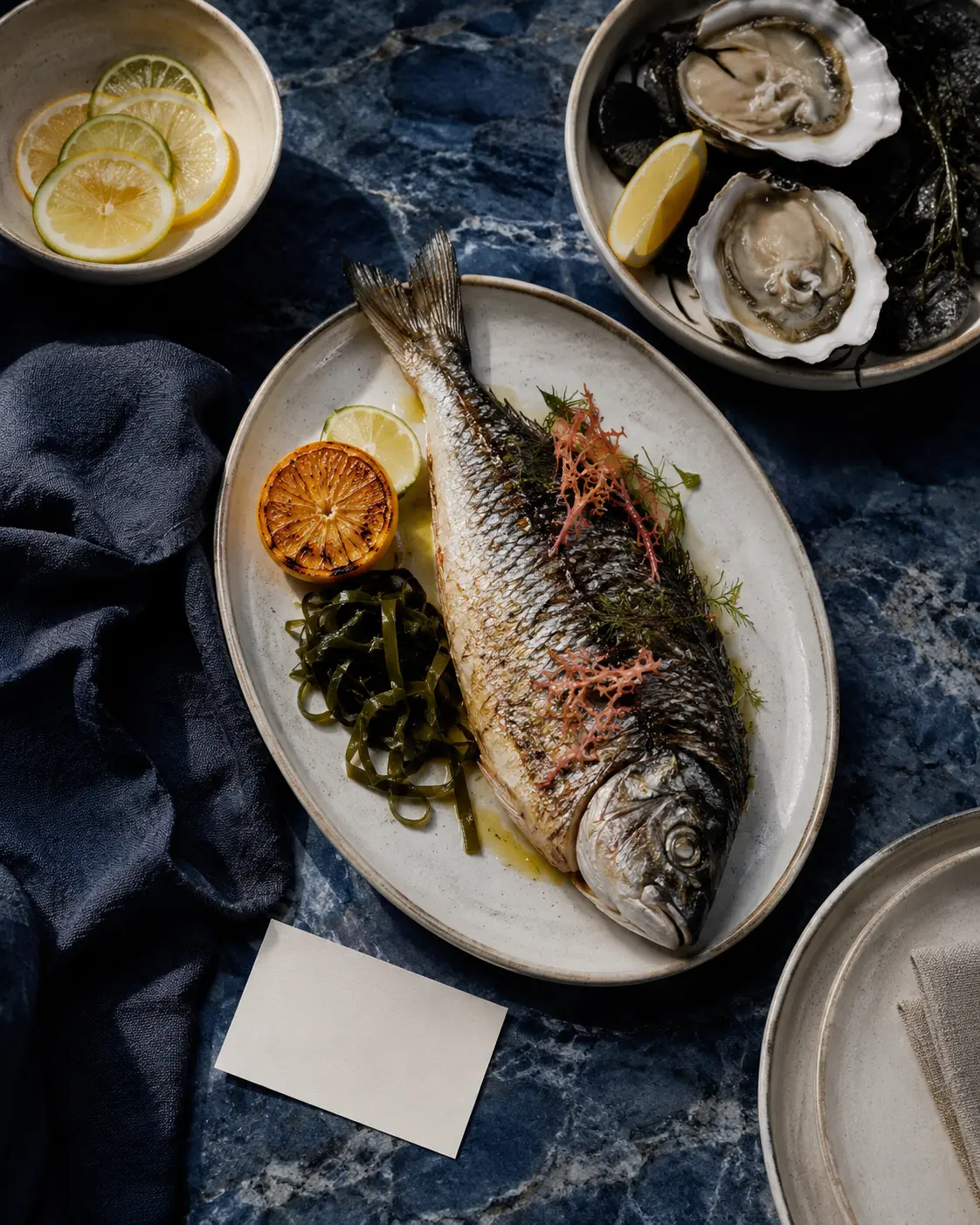
Traceability, freshness, regional identity and the questions influencing menus now.
Read in Ask Blue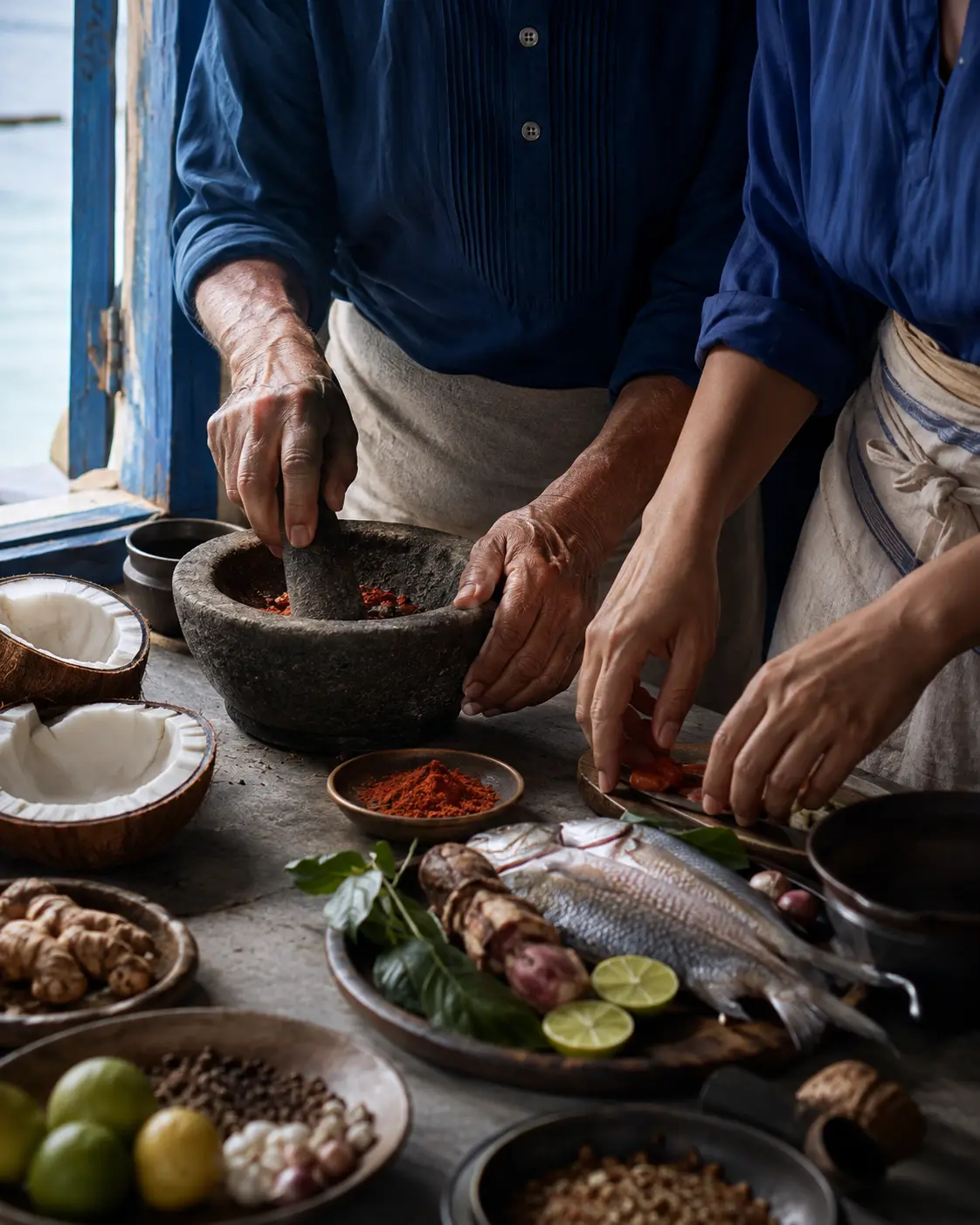
Memory, technique, ingredients and the everyday work behind living food traditions.
Read in Ask Blue